
Waistcoat in Australian Sign Language (Auslan)

The sign for “waistcoat” in Auslan refers to a type of formal clothing that is typically worn over a dress shirt and beneath a suit jacket. It’s commonly used in conversations about fashion, formal events, and dressing up for occasions. Understanding this sign can enhance communication in social situations where attire is discussed.
Table of Contents
How to Sign “Waistcoat”
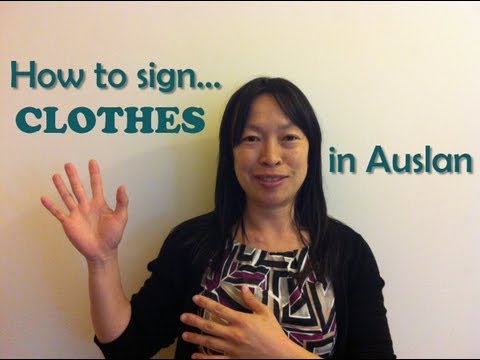
- Start with both hands in a flat “B” handshape (palms facing down).
- Position your hands at the sides of your torso, roughly where your waistcoat would be located.
- Move your hands outward and slightly upward, as if you are pulling the waistcoat away from your body.
- Maintain a neutral facial expression, or add a slight smile to convey a positive context about the clothing.
Common Mistakes
- Some learners may confuse the sign for “waistcoat” with other clothing items, such as a “shirt” or “jacket.” It’s crucial to focus on the specific movement and handshape.
- Not positioning the hands at the correct location on the body can lead to misinterpretation, so ensure you start at the waist area.
- Using a tense facial expression may confuse the meaning; try to keep your expression relaxed and appropriate for the context.
Related Signs
- 1 – The sign for the number one.
- 1 Dollar – The sign for one dollar.
- 10 – The sign for the number ten.
- 100 – The sign for one hundred.
- 12 – The sign for the number twelve.
Using “Waistcoat” in Everyday Conversations
In Auslan, using the sign for “waistcoat” can come up in various contexts, especially when discussing fashion or planning for events. Here are a few example sentences that demonstrate how to incorporate this sign into everyday conversations:
- “I want to wear my waistcoat to the wedding.”
- Sign: “I waistcoat wedding want wear.”
- “He looks sharp in that waistcoat.”
- Sign: “He waistcoat that looks sharp.”
- “Do you think a waistcoat is appropriate for the party?”
- Sign: “You waistcoat party think appropriate?”
These examples highlight situations where discussing clothing choices is common, such as at events like weddings or parties.
Cultural Notes
In the Australian Deaf community, fashion can play a significant role in self-expression and identity. The sign for “waistcoat” is not just a representation of an article of clothing, but it can also reflect cultural values around neatness and presentation, especially during formal events. While there are no major dialect variations specific to “waistcoat,” regional differences in signs and slang may arise across northern and southern Australia. For example, some communities might incorporate local fashion trends into their vocabulary, leading to different popular styles being referenced in Auslan.
Tips for Learning This Sign
Practicing the sign for “waistcoat” can be made easier with a few effective techniques:
- Mirror Practice: Stand in front of a mirror to observe your handshape and movement. This helps ensure you’re accurately forming the sign.
- Watch for Non-Manual Features: Pay attention to facial expressions and body language that accompany the sign, as they can enhance the meaning.
- Use in Short Signed Sentences: Practice incorporating “waistcoat” into brief sentences. This not only helps with recall but also with fluency in conversation.
Consistent practice using these strategies can help solidify your understanding and use of the sign in various contexts.
Frequently Asked Questions
How can I use “waistcoat” in a sentence?
You can say, “I wore a waistcoat to the wedding,” signing “I” + “waistcoat” + “wore” + “wedding.”
Are there regional variations for this sign?
While “waistcoat” is generally consistent, some regions may have slight variations in hand movement or facial expressions. Observing local signers can help clarify.
What are similar signs to “waistcoat”?
Similar signs include “jacket” and “vest,” which involve different hand movements and placements to differentiate between clothing items.
How does this sign compare to BSL?
The sign for “waistcoat” in BSL may look different, often involving unique hand shapes and movements. It’s helpful to learn both variants if you’re interacting with both communities.
What teaching tips can help with this sign?
Practice in front of a mirror to see your hand positions and facial expressions. Watching fluent signers can also provide context and improve your skills.
Practice This Sign
Try signing Waistcoat In Auslan with your camera and get AI coaching on your handshape, movement, and location.
Free · No signup required