
Wait in Australian Sign Language (Auslan)
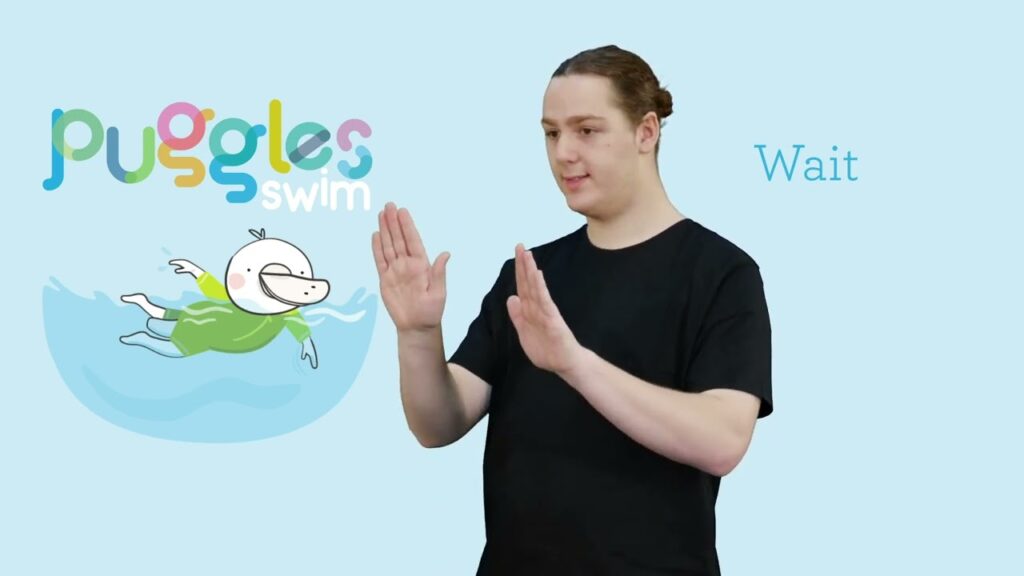
The sign for “wait” in Auslan conveys the idea of pausing or taking a moment before continuing. It’s commonly used in conversations when you need someone to hold on for a bit, whether you’re gathering your thoughts, looking for something, or simply asking for a moment. This sign is essential for clear communication in everyday situations.
Table of Contents
How to Sign “Wait”
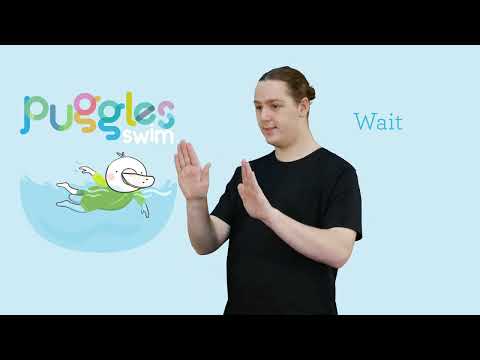
- Start with your dominant hand open and relaxed, fingers extended.
- Position your hand in front of your chest, palm facing inward.
- Bring your hand slightly towards your body while keeping your fingers extended.
- As you move your hand, maintain a neutral or slightly raised eyebrow expression to indicate you are asking someone to wait.
- Hold the hand position for a brief moment before returning to a neutral position.
Common Mistakes
- Forgetting to use facial expressions, which are crucial in Auslan for conveying meaning.
- Using a closed fist instead of an open hand, which changes the sign entirely.
- Moving the hand too quickly or not holding the position long enough to be understood.
Related Signs
- 1 – The sign for the number one.
- 10 – The sign for the number ten.
- 100 – The sign for the number one hundred.
- 11 – The sign for the number eleven.
- 12 – The sign for the number twelve.
Using “Wait” in Everyday Conversations
The sign for “Wait” is commonly used in various situations where patience is required or when you want to ask someone to pause for a moment. Here are a few examples of how it can be used in everyday conversations:
- Example 1: “Wait, I need to grab my bag.” (SIGN: WAIT, I GRAB MY BAG)
- Example 2: “Can you wait a minute? I’m almost done.” (SIGN: CAN YOU WAIT MINUTE, I ALMOST DONE)
- Example 3: “Please wait, the interpreter is coming.” (SIGN: PLEASE WAIT, INTERPRETER COMING)
These examples illustrate how “Wait” can fit naturally into conversations about daily activities, whether you’re asking someone to pause or informing them that something will take a little longer than expected.
Cultural Notes
In the Australian Deaf community, the notion of waiting is often tied to the importance of communication access. For instance, when transitioning between conversations, it is common to use the sign “Wait” to ensure that everyone can engage fully without missing out on information. This reflects the Deaf culture’s emphasis on inclusivity and shared understanding.
While the sign for “Wait” is generally consistent across Australia, some regional variations may exist. For example, in northern regions, the sign might be accompanied by a more pronounced facial expression to convey urgency, while in southern areas, the emphasis might be more relaxed. Understanding these subtle differences can enhance communication and connection within the community.
Tips for Learning This Sign
Practicing the sign for “Wait” can be both fun and effective. Here are some concrete ways to help you remember and master it:
- Mirror Practice: Use a mirror to watch your hand movements and facial expressions as you practice the sign. This will help ensure you are accurately mimicking the sign.
- Focus on Non-Manual Features: Pay attention to your facial expressions and body language while signing “Wait.” Non-manual features can add context and emotion to your message.
- Incorporate into Conversations: Use “Wait” in short signed sentences during practice with a partner. The more you use it in context, the more natural it will feel.
By actively incorporating these tips into your learning routine, you will find it easier to remember and use the sign for “Wait” fluently in your conversations.
Frequently Asked Questions
Can I use “wait” in a full sentence?
Yes! You can say “wait a moment” by adding the sign for “moment” after “wait” to clarify your request.
Are there regional variations of this sign?
Some regions may have slight variations in hand shape or movement, but the core concept remains the same.
What are some similar signs to “wait”?
Similar signs include “pause” and “stop,” which convey related concepts of holding on or delaying action.
How does this sign compare to BSL?
While the sign for “wait” may look different in BSL, the meaning is similar. It’s important to learn each sign system’s unique characteristics.
Any tips for teaching this sign?
Encourage learners to focus on facial expressions and practice in pairs to enhance understanding of its context and usage.
Can children learn this sign easily?
Yes! Children often pick up signs quickly, especially when taught through fun activities and games.
Practice This Sign
Try signing Wait In Auslan with your camera and get AI coaching on your handshape, movement, and location.
Free · No signup required