
Waistline in Australian Sign Language (Auslan)

The sign for “waistline in Auslan” refers to the natural line around the middle of the body, typically where the waist is located. It’s often used in discussions about clothing, fashion, or body measurements. Understanding this sign can enhance communication in various contexts, including shopping or fitness conversations.
Table of Contents
How to Sign “Waistline”
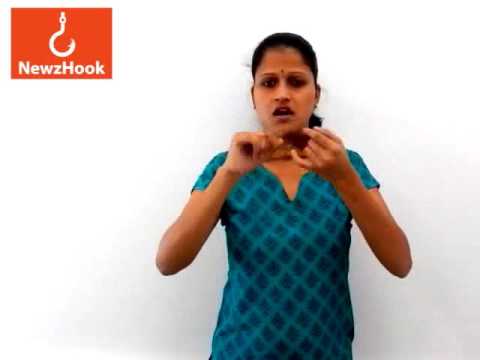
- Start with both hands in front of your body, palms facing down.
- Form a flat handshape (like a “B” handshape) with both hands.
- Position your hands at the level of your waist, roughly hip-width apart.
- Move your hands inward slightly, as if outlining the shape of your waist.
- Maintain a neutral facial expression, or you can add a slight smile to convey a friendly tone.
Common Mistakes
- Using the wrong handshape—ensure your hands are flat and not in a fist.
- Placing hands too high or too low—make sure they are at waist level.
- Not moving hands inward enough to clearly indicate the waistline.
Related Signs
- 1 – The sign for the number one.
- 1 Dollar – A sign for currency.
- 10 – The sign for the number ten.
- 100 – The sign for the number one hundred.
- 11 – The sign for the number eleven.
Using “Waistline” in Everyday Conversations
In Auslan, the sign for “waistline” can be integrated into various everyday conversations, especially those related to fashion, body awareness, or physical activities. Here are a few example sentences that show how to use this sign naturally:
- Fashion context: “I bought a dress that fits perfectly at my waistline.” (Dress waistline fit perfect)
- Fitness discussion: “I want to tone my waistline for summer.” (I want tone my waistline for summer)
- Health talk: “Maintaining a healthy waistline is important.” (Healthy waistline maintain important)
These examples demonstrate how the sign can fit into conversations about personal style, health goals, or fitness aspirations, making it a versatile part of Auslan vocabulary.
Cultural Notes
The concept of “waistline” in the Australian Deaf community often ties into discussions about body positivity and self-image. Many Deaf Australians advocate for embracing diverse body shapes and sizes, and the sign can be used in contexts that promote healthy attitudes towards body image. Additionally, it’s worth noting that while the sign for “waistline” is widely understood across the community, there may be slight variations in the sign’s execution or accompanying facial expressions between northern and southern dialects. Being aware of these local nuances can enhance communication and foster connections with Deaf individuals from different regions.
Tips for Learning This Sign
Practicing the sign for “waistline” can be enjoyable and effective if you incorporate a few techniques into your learning routine:
- Mirror practice: Use a mirror to observe your handshape and movement. This helps ensure that your form is accurate and allows you to see how your body aligns with the sign.
- Watch for non-manual features: Pay attention to facial expressions and body posture while signing. These non-manual features add meaning and context to your signs, making them more expressive.
- Use it in sentences: Create short signed sentences incorporating “waistline” to reinforce your memory. For example, practice saying “My waistline is smaller” in different contexts, such as discussing clothing or health.
By engaging with these methods, you can strengthen your understanding and use of the sign for “waistline” in a meaningful way.
Frequently Asked Questions
How can I use “waistline” in a sentence?
You could say, “My waistline is smaller than it used to be,” signing “waistline” to emphasize the measurement.
Are there regional variations for this sign?
While “waistline” is generally consistent, some regions may have slight variations in handshape or movement.
What are some similar signs?
Similar signs include “hip” and “belt.” Each sign emphasizes different parts of the body related to waistline discussion.
How does this sign compare to British Sign Language (BSL)?
The sign for “waistline” may differ in BSL. It’s useful to learn both if you are communicating with a diverse audience.
Do you have any tips for teaching this sign?
Model the sign clearly and encourage students to practice in pairs, focusing on hand placement and movement.
Can “waistline” be used in fashion contexts?
Absolutely! It’s a common term when discussing clothing fit, styles, or body shapes in fashion.
Practice This Sign
Try signing Waistline In Auslan with your camera and get AI coaching on your handshape, movement, and location.
Free · No signup required