
Vector in Australian Sign Language (Auslan)
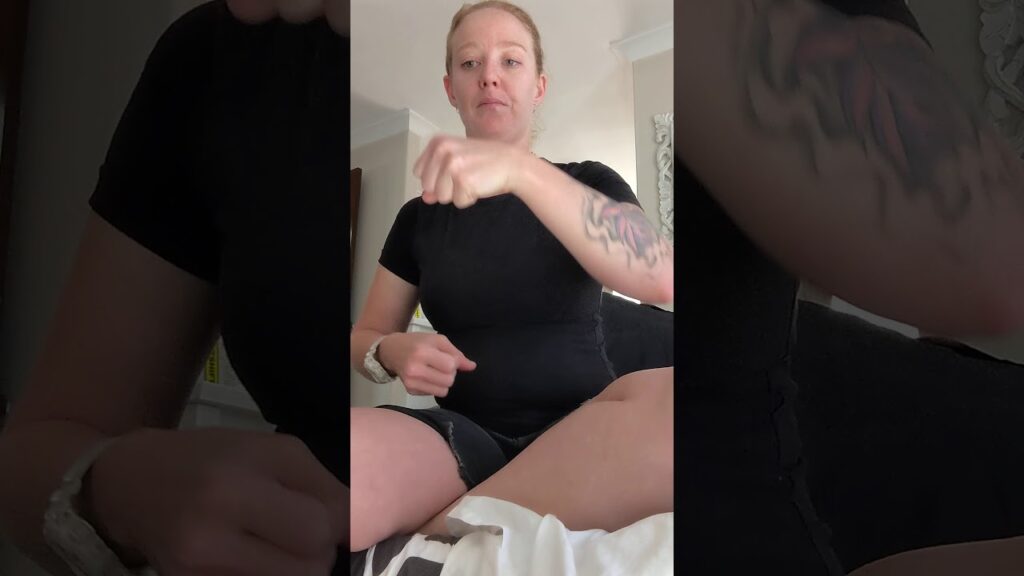
Representing the concept of direction and magnitude, “vector” in Auslan is often utilized in mathematical, scientific, and engineering contexts. It proves particularly beneficial in educational environments, especially during discussions related to physics or mathematics.
Table of Contents
How to Sign “Vector”
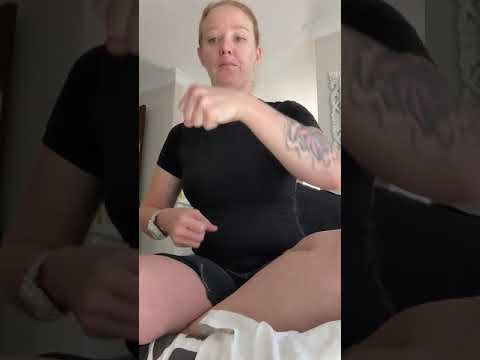
- Start with your dominant hand in a flat ‘B’ handshape (palm facing down).
- Position your hand in front of your body at about waist level.
- Move your hand in a straight line to the right while maintaining the flat handshape.
- As you move your hand, slightly tilt your head in the direction of the movement to indicate the direction of the vector.
- End the movement with a slight pause, maintaining eye contact to emphasize the direction.
Common Mistakes
- Not using a clear flat handshape, which can lead to confusion with other signs.
- Moving the hand too quickly, making it difficult for viewers to understand the direction and meaning.
- Neglecting facial expressions, which are important for conveying the significance of the vector’s direction.
Related Signs
- 1 – The sign for the number one.
- 10 – The sign for the number ten.
- 100 – The sign for the number one hundred.
- 11 – The sign for the number eleven.
- 12 – The sign for the number twelve.
Using “Vector” in Everyday Conversations
The sign “Vector” can be integrated into various discussions, especially those related to science, mathematics, and technology. Here are some example sentences that demonstrate how you might use this sign in context:
- “I learned about vector forces in physics class.” (Auslan sign order: “Physics class I learn vector forces.”)
- “Can you show me the vector diagram for this problem?” (Auslan sign order: “This problem vector diagram show me can?”)
- “Vectors are important in computer graphics.” (Auslan sign order: “Computer graphics important are vectors.”)
These examples highlight situations where the term might come up naturally, particularly in educational settings or discussions about technology and science.
Cultural Notes
In the Australian Deaf community, the use of the sign “Vector” often reflects a strong emphasis on education and access to knowledge in science and technology fields. The Deaf community values clear communication, especially in academic discussions where precision is crucial. Additionally, while Auslan is relatively uniform across Australia, some regional variations might exist in how “Vector” is signed or contextualized. Northern dialects may sometimes incorporate localized signs or gestures that reflect a particular cultural nuance, while southern dialects might have variations influenced by local educational institutions.
Tips for Learning This Sign
To effectively learn and remember the sign “Vector,” consider these practical strategies:
- Mirror Practice: Use a mirror to practice your signing. This helps you see your handshape and movements clearly, ensuring they match the correct sign.
- Focus on Non-Manual Features: Pay attention to facial expressions and body language while signing. These non-manual features can enhance the meaning of “Vector” and help you convey the concept more effectively.
- Use in Short Sentences: Incorporate “Vector” in simple, everyday sentences. Regularly using the sign in context will reinforce your memory and help you become more fluent.
Consistent practice in a supportive environment will boost your confidence and proficiency in using this sign.
Frequently Asked Questions
How can I use “vector” in a sentence?
You might say, “The vector points to the right,” by signing “VECTOR” and then using your hand to indicate the direction.
Are there any regional variations for this sign?
While “vector” is generally consistent, some regions may emphasize the movement differently. It’s best to observe native signers in your area.
Are there similar signs in ASL?
Yes, signs like “direction” and “magnitude” relate to the concept of vectors and can be useful in similar contexts.
How does this sign compare to BSL?
In BSL, the sign for “vector” may differ significantly, showing the importance of learning the specific sign language of your community.
What tips do you have for teaching this sign?
Encourage students to practice the movement slowly and emphasize the importance of facial expressions to convey meaning.
When is this sign most commonly used?
This sign is often used in classrooms, scientific discussions, and when explaining mathematical concepts related to vectors.
Practice This Sign
Try signing Vector In Auslan with your camera and get AI coaching on your handshape, movement, and location.
Free · No signup required