
Vega in Australian Sign Language (Auslan)
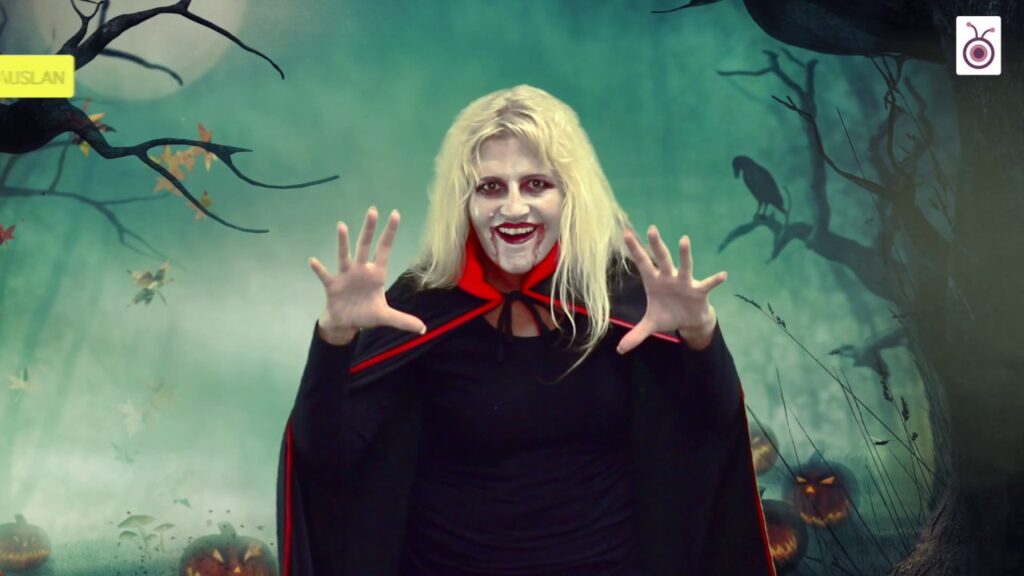
The sign for “Vega” in Auslan refers to the brightest star in the constellation Lyra, often used in discussions about astronomy or when talking about stars in general. This sign is particularly useful in educational settings or casual conversations among those interested in astrology or stargazing.
Table of Contents
How to Sign “Vega”

- Start with your dominant hand in a flat “V” shape, with the index and middle fingers extended and separated.
- Position your hand at about eye level, facing outward.
- Move your hand slightly in a circular motion to represent the star’s twinkling effect.
- Maintain a neutral facial expression or add a slight smile to convey a sense of wonder about the star.
Common Mistakes
- Some learners might forget to use the “V” handshape, opting for a flat hand instead, which alters the meaning.
- Not incorporating enough movement can result in a sign that feels static and less expressive.
- Facial expressions may be overlooked, leading to a lack of emotional connection in the sign.
Related Signs
- 1 – Represents the number one, often used in counting.
- 10 – Sign for the number ten, useful in various contexts.
- 100 – Represents the number one hundred, frequently used in mathematics.
- 12 – Sign for the number twelve, can be used in various counting scenarios.
- 13 – Represents the number thirteen, great for discussing age or quantities.
Using “Vega” in Everyday Conversations
The sign “Vega” can be integrated into various everyday conversations, especially when discussing astronomy, science, or personal interests in stars and constellations. Here are a few example sentences:
- Example 1: “I love to gaze at Vega at night.”
(Sign: “I love” + “gaze” + “Vega” + “night”) - Example 2: “Did you see the news about Vega being the brightest star?”
(Sign: “You see” + “news” + “about” + “Vega” + “brightest star”) - Example 3: “Vega is part of the Lyra constellation.”
(Sign: “Vega” + “part” + “Lyra” + “constellation”)
These examples highlight how the sign “Vega” naturally fits into discussions about astronomy, personal hobbies, or educational topics. Using the sign in context helps reinforce understanding and retention.
Cultural Notes
The name “Vega” holds significance within the Australian Deaf community, particularly among those interested in astronomy or science. The appreciation for celestial bodies is often reflected in community events, such as star-gazing nights or educational workshops about space. Additionally, the sign “Vega” may be used differently in northern and southern dialects, with variations in speed or emphasis. While the core sign remains the same, it’s beneficial to observe local Deaf communities to appreciate these subtleties.
Tips for Learning This Sign
Practicing the sign “Vega” effectively can enhance your signing skills. Here are some practical tips:
- Mirror Practice: Use a mirror to observe your hand shape and movements while signing “Vega.” This helps ensure accuracy and builds muscle memory.
- Watch for Non-Manual Features: Pay attention to facial expressions and body language when signing. These non-manual features can convey additional meaning and context.
- Use in Short Sentences: Incorporate “Vega” into simple sentences during practice sessions. This will help you become comfortable with its use in conversation and improve your fluency.
Consistent practice with these methods will help solidify your understanding and use of the sign “Vega” in everyday situations.
Frequently Asked Questions
Can you use “Vega” in a sentence?
Yes! You might say, “Tonight, I want to look for Vega in the sky.”
Are there regional variations in signing “Vega”?
While the sign is generally consistent, some regions may have slight variations in movement or handshape.
What is a similar sign to “Vega”?
The sign for “star” shares some similarities in handshape but is generally less specific.
How does this sign compare to BSL?
In BSL, the sign for “star” may differ significantly and does not have a direct equivalent for “Vega.”
What are some teaching tips for “Vega”?
Practice the sign in context, encourage students to use facial expressions, and incorporate group activities for reinforcement.
Practice This Sign
Try signing Vega In Auslan with your camera and get AI coaching on your handshape, movement, and location.
Free · No signup required