
Vaporization in Australian Sign Language (Auslan)
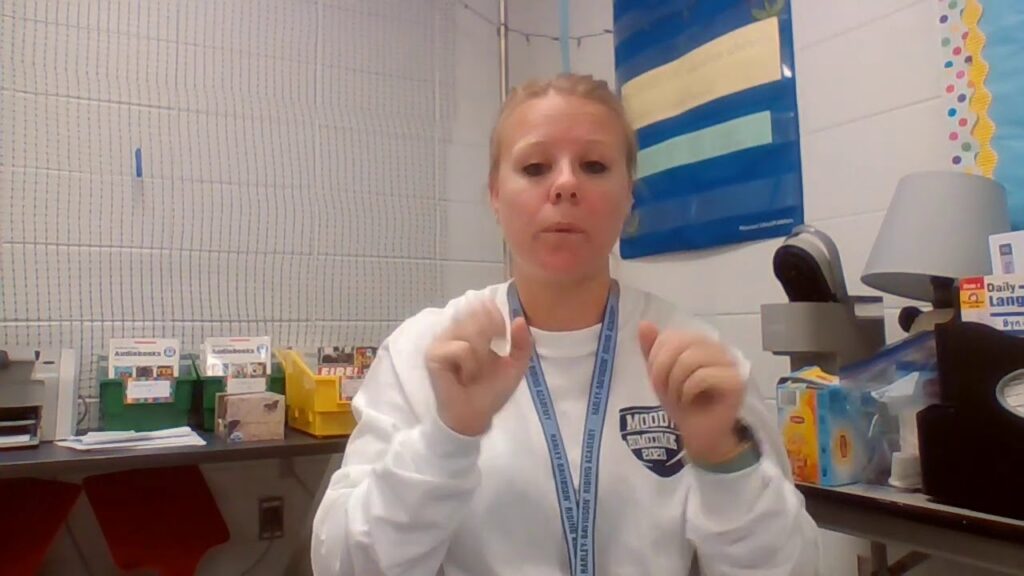
The sign for “vaporization” in Auslan represents the process of turning a liquid into vapor, often used in scientific contexts or discussions about substances. This sign can be particularly useful in educational settings or conversations about chemistry and environmental topics.
Table of Contents
How to Sign “Vaporization”

- Start by using your dominant hand to form the letter ‘V’ (index and middle fingers extended, others tucked in).
- Position your ‘V’ hand in front of your mouth, palm facing towards you.
- Move your ‘V’ hand slightly away from your face and upward, as if releasing vapor.
- As you do this, slightly arch your eyebrows to show the action of vapor rising.
- Finish by relaxing your hand back to a neutral position.
Common Mistakes
- Some learners may forget to use facial expressions, which are crucial for conveying the meaning of the sign.
- Others might not move their hand upward enough, making the sign less clear.
- Using a flat hand instead of the ‘V’ handshape can lead to confusion with other signs.
Related Signs
- 1 – The sign for the number one.
- 1 Dollar – The sign for one dollar, commonly used in financial contexts.
- 10 – The sign for the number ten.
- 100 – The sign for the number one hundred.
- 11 – The sign for the number eleven.
Using “Vaporization” in Everyday Conversations
The sign “Vaporization” can be used in various contexts, especially when discussing topics related to science, health, or even cooking. Here are a few example sentences that demonstrate how to integrate this sign into everyday conversations:
- Science Class: “TEACHER VAPORIZATION EXPLAIN.” (The teacher explains vaporization.)
- Health Discussions: “VAPORIZATION GOOD FOR LUNGS.” (Vaporization is good for the lungs.)
- Cooking Conversations: “I LOVE VAPORIZATION COOKING METHOD.” (I love the vaporization cooking method.)
These examples show how “Vaporization” can come up naturally in discussions about education, wellness, and culinary techniques, making it a versatile sign for various settings.
Cultural Notes
In the Australian Deaf community, understanding specific concepts like “Vaporization” can reflect broader cultural discussions around health and technology. The sign is often used in contexts related to environmental awareness, particularly when discussing the benefits of vaporization over traditional smoking methods. Additionally, it’s essential to recognize that regional dialect variations may exist, with some Northern and Southern Australian Deaf communities having slight differences in the sign’s execution or accompanying facial expressions. This highlights the rich diversity within Auslan and the importance of being aware of local nuances.
Tips for Learning This Sign
Practicing the sign “Vaporization” effectively can help solidify your understanding and recall. Here are some concrete tips to enhance your learning:
- Mirror Practice: Use a mirror to watch your hand movements and ensure you’re mimicking the sign accurately.
- Focus on Non-Manual Features: Pay attention to your facial expressions and body language, which are crucial in Auslan for conveying meaning.
- Incorporate into Short Sentences: Create simple sentences using “Vaporization” in different contexts to gain comfort and fluency, such as “VAPORIZATION HELP TEACHER” (Vaporization helps the teacher).
By using these strategies, you’ll find it easier to remember and use the sign “Vaporization” confidently in conversation.
Frequently Asked Questions
How can I use “vaporization” in a sentence?
You could say, “The vaporization of water happens at 100 degrees Celsius,” while signing “vaporization” to illustrate your point.
Are there regional variations for this sign?
While the sign is generally consistent, some regions may have slight variations in facial expressions or gestures associated with it.
What signs are similar to “vaporization”?
Similar signs may include “evaporation” and “condensation,” each representing different stages of the water cycle.
How does this sign compare to BSL?
In British Sign Language, “vaporization” may be signed differently, often incorporating distinct handshapes and movements.
What are some tips for teaching this sign?
Encourage students to practice in pairs, focusing on handshape and facial expressions to reinforce understanding of the concept.
Practice This Sign
Try signing Vaporization In Auslan with your camera and get AI coaching on your handshape, movement, and location.
Free · No signup required