
Cable Tie in Australian Sign Language (Auslan)
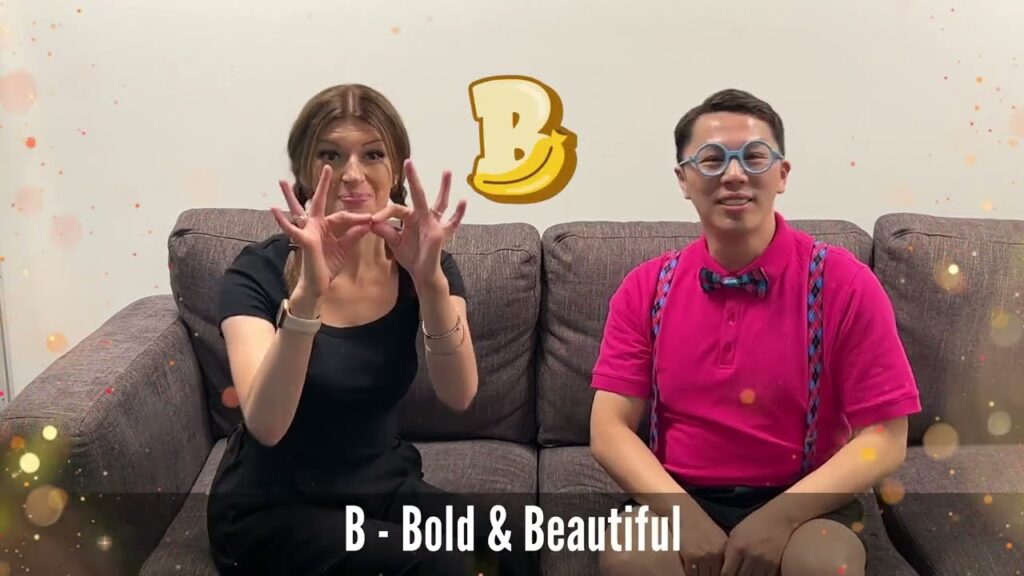
The sign for “cable tie” in Auslan refers to the common tool used for bundling cables and securing items together. This sign is often used in technical discussions, DIY projects, or everyday conversations about organization and maintenance. It’s a practical sign that can help in various contexts where cable management is essential.
How to Sign “Cable Tie”
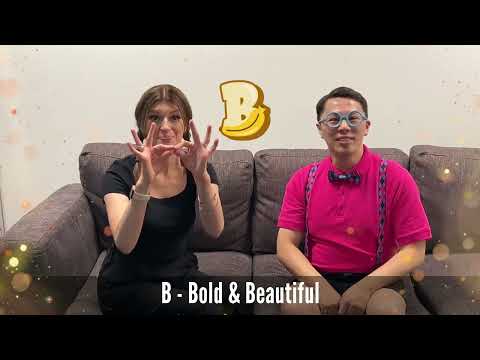
- Start with your dominant hand in a flat handshape, fingers together and extended.
- Position your hand near your waist, palm facing downwards.
- With a smooth motion, mimic the action of wrapping a cable tie around an imaginary bundle by moving your hand in a circular motion.
- As you complete the motion, bring your hand to a close, as if securing the cable tie.
- Incorporate a facial expression that reflects the action, showing focus or determination, to emphasize the task of securing.
Common Mistakes
- Using an incorrect handshape, such as a fist instead of a flat hand.
- Not incorporating enough movement, which can make the sign unclear.
- Failing to use facial expressions, which are crucial for conveying meaning in Auslan.
Related Signs
- 1 – The sign for the number one.
- 1 Dollar – The sign for one dollar, often used in financial discussions.
- 10 – The sign for the number ten.
- 100 – The sign for one hundred, useful in various contexts.
- 11 – The sign for the number eleven.
Frequently Asked Questions
How can I use “cable tie” in a sentence?
You can say, “I need a cable tie to organize these wires.” In Auslan, you would sign “I NEED CABLE TIE ORGANIZE WIRE.”
Are there regional variations for this sign?
While “cable tie” is commonly understood, some regions might have slight variations in handshape or movement. It’s always good to ask locals for clarity.
Is there a similar sign for “zip tie”?
The sign for “zip tie” is often similar to that of “cable tie,” but may involve a different handshape or movement. Check with your community to learn the local variation.
How does this sign compare to BSL?
In British Sign Language (BSL), the sign for “cable tie” may differ significantly from Auslan. It’s beneficial to learn both if communicating with varied audiences.
What are some teaching tips for this sign?
Practice in front of a mirror to ensure correct handshape and movement. Use props like actual cable ties to help associate the sign with the object.
Practice This Sign
Try signing Cable Tie In Auslan with your camera and get AI coaching on your handshape, movement, and location.
Free · No signup required