
Talk in Australian Sign Language (Auslan)
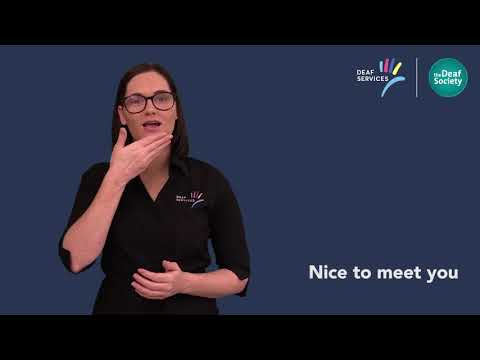
The sign for “talk in Auslan” is used when discussing communication, particularly in the context of using Australian Sign Language (Auslan). It’s a way to express the act of conversing or sharing information within the Deaf community. This sign is commonly used in educational settings, social gatherings, and discussions about language.
Table of Contents
How to Sign “Talk”

- Start with your dominant hand in a ‘B’ handshape (flat hand with fingers together).
- Position your hand near your mouth, palm facing inward.
- Move your hand outward and slightly away from your mouth, as if you’re projecting your voice.
- As you move your hand, maintain a friendly facial expression to convey openness and engagement.
Common Mistakes
- Forgetting to use facial expressions, which are crucial in ASL to convey tone and intent.
- Using a fist instead of a ‘B’ handshape, which can change the meaning of the sign.
- Not moving the hand far enough away from the mouth, making the sign less clear.
Related Signs
- 1 – The sign for the number one.
- 10 – The sign for the number ten.
- 100 – The sign for the number one hundred.
- 11 – The sign for the number eleven.
- 12 – The sign for the number twelve.
Using “Talk” in Everyday Conversations
The sign for “Talk” is commonly used in various conversational contexts within the Deaf community. Here are a few example sentences where this sign may naturally come up:
- “I want to talk with you about our plans.” (ME WANT TALK YOU ABOUT PLANS)
- “Can we talk later?” (CAN WE TALK LATER)
- “Yesterday, I talked with my friend.” (YESTERDAY, I TALKED WITH FRIEND)
These situations often occur in casual settings, whether you’re discussing plans with friends or catching up on news. The sign “Talk” serves as a bridge to facilitate communication and connection among individuals.
Cultural Notes
The sign “Talk” holds significant meaning within the Australian Deaf community, where communication is not just about exchanging information but also about building relationships. Deaf culture places a strong emphasis on visual communication, and the act of “talking” often involves a rich combination of signs, facial expressions, and body language.
While “Talk” is widely understood across Australia, there may be slight regional variations in how it is signed. For instance, some northern communities might incorporate unique non-manual features or facial expressions that reflect local dialects. It’s beneficial to be aware of these differences as they enrich the diversity of Auslan.
Tips for Learning This Sign
Practicing the sign for “Talk” effectively can enhance your Auslan skills. Here are some concrete strategies:
- Mirror Practice: Use a mirror to observe your hand shape and movements. This will help you refine your technique and ensure you’re using the correct form.
- Watch for Non-Manual Features: Pay attention to facial expressions and body language when using “Talk.” These non-manual features are crucial for conveying tone and intent.
- Incorporate into Short Sentences: Create short sentences with the sign “Talk” and practice them in conversation. This will help reinforce your memory and improve your fluency.
By integrating these practices into your learning routine, you can develop a more nuanced understanding of how to use “Talk” effectively in Auslan conversations.
Frequently Asked Questions
How can I use “talk in Auslan” in a sentence?
You might say, “I want to talk in Auslan with my friends,” using the sign to emphasize the language.
Are there regional variations of this sign?
While the sign is generally consistent, some regions may have slight variations in movement or facial expression.
What are some similar signs to “talk in Auslan”?
Related signs include “speak,” “communicate,” and “chat,” which have similar hand movements but differ in context.
How does this sign compare to BSL?
British Sign Language (BSL) has its own unique signs, so “talk in Auslan” may look different in BSL, but the concept remains the same.
What tips do you have for teaching this sign?
Encourage students to practice in pairs, focusing on clear hand shapes and facial expressions to enhance communication.
Practice This Sign
Try signing Talk In Auslan with your camera and get AI coaching on your handshape, movement, and location.
Free · No signup required