
Queer in Australian Sign Language (Auslan)

Representing the term “queer” in Auslan, this gesture conveys a significant element of identity within the LGBTQ+ community. Frequently employed in conversations surrounding sexual orientation, gender identity, and inclusivity, it serves as a strong affirmation of personal identity or a means to express solidarity with others.
Table of Contents
How to Sign “Queer”
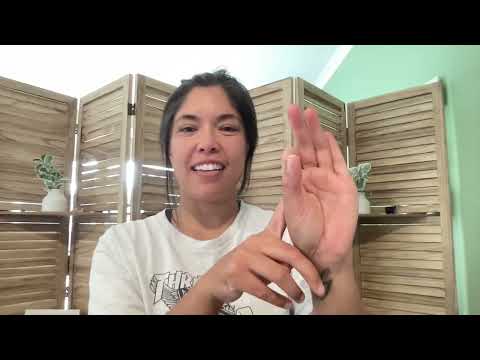
- Start with your dominant hand in a “Q” handshape. This means you should form the letter Q by using your thumb and index finger to create a loop, with your other fingers tucked in.
- Position your “Q” hand near your chin or cheek, with your palm facing inward towards your face.
- Gently move your hand away from your face while keeping the “Q” handshape intact. This movement should be smooth and deliberate.
- As you perform the sign, maintain a friendly expression to convey openness and inclusivity.
Common Mistakes
- Confusing the “Q” handshape with other similar shapes, such as “P” or “R.” Make sure to form the Q correctly.
- Using too much force or speed when moving your hand away from your face. The movement should be gentle and fluid.
- Neglecting facial expressions. Facial expressions are an integral part of Auslan and should match the emotion you want to convey.
Related Signs
- 1 – The sign for the number one.
- 1 Dollar – A sign for currency, useful in various contexts.
- 10 – The sign for the number ten.
- 100 – Represents the number one hundred.
- 11 – The sign for the number eleven.
Using “Queer” in Everyday Conversations
Incorporating the sign for “Queer” into your everyday conversations can enhance understanding and promote inclusivity. Here are a few example sentences where this sign naturally fits:
- “I identify as queer.” – (Sign: I + QUEER) This sentence can be used when discussing personal identity during conversations with friends or in support groups.
- “They are part of the queer community.” – (Sign: THEY + PART + QUEER + COMMUNITY) This might come up in discussions about social events or gatherings within the Deaf community.
- “Queer representation is important in media.” – (Sign: QUEER + REPRESENTATION + IMPORTANT + MEDIA) This can arise in conversations about film, TV shows, or literature during community discussions.
Using these examples can help foster dialogue and ensure that the term is understood in its context.
Cultural Notes
The sign for “Queer” holds significant cultural relevance within the Australian Deaf community. It reflects a broader movement towards inclusivity and acceptance of diverse identities. Within this community, the sign is often used in discussions around pride events, advocacy, and education about LGBTQIA+ issues. While there may be some regional variations in dialect, the sign for “Queer” is generally consistent across Australia, promoting a sense of unity. However, it’s always beneficial to be mindful of local expressions that may embody unique cultural nuances.
Tips for Learning This Sign
Practicing the sign for “Queer” effectively can enhance your fluency in Auslan. Here are some practical tips:
- Mirror Practice: Use a mirror to watch your movements. This helps ensure that your handshape and facial expressions are accurate.
- Observe Non-Manual Features: Pay attention to your facial expressions and body language, as they can convey additional meaning and context in Auslan.
- Incorporate into Short Sentences: Create simple sentences using “Queer.” For example, “Queer is beautiful” (QUEER + BEAUTIFUL). This will help solidify your understanding and comfort with the sign.
Regular practice in various contexts will aid in retention and help you become more confident in using the sign in conversations.
Frequently Asked Questions
How can I use “queer” in a sentence?
You might say, “I identify as queer” or “She is part of the queer community.” This shows how the sign fits into everyday conversation.
Are there regional variations for this sign?
While the sign is generally consistent across Auslan users, some regions may have slight variations in handshape or movement.
Are there similar signs in Auslan?
Yes, other signs related to gender and sexuality include “lesbian,” “gay,” and “bisexual.” Each has its own distinct sign.
How does this sign compare to BSL?
In British Sign Language (BSL), the sign for “queer” is different. It’s important to be aware of the variations across sign languages.
What are some tips for teaching this sign?
Encourage students to practice with peers, focusing on facial expressions and handshapes. Use group activities to help reinforce learning.
Practice This Sign
Try signing Queer In Auslan with your camera and get AI coaching on your handshape, movement, and location.
Free · No signup required