
Pakistan in Australian Sign Language (Auslan)
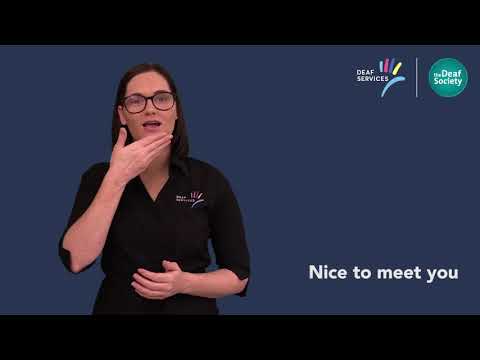
The sign for “Pakistan” in Auslan is used to refer to the country and is commonly employed in conversations about geography, culture, or travel. It helps to identify the country and express related topics in discussions among the Deaf community.
Table of Contents
How to Sign “Pakistan”

- Start with your dominant hand in a flat handshape (like a “B” handshape) with fingers extended and together.
- Position your hand in front of your chest, with the palm facing away from you.
- Move your hand in a slight arc to your right while keeping it parallel to the ground.
- As your hand moves, maintain a neutral facial expression, but you can add a slight nod to indicate you are discussing a specific place.
Common Mistakes
- Forgetting to keep the hand flat; some learners may curl their fingers unintentionally.
- Not moving the hand in a smooth arc, which can lead to a less clear sign.
- Neglecting facial expressions, which are essential for conveying context and meaning in Auslan.
Related Signs
- 1 – The sign for the number one.
- 1 Dollar – Used when discussing currency.
- 10 – Represents the number ten.
- 100 – Used for the number one hundred.
- 11 – Represents the number eleven.
Using “Pakistan” in Everyday Conversations
The sign for “Pakistan” can be integrated into various everyday conversations, especially when discussing travel, cultural events, or current affairs. Here are a few example sentences:
- Example 1: “I have friends Pakistan.” (I – have – friends – PAKISTAN.)
- Example 2: “I want to learn about culture Pakistan.” (I – want – learn – about – CULTURE – PAKISTAN.)
- Example 3: “Pakistan has beautiful landscapes.” (PAKISTAN – has – beautiful – LANDSCAPES.)
These examples might come up naturally in conversations related to international travel plans, discussions about cultural diversity, or when sharing experiences from personal connections to Pakistan.
Cultural Notes
In the Australian Deaf community, the sign for “Pakistan” is often used in discussions about multiculturalism, as Australia is home to a vibrant Pakistani community. It’s important to understand that the Deaf community values cultural identity and diversity, and references to countries like Pakistan may come with pride and a sense of belonging for some individuals. While there are no significant dialect variations for this sign across northern and southern Australia, subtle differences in facial expressions or signing styles may occur based on individual preferences or regional influences.
Tips for Learning This Sign
To effectively learn and remember the sign for “Pakistan,” consider these concrete practices:
- Mirror Practice: Use a mirror to practice the sign, ensuring your movements are accurate and fluid. This visual feedback helps correct any mistakes.
- Watch for Non-Manual Features: Pay attention to facial expressions and body language when signing “Pakistan.” These non-manual features can enhance the meaning and cultural context of your signing.
- Incorporate into Short Signed Sentences: Practice using “Pakistan” in short sentences with friends or fellow learners. This helps reinforce your memory of the sign and builds confidence in your signing skills.
Consistent practice and engagement with the Deaf community will further deepen your understanding and fluency in using this sign.
Frequently Asked Questions
How can I use “Pakistan” in a sentence?
You can say, “I want to visit Pakistan,” by signing “I” then the sign for “want,” followed by “Pakistan.”
Are there regional variations for this sign?
While the sign is generally consistent, some regional variations may exist. It’s always good to learn from local Deaf individuals.
Is there a sign similar to “Pakistan”?
Yes, signs for nearby countries may have similar movements or shapes, but each will have distinct features.
How does this sign compare to BSL?
The sign for “Pakistan” in BSL may differ, as there are variations between Auslan and BSL signs for countries.
What tips do you have for teaching this sign?
Encourage students to practice in pairs, focusing on handshape and movement while providing feedback on facial expressions.
Practice This Sign
Try signing Pakistan In Auslan with your camera and get AI coaching on your handshape, movement, and location.
Free · No signup required