
Panic Attack in Australian Sign Language (Auslan)

The sign for “panic attack” in Auslan is used to express feelings of intense fear or anxiety that can arise suddenly. This sign can be particularly useful in mental health discussions, enabling individuals to convey their experiences more effectively and connect with others who understand. It’s often used in contexts where someone is describing their emotional state or seeking support.
How to Sign “Panic Attack”
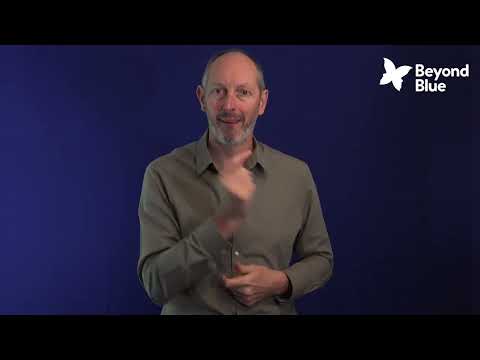
- Start with both hands in front of your chest, palms facing you, and fingers slightly curled.
- Bring your hands together toward your chest, as if mimicking a tightening sensation. This represents the feeling of panic.
- As your hands come together, furrow your brow and widen your eyes to indicate distress. Your facial expression should reflect anxiety or fear.
- Maintain the hand position and facial expression for a moment to emphasize the intensity of the feeling.
Common Mistakes
- Forgetting to incorporate facial expressions, which are crucial for conveying emotions in Auslan.
- Using a flat handshape instead of slightly curled fingers, which can diminish the sign’s impact.
- Moving the hands too quickly, which can make the sign unclear and lessen its emotional weight.
Related Signs
- Anxiety – A sign used to express feelings of nervousness or worry.
- Depression – This sign conveys feelings of sadness or low mood.
- Stress – Used to indicate pressure or mental strain.
- Mental Health – A broader term encompassing various conditions and well-being.
- Support – Used to ask for or offer help and understanding.
Frequently Asked Questions
Can you use this sign in a sentence?
Yes! You can say, “I had a panic attack yesterday,” by signing “I” followed by the sign for “panic attack” and then “yesterday.”
Are there regional variations of this sign?
While the basic sign remains consistent, some regions may have slight variations in handshape or movement. It’s best to learn from local Deaf communities.
Are there similar signs to “panic attack”?
Yes, signs like “anxiety” and “stress” convey related feelings and can often be used interchangeably depending on context.
How does this sign compare to BSL?
While both Auslan and BSL share similarities, the sign for “panic attack” may differ. Watching the sign in context is helpful for understanding regional differences.
What are some teaching tips for this sign?
Encourage students to practice facial expressions and use examples from real-life situations to make the learning process relatable and engaging.
How can I remember this sign?
Visualize the sensation of panic and associate that feeling with the hand movement to help solidify the sign in your memory.
Practice This Sign
Try signing Panic Attack In Auslan with your camera and get AI coaching on your handshape, movement, and location.
Free · No signup required