
Paddle in Australian Sign Language (Auslan)
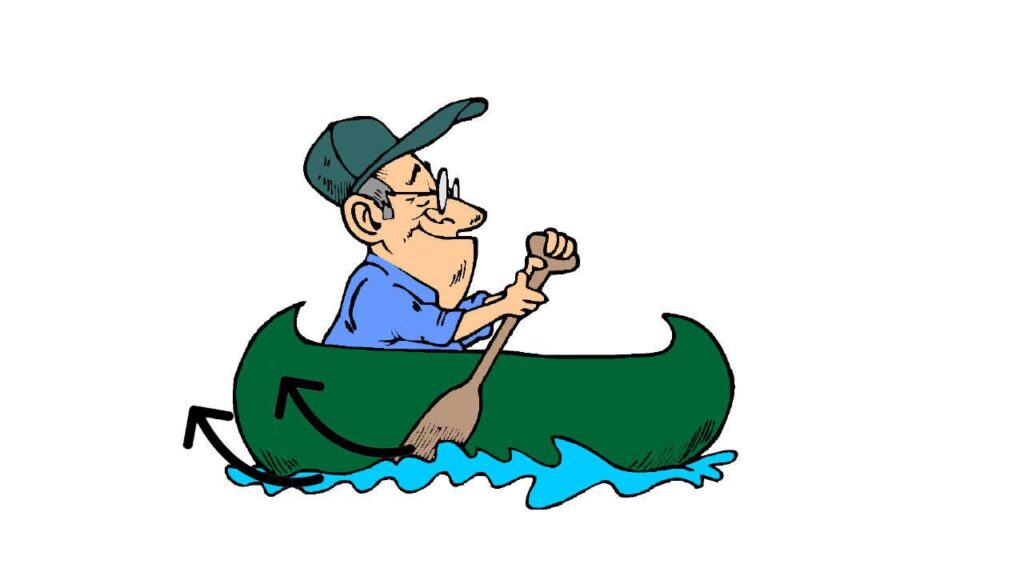
The sign for “paddle” in Auslan (Australian Sign Language) is often used in contexts related to water sports, such as kayaking or canoeing. It can convey not just the action of paddling but also discussions around water activities in general.
Table of Contents
How to Sign “Paddle”
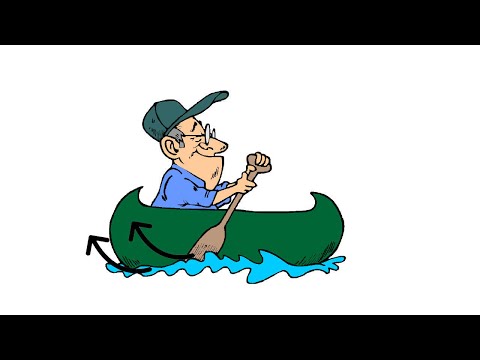
- Begin with your dominant hand in a flat, open handshape, palm facing down.
- Position your dominant hand in front of your body, at about waist height.
- Move your hand in a forward motion, mimicking the action of pushing water back as you would with a paddle.
- As you move your hand forward, lean slightly forward to emphasize the movement.
- Maintain a focused and engaged facial expression, as this adds to the clarity of your sign.
Common Mistakes
- Some learners may forget to use the correct handshape, using a fist instead of an open hand.
- Not using enough movement can make the sign less clear; ensure you mimic the paddle motion accurately.
- Facial expressions are often neglected; remember to show enthusiasm or focus to enhance comprehension.
Related Signs
- 1 – The sign for the number one.
- 1 Dollar – Denotes one dollar in currency.
- 10 – Represents the number ten.
- 100 – Indicates the number one hundred.
- 11 – Signifies the number eleven.
Using “Paddle” in Everyday Conversations
The sign “Paddle” can be incorporated into various everyday conversations, especially when discussing activities related to water sports, outdoor adventures, or leisure time by the river or sea. Here are a few example sentences:
- “I love to paddle on the river.” — This sentence can be used when talking about your favorite weekend activities with friends.
- “We paddled together last summer.” — Perfect for reminiscing about past experiences during conversations about holiday trips.
- “Do you want to paddle tomorrow?” — A casual invitation to plan an outing, often used in group chats about fun plans.
Using “Paddle” in these contexts allows for a natural flow of conversation, engaging others in shared interests and experiences.
Cultural Notes
The sign “Paddle” holds significance within the Australian Deaf community, particularly in areas where water activities are popular. The sign is often associated with social gatherings, community events, and outdoor adventures that involve kayaking, canoeing, or rowing. These activities not only promote recreation but also strengthen social bonds among members of the Deaf community.
While the sign itself is fairly consistent across Australia, you might notice slight variations in signing styles between northern and southern dialects. For instance, in some southern regions, the sign may incorporate a more exaggerated motion to reflect local water activities, while northern regions may maintain a more subdued form. Understanding these dialectical differences enriches communication and fosters inclusivity within diverse Deaf groups.
Tips for Learning This Sign
Here are some effective strategies to practice and remember the sign “Paddle”:
- Mirror Practice: Stand in front of a mirror and practice the sign. This allows you to observe your handshape and movement, ensuring accuracy.
- Non-Manual Features: Pay attention to your facial expressions and body language while signing. These non-manual features can enhance the meaning and emotion behind “Paddle.”
- Use in Context: Create short sentences or scenarios where you can use “Paddle.” For example, practice with a friend by discussing your favorite water activities.
By incorporating these tips into your learning routine, you’ll be able to use “Paddle” confidently and naturally in conversation.
Frequently Asked Questions
How can I use “paddle” in a sentence?
You can say, “I love to paddle on weekends,” using the sign while expressing your passion for water sports.
Are there regional variations for this sign?
Yes, signs can vary by region, so it’s beneficial to learn from local Deaf community members.
What are some signs similar to “paddle”?
Signs like “row” or “boat” are similar and used in related contexts, so it’s helpful to learn them together.
How does “paddle” compare to BSL?
In British Sign Language, the sign for “paddle” may look different, emphasizing the importance of learning the specific sign for the language you’re using.
What are some teaching tips for this sign?
Practice in front of a mirror to ensure your handshape and movements are correct, and engage with the Deaf community for feedback.
Can children learn this sign easily?
Yes! Children often enjoy learning signs related to activities they like, such as paddling in water sports.
Practice This Sign
Try signing Paddle In Auslan with your camera and get AI coaching on your handshape, movement, and location.
Free · No signup required