
Object in Australian Sign Language (Auslan)

The sign for “object” in Auslan is used to refer to a physical item or thing. It is commonly employed in everyday conversation when discussing various objects or specifying items in a sentence. This sign helps convey meaning clearly and effectively in discussions about the world around us.
Table of Contents
How to Sign “Object”
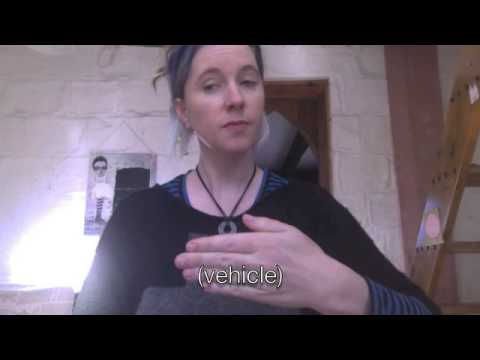
- Start with your dominant hand in a flat handshape (like a “B” handshape).
- Position your hand in front of your body, with the palm facing towards you.
- Move your hand slightly forward and then to the side, maintaining the flat handshape throughout the movement.
- As you move your hand, incorporate a facial expression that reflects the context of the object you’re referring to, such as curiosity or excitement.
Common Mistakes
- Forgetting to maintain the flat handshape, which can confuse the meaning of the sign.
- Not using appropriate facial expressions, leading to a lack of emotional context in the sign.
- Making the movement too abrupt, which can make it hard for others to understand the intent of the sign.
Related Signs
- 1 – The sign for the number one.
- 1 Dollar – A sign indicating a single dollar amount.
- 10 – The sign for the number ten.
- 100 – The sign for the number one hundred.
- 15 – The sign for the number fifteen.
Using “Object” in Everyday Conversations
The sign for “Object” is commonly used in various everyday conversations, especially when discussing items, belongings, or concepts that are tangible. Here are a few example sentences that illustrate its use:
- “This object is heavy.” (SIGN: THIS OBJECT HEAVY)
- “Can you pass me that object?” (SIGN: CAN YOU PASS ME THAT OBJECT)
- “What object do you want to buy?” (SIGN: WHAT OBJECT YOU WANT BUY)
These examples can come up in contexts such as shopping, discussing personal items, or when describing objects in a classroom or workshop setting. Using the sign helps convey specific meanings clearly and efficiently.
Cultural Notes
In the Australian Deaf community, the term “object” can extend beyond mere physical items to include concepts and ideas, reflecting the community’s rich understanding of both language and culture. Sign language is often used to express thoughts in a very visual and contextual manner, which is highly valued in Deaf culture. Moreover, while Auslan is relatively consistent across Australia, there can be subtle dialect variations between regions, particularly between northern and southern states. For instance, certain signs or the way “object” is incorporated into phrases might differ slightly, reflecting the unique linguistic influences present in those areas.
Tips for Learning This Sign
Practising the sign for “Object” can be both fun and effective when approached with some engaging methods. Here are some tips to help you learn and remember it:
- Mirror Practice: Stand in front of a mirror to observe your movements. This helps you ensure that your handshape and facial expressions are accurate.
- Watch for Non-Manual Features: Pay attention to facial expressions and body language that accompany the sign. These non-manual features carry important meaning in Auslan.
- Use it in Short Signed Sentences: Create simple sentences using the sign. This contextual practice reinforces your memory and helps you become comfortable using it in conversation.
By incorporating these strategies into your learning process, you will enhance your understanding and fluency in Auslan, making your communication more effective within the Deaf community.
Frequently Asked Questions
How can I use “object” in a sentence?
You might say, “I see the object on the table,” using the sign for “object” to specify what you’re talking about.
Are there regional variations for this sign?
Yes, some regions may have slight variations in handshape or movement, so it’s good to learn from local Deaf communities.
Are there similar signs in other sign languages?
Yes, many sign languages have their own versions of the sign for “object,” but they may differ in execution. For instance, BSL has its own unique sign for object.
How does the sign for “object” compare to BSL?
The sign for “object” in BSL involves a different handshape and movement, showing how sign languages can vary even for the same concept.
What are some teaching tips for this sign?
Encourage learners to practice with various objects around them to reinforce the sign’s meaning and use facial expressions to convey context.
Practice This Sign
Try signing Object In Auslan with your camera and get AI coaching on your handshape, movement, and location.
Free · No signup required