
Obesity in Australian Sign Language (Auslan)

The sign for “obesity” in Auslan refers to an individual who has excessive body weight, often associated with health discussions. This sign is commonly used in conversations about health, nutrition, and body image, and it’s important to approach the topic with sensitivity and respect.
Table of Contents
How to Sign “Obesity”
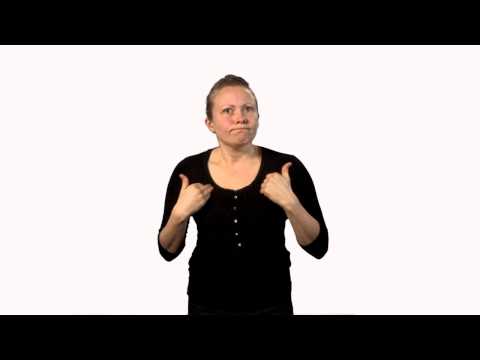
- Start with both hands in a flat “O” shape (fingers closed and thumb extended).
- Position your hands at the sides of your waist.
- Slowly move your hands outward, away from your body, as if indicating an increase in size.
- Maintain a neutral facial expression or one that reflects the seriousness of the topic.
Common Mistakes
- Using a “C” handshape instead of the flat “O” handshape, which can lead to confusion with other signs.
- Moving the hands too quickly; the movement should be deliberate and clear to convey the meaning effectively.
- Neglecting facial expressions, which can change the tone and understanding of the sign.
Related Signs
- Health – Discussing overall well-being.
- Nutrition – Referring to dietary choices and food.
- Weight – Talking about body weight in general.
- Exercise – Referring to physical activity and fitness.
- Body – A broader term relating to the human body.
Using “Obesity” in Everyday Conversations
The sign for “Obesity” can be seamlessly integrated into various everyday conversations, particularly when discussing health, nutrition, or social issues. Here are a few example sentences to illustrate its usage:
- “MANY AUSTRALIANS OBESE, HEALTH ISSUE.” (Many Australians are obese, and it’s a health issue.)
- “MY FRIEND OBESE, STRUGGLE WITH EXERCISE.” (My friend is obese and struggles with exercise.)
- “OBESITY RISK FOR CHILDREN, IMPORTANT TO EDUCATE.” (Obesity is a risk for children; it’s important to educate.)
You might encounter these topics in discussions about public health campaigns, personal health journeys, or conversations about societal perceptions of body image.
Cultural Notes
In the Australian Deaf community, discussions around obesity often intersect with broader conversations about health and body positivity. The sign for “Obesity” is used with sensitivity, acknowledging that individuals may have different experiences with weight and health. It’s essential to approach this topic respectfully and be aware of the potential stigma associated with obesity.
Dialect variations in Auslan can occur between northern and southern regions of Australia, although the sign for “Obesity” remains relatively consistent. However, some signs may be performed with slight variations in speed or facial expressions, reflecting local signing styles. Engaging with Deaf community members from various regions can enrich your understanding of these nuances.
Tips for Learning This Sign
Practicing the sign for “Obesity” effectively involves several strategies to ensure retention and fluency. Here are some concrete ways to practice:
- Mirror Practice: Stand in front of a mirror and practice the sign. This helps you self-correct and improve your handshape and movement.
- Watch for Non-Manual Features: Pay attention to facial expressions and body language while signing. These non-manual features add context and meaning to your sign.
- Use It in Short Signed Sentences: Create simple sentences that include “Obesity” and practice signing them in context. This will help reinforce the sign through real-life application.
Regular practice and engagement with the Deaf community will enhance your confidence in using the sign appropriately and meaningfully.
Frequently Asked Questions
How can I use this sign in a sentence?
You might say, “Obesity can lead to health issues,” by signing “OBESITY” followed by your sign for “CAN” and “HEALTH ISSUES.”
Are there regional variations for this sign?
While the sign is generally consistent, some regions may have slight variations in movement or facial expression.
What are some similar signs?
Similar signs include “weight” and “health,” which are often used in conjunction with discussions about obesity.
How does this compare to BSL?
The sign for “obesity” in BSL may differ in handshape and movement; it’s beneficial to learn both for broader communication.
What tips do you have for teaching this sign?
Encourage students to practice in pairs and emphasize the importance of facial expressions to convey the seriousness of the topic.
Practice This Sign
Try signing Obesity In Auslan with your camera and get AI coaching on your handshape, movement, and location.
Free · No signup required