
Obvious in Australian Sign Language (Auslan)

The sign for “obvious” in Auslan expresses something that is clear and easily understood. It’s often used in conversations when you want to emphasize that a situation or point is apparent without needing further explanation.
Table of Contents
How to Sign “Obvious”
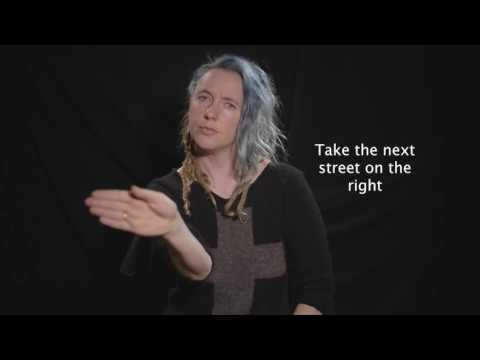
- Start with your dominant hand in a flat ‘B’ handshape (palm facing down).
- Position your hand in front of your forehead, near the temple.
- Move your hand outward and slightly forward, as if you are pushing the idea away from your head.
- As you move your hand, maintain a confident facial expression, indicating clarity and certainty.
Common Mistakes
- Forgetting to use a confident facial expression, which is crucial for conveying the meaning of “obvious.”
- Using an incorrect handshape; ensure you are using the flat ‘B’ handshape for clarity.
- Not moving the hand far enough away from the head, which can make the sign look unclear.
Related Signs
- Clear – Sign used to indicate something that is easy to understand.
- Easy – Sign for something that requires little effort or is straightforward.
- Obvious – Similar in meaning, emphasizing clarity.
- Plain – Sign for something that is straightforward and not complicated.
- Apparent – Indicates something that is easily seen or understood.
Using “Obvious” in Everyday Conversations
The sign for “obvious” can be integrated into daily conversations, especially when discussing situations or feelings that are clear and apparent. Here are a few example sentences that illustrate how to use this sign in context:
- When discussing a surprise party: “SURPRISE PARTY, OBVIOUS, THEY KNOW.” This can be used when talking about a situation where the surprise has been unintentionally revealed.
- In a discussion about a simple solution: “PROBLEM, OBVIOUS, SOLUTION EASY.” This highlights the clarity of the solution to a problem.
- When explaining someone’s feelings: “HER FACE, OBVIOUS, SHE HAPPY.” This can express that someone’s emotions are clear from their facial expressions.
These examples can arise in casual chats among friends, during group discussions, or even in more formal settings when clarity is essential.
Cultural Notes
In the Australian Deaf community, the sign for “obvious” often reflects a shared understanding and cultural appreciation for direct communication. This sign can convey not only clarity but also a sense of camaraderie, as members of the community often understand unspoken social cues. Additionally, while Auslan is relatively consistent across Australia, there may be slight variations in how the sign is expressed in different regions. In northern areas, for example, the sign may incorporate a more exaggerated facial expression, while in southern regions, the emphasis might be more on the handshape. These nuances foster a rich tapestry of communication styles within the community.
Tips for Learning This Sign
Practicing the sign for “obvious” can be both fun and effective. Here are some tips to help you learn and remember it:
- Mirror Practice: Stand in front of a mirror while practicing the sign. This will help you see your handshape and facial expressions, ensuring they align with the sign’s meaning.
- Observe Non-Manual Features: Pay attention to facial expressions and body language that accompany the sign. Non-manual features enhance the meaning and help convey the context.
- Use in Short Sentences: Create simple sentences incorporating “obvious” and practice them with a friend or in front of a mirror. For instance, “THIS OBVIOUS” can help reinforce the sign in context.
Regular practice and usage will strengthen your ability to use the sign fluidly and naturally in conversation.
Frequently Asked Questions
How can I use “obvious” in a sentence?
You might say, “It’s obvious that he is happy,” while signing the word “obvious” to emphasize clarity in your statement.
Are there regional variations for this sign?
What are similar signs to “obvious”?
Signs like “clear” and “apparent” convey similar meanings and can be used interchangeably in some contexts.
How does this compare to BSL?
In British Sign Language (BSL), the sign for “obvious” may differ in handshape and movement. It’s beneficial to learn both for better understanding.
What tips do you have for teaching this sign?
Encourage students to practice with facial expressions and to use real-life examples to make the concept of “obvious” clearer.
Can “obvious” be used in different contexts?
Yes, the sign can be used in various contexts, from everyday conversations to more formal discussions, wherever clarity is important.
Is it appropriate to use “obvious” in a sarcastic way?
While the sign can be used to emphasize clarity, using it sarcastically may require careful consideration of context and audience to avoid misunderstandings.
Practice This Sign
Try signing Obvious In Auslan with your camera and get AI coaching on your handshape, movement, and location.
Free · No signup required