
Obstruction in Australian Sign Language (Auslan)

The sign “obstruction” in Auslan refers to something that blocks or hinders movement or progress. It’s commonly used in contexts where barriers or obstacles are present, whether physical, metaphorical, or in discussions about issues affecting communication or accessibility.
Table of Contents
How to Sign “Obstruction”
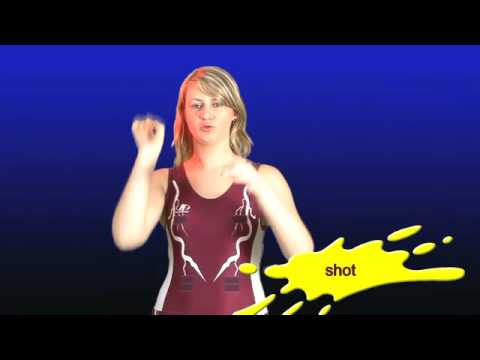
- Start by holding your dominant hand in a flat “B” handshape (with fingers together and palm facing down).
- Position your hand about chest height, slightly in front of you.
- Move your hand forward a short distance, as if pushing against an invisible barrier.
- While performing this movement, maintain a serious facial expression to convey the concept of hindrance or blockage.
Common Mistakes
- Forgetting to use a facial expression that matches the meaning, which is crucial for conveying the concept of obstruction.
- Using the wrong handshape; ensure you’re using the flat “B” handshape for this sign.
- Not moving the hand forward enough to indicate the action of pushing against an obstruction.
Related Signs
- 1 – The sign for the number one.
- 10 – The sign for the number ten.
- 100 – The sign for the number one hundred.
- 12 – The sign for the number twelve.
- 16 – The sign for the number sixteen.
Using “Obstruction” in Everyday Conversations
The sign for “Obstruction” can be quite useful in various everyday situations, especially when discussing challenges or barriers. Here are a few example sentences showcasing how to use this sign naturally:
- “I can’t see the stage; there’s an obstruction in the way.”
(Pointing to the obstruction, followed by the sign for “stage”) - “We need to remove that obstruction to make the path safe.”
(Gesturing towards the obstruction as you sign “remove” and “path”) - “The road had an obstruction due to construction work.”
(Using directional signs to show movement along the road)
These sentences typically come up in conversations about navigating spaces, community events, or when discussing safety concerns. Using the sign effectively can help convey the message clearly and enhance understanding.
Cultural Notes
In the Australian Deaf community, the concept of “obstruction” extends beyond physical barriers to include social and communication challenges. The use of this sign can reflect the experiences of Deaf individuals facing obstacles in accessibility, both in public spaces and in social interactions. It’s important to recognize that the Deaf community values inclusivity, and discussions about obstructions often highlight the need for better access and understanding.
While Auslan is relatively consistent across Australia, there can be slight variations in signs based on regional dialects, particularly between northern and southern areas. However, the sign for “obstruction” is generally understood universally within the community, making it a vital part of engaging in discussions about access and barriers.
Tips for Learning This Sign
Practicing the sign for “obstruction” can be made enjoyable and effective with a few simple techniques:
- Mirror Practice: Stand in front of a mirror to observe your handshape and placement. This will help ensure you are signing accurately.
- Watch for Non-Manual Features: Pay attention to facial expressions and body language when using the sign, as these non-manual features can enhance the meaning.
- Use It in Short Signed Sentences: Incorporate “obstruction” into simple sentences during practice. This will help reinforce the context in which the sign is used.
Engaging with others in the Deaf community can also provide real-life opportunities to practice and receive feedback, further enhancing your skills and confidence.
Frequently Asked Questions
Can you use “obstruction” in a sentence?
Yes! You can say, “There is an obstruction in the path,” using the sign to illustrate the barrier.
Are there regional variations of this sign?
Yes, some regions may have slight variations in handshape or movement. It’s best to learn from local Deaf community members.
Is this sign similar to any other signs?
The sign for “block” may have a similar movement, but the context and facial expressions differentiate them.
How does this sign compare to BSL?
In British Sign Language (BSL), the sign for obstruction may look different, so it’s important to learn each sign language’s unique signs.
What are some teaching tips for this sign?
Practice with a partner and focus on getting the facial expressions right, as they enhance understanding of the sign’s meaning.
Practice This Sign
Try signing Obstruction In Auslan with your camera and get AI coaching on your handshape, movement, and location.
Free · No signup required