
Nature Reserve in Australian Sign Language (Auslan)

The sign for “nature reserve” in Auslan refers to protected areas that preserve natural environments and wildlife. This sign is commonly used in conversations about conservation, environmental education, and outdoor activities. It embodies the importance of preserving our natural surroundings.
Table of Contents
How to Sign “Nature Reserve”
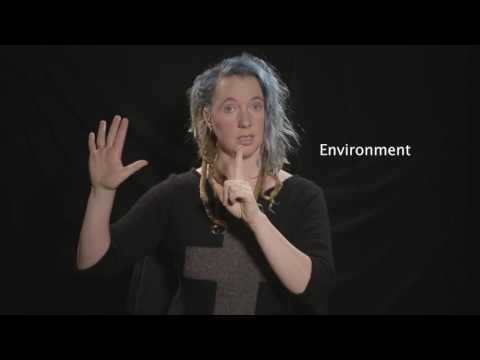
- Start with your dominant hand in a flat “5” handshape (fingers spread apart) and palm facing down.
- Place your hand at about shoulder height, slightly in front of you.
- Move your hand forward while bending your fingers inward, shaping your hand into a “C” handshape.
- As you make this movement, slightly tilt your head forward and maintain a focused expression, emphasizing the importance of nature reserves.
Common Mistakes
- Forgetting to use the facial expressions that convey the importance of nature, which can help enhance the meaning of the sign.
- Not using the correct handshape; some learners may mistakenly use a closed fist instead of the “5” or “C” handshape.
- Rushing the movement, which can make the sign unclear. It’s important to take your time to ensure clarity.
Related Signs
- Environment – Sign for the surroundings we live in.
- Conservation – Sign for protecting and preserving natural resources.
- Wildlife – Sign that refers to animals living in their natural habitats.
- Park – Sign depicting a public green space for recreation.
- Forest – Sign representing dense areas of trees and vegetation.
Using “Nature Reserve” in Everyday Conversations
The sign for “Nature Reserve” can be seamlessly integrated into conversations about environmental topics, outdoor activities, or discussions regarding wildlife protection. Here are some example sentences that illustrate how to use this sign in context:
- “I want to visit the nature reserve this weekend.”
(YOU – WEEKEND – NATURE RESERVE – VISIT) - “The nature reserve has many unique animals.”
(NATURE RESERVE – MANY – UNIQUE – ANIMALS) - “We should support the nature reserve to protect the environment.”
(WE – SHOULD – SUPPORT – NATURE RESERVE – PROTECT – ENVIRONMENT)
These situations often arise during community discussions about conservation efforts, leisure activities with family and friends, or environmental education sessions in schools.
Cultural Notes
The concept of “Nature Reserve” holds significant importance within the Australian Deaf community, particularly as many Deaf individuals have a strong connection to nature and outdoor activities. This connection often reflects a communal appreciation for preserving Australian wildlife and landscapes. The sign may vary slightly in different regions, with northern and southern dialects exhibiting minor differences in handshape or movement. These variations can enrich conversations within the community, reflecting local identity and pride.
Tips for Learning This Sign
Practicing the sign for “Nature Reserve” can be both fun and effective when using a variety of techniques:
- Mirror Practice: Stand in front of a mirror to observe your hand movements and facial expressions. This helps you ensure they align with the sign’s intended meaning.
- Non-Manual Features: Pay attention to your facial expressions when signing. Emphasizing your interest or excitement about the nature reserve can enhance communication.
- Short Signed Sentences: Use the sign in simple sentences throughout your day. For example, when discussing weekend plans or sharing stories about wildlife, it encourages practical usage and reinforces memory.
Incorporating these techniques into your learning routine will help solidify your understanding and usage of the sign “Nature Reserve.” Practice regularly, and you’ll find it becomes a natural part of your Auslan vocabulary.
Frequently Asked Questions
How can I use “nature reserve” in a sentence?
You can say, “I love visiting the nature reserve for hiking and birdwatching,” using the sign for nature reserve while mentioning the activities.
Are there regional variations in this sign?
Yes, some regions may have slight variations in the sign, but the core concept remains the same. Observing local signs can help you adapt.
Is there a sign similar to “nature reserve”?
The sign for “environment” is similar, but it encompasses a broader concept, while “nature reserve” is more specific to protected areas.
How does this sign compare to BSL?
In British Sign Language (BSL), the sign for “nature reserve” may differ significantly. It’s best to learn the specific signs for each language.
What are some teaching tips for this sign?
Practice with visual aids, such as images of nature reserves, to help learners connect the sign with its meaning. Encourage them to use facial expressions for emphasis.
Practice This Sign
Try signing Nature Reserve In Auslan with your camera and get AI coaching on your handshape, movement, and location.
Free · No signup required