
Hair Dry in Australian Sign Language (Auslan)

The sign for “hair dry” in Auslan is used to describe the action of drying hair, often following a shower or swim. This sign is handy in everyday conversations about personal care routines and can be used in various contexts, such as discussing beauty, grooming, or self-care.
Table of Contents
How to Sign “Hair Dry”
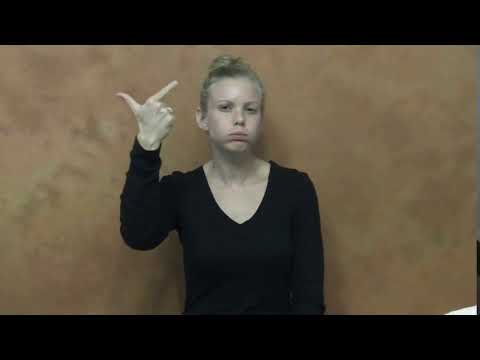
- Start with your dominant hand in a flat handshape, with fingers extended and together.
- Position your hand in front of your forehead, palm facing towards you.
- Move your hand downwards and away from your head, as if you are mimicking the action of using a hairdryer.
- While moving your hand, use a facial expression that shows concentration or focus, as if you are genuinely drying your hair.
- Finish the movement around chin level, and hold the final position for a moment to emphasize the action.
Common Mistakes
- Some learners may forget to use the appropriate facial expressions, which are essential for conveying the meaning of the sign.
- Using an incorrect handshape, such as a fist instead of a flat hand, can lead to confusion.
- Moving the hand too quickly or too slowly can disrupt the clarity of the sign.
Related Signs
- 1 – The sign for the number one.
- 1 Dollar – Signifying one dollar in financial contexts.
- 10 – The sign for the number ten.
- 100 – The sign for one hundred.
- 12 – The sign for the number twelve.
Using “Hair Dry” in Everyday Conversations
The sign “Hair Dry” fits seamlessly into various everyday conversations, particularly when discussing personal grooming or beauty routines. Here are a few example sentences illustrating its use:
- Before going out: “I need to hair dry before the party.” (Sign: NEED HAIR DRY PARTY)
- During a chat about self-care: “Do you hair dry your hair every day?” (Sign: YOU HAIR DRY EVERY DAY?)
- When sharing a tip: “I use a special product to hair dry quickly.” (Sign: I USE SPECIAL PRODUCT HAIR DRY QUICK)
These scenarios show how the sign can be integrated into discussions about daily routines, making it a practical addition to your Auslan vocabulary.
Cultural Notes
Within the Australian Deaf community, personal grooming practices, including hair care, are often topics of casual conversation. The sign “Hair Dry” not only conveys a specific action but also reflects the importance of maintaining personal appearance in social settings. In some cases, regional dialect variations may occur, particularly between northern and southern regions of Australia. While the core sign remains the same, slight differences in facial expressions or movements might be observed. Recognizing and adapting to these nuances can enhance communication and foster connections within the community.
Tips for Learning This Sign
To effectively learn and remember the sign “Hair Dry,” consider these practical strategies:
- Mirror Practice: Stand in front of a mirror and practice the sign while paying attention to your handshape and movement. This helps reinforce muscle memory.
- Watch for Non-Manual Features: Pay attention to facial expressions and body language while signing. These non-manual features are crucial for conveying meaning in Auslan.
- Use in Short Signed Sentences: Create simple sentences that include “Hair Dry” and practice them regularly. This contextualizes the sign and helps solidify it in your memory.
By incorporating these techniques into your practice routine, you can enhance your Auslan skills and confidently use “Hair Dry” in conversation.
Frequently Asked Questions
Can you use “hair dry” in a sentence?
Yes! For example, you could say, “I need to hair dry my hair after the shower.” In Auslan, you would sign “I hair dry hair after shower.”
Are there regional variations for this sign?
While the sign is generally understood, some regions may have slight variations in movement or facial expression. It’s always good to learn from local Deaf communities.
What are some similar signs?
Signs related to hair care include “hair wash,” “hair cut,” and “hair style.” Each sign focuses on different aspects of hair maintenance.
How does this compare to BSL?
While there may be similarities, BSL (British Sign Language) has its own distinct signs for “hair dry,” which differ significantly from Auslan signs.
What teaching tips can help with learning this sign?
Practice in front of a mirror to ensure your handshape and movements are clear. Additionally, watching native signers can provide helpful context.
Practice This Sign
Try signing Hair Dry In Auslan with your camera and get AI coaching on your handshape, movement, and location.
Free · No signup required