
Narrative in Australian Sign Language (Auslan)
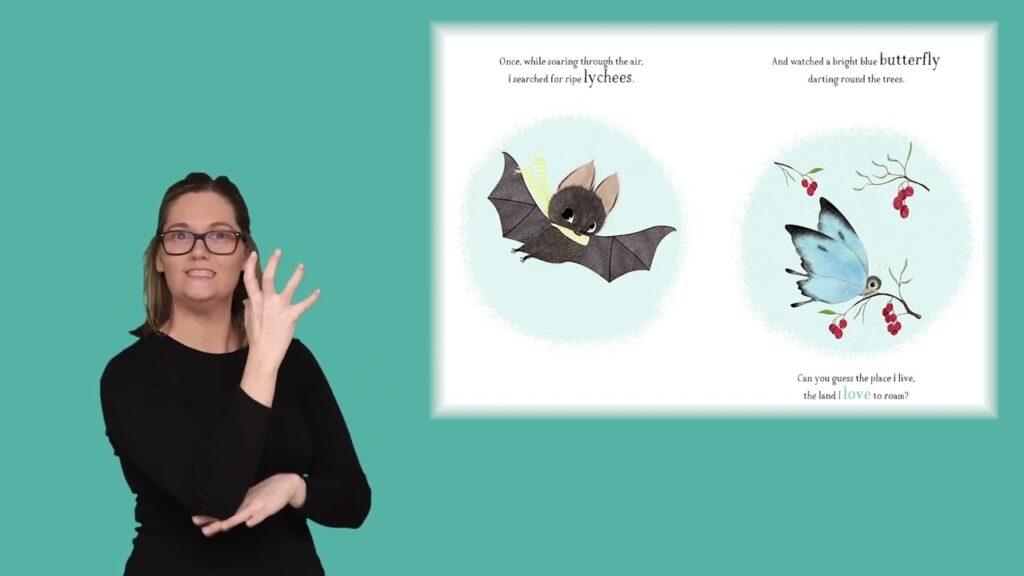
The sign for “narrative in Auslan” is used to convey storytelling or sharing personal experiences in Australian Sign Language (Auslan). It’s commonly used in both informal and formal settings where narratives are shared, like storytelling nights or educational environments. This sign emphasizes the importance of storytelling within the Deaf community.
Table of Contents
How to Sign “Narrative”
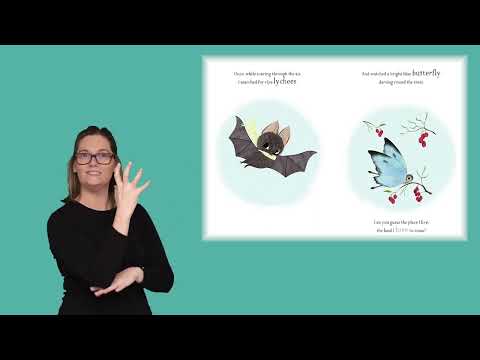
- Start with your dominant hand in a flat handshape (like a “B” hand) and hold it at your chest, palm facing inwards.
- Move your hand forward and slightly upward in a gentle arc, as if you are expanding the story you are telling.
- As you move your hand, use facial expressions to convey emotion or emphasis, making your expression match the mood of the narrative.
- Finish by bringing your hand back to your chest to indicate the conclusion of the narrative.
Common Mistakes
- Omitting facial expressions, which are crucial for conveying the tone and emotion of the narrative.
- Using an incorrect handshape, leading to confusion with other signs.
- Not maintaining a clear movement arc, making the sign less fluid and harder to understand.
Related Signs
- 1 – The sign for the number one.
- 1 Dollar – Signifying one dollar in a financial context.
- 10 – Representing the number ten.
- 100 – Indicating one hundred.
- 11 – The sign for eleven.
Using “Narrative” in Everyday Conversations
The sign for “narrative” is commonly used in conversations about storytelling, personal experiences, or discussing various forms of media. Here are a few example sentences that illustrate its use:
- Friend 1: “I love your narrative about your trip!”
(sign: FRIEND 1, LOVE, YOUR NARRATIVE, TRIP) - Teacher: “Can you explain the narrative structure of this film?”
(sign: TEACHER, CAN YOU, EXPLAIN, NARRATIVE STRUCTURE, THIS FILM) - Parent: “Tell me the narrative of your day at school.”
(sign: PARENT, TELL ME, NARRATIVE, YOUR DAY, AT SCHOOL)
In these situations, using “narrative” helps to focus the conversation on the storytelling aspect, making it clearer what you are discussing.
Cultural Notes
The concept of “narrative” holds significant cultural weight in the Australian Deaf community, where storytelling traditions are deeply valued. Deaf storytelling often incorporates visual elements and expressive signing styles, making the narrative vibrant and engaging. In different regions of Australia, there may be subtle variations in how the sign is expressed, reflecting local dialects. For instance, Northern Auslan users might employ slight variations in facial expressions or body language compared to their Southern counterparts, which can influence the overall presentation of a narrative.
Tips for Learning This Sign
Practicing the sign for “narrative” effectively involves a few key techniques:
- Mirror Practice: Stand in front of a mirror and practice signing “narrative.” This allows you to see your movements and facial expressions, helping to refine your technique.
- Focus on Non-Manual Features: Pay attention to your facial expressions while signing “narrative.” These non-manual features can enhance the meaning and emotional context of your signing.
- Use in Short Signed Sentences: Incorporate “narrative” into brief conversations or storytelling exercises. For example, tell a short story about your day and emphasize the narrative part using the sign.
By using these methods, you can strengthen your memory and understanding of the sign, making it a natural part of your Auslan vocabulary.
Frequently Asked Questions
How can I use “narrative in Auslan” in a sentence?
You can say, “I will share a narrative in Auslan about my childhood,” using the sign to emphasize your storytelling.
Are there regional variations for this sign?
While the sign is generally recognized, some regions may have slight variations in movement or facial expressions.
What are some similar signs to “narrative in Auslan”?
Similar signs might include those for “story,” “experience,” or “personal.” Each has its own nuances in meaning.
How does this sign compare to BSL?
British Sign Language (BSL) has its own unique signs for narrative and storytelling, which may look different from Auslan signs.
What tips do you have for teaching this sign?
Encourage learners to practice facial expressions and storytelling techniques to enhance their understanding and delivery of the sign.
Practice This Sign
Try signing Narrative In Auslan with your camera and get AI coaching on your handshape, movement, and location.
Free · No signup required