
Natural in Australian Sign Language (Auslan)

Representing the concept of something being in its original, unaltered state, “natural” in Auslan is frequently utilized in conversations surrounding nature, health, and lifestyle choices, especially when highlighting organic or authentic qualities.
Table of Contents
How to Sign “Natural”
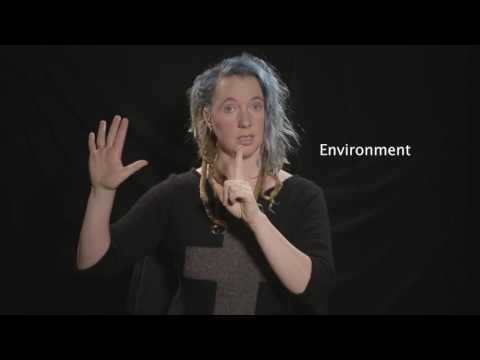
- Start with your dominant hand in a “5” handshape, fingers spread wide.
- Position your hand in front of your chest, palm facing towards you.
- Bring your hand upwards, slightly tilting it forward as you move it away from your body.
- As you move your hand, close your fingers together into a loose fist, maintaining a gentle upward movement.
- Complete the sign with a relaxed facial expression that conveys a sense of ease and authenticity.
Common Mistakes
- Forgetting to use a relaxed facial expression, which can affect the meaning.
- Using a tight or stiff handshape instead of a more relaxed one.
- Not moving the hand away from the body enough, which can make the sign unclear.
Related Signs
- 1 – Represents the number one.
- 1 Dollar – Sign for one dollar or currency.
- 10 – Represents the number ten.
- 100 – Represents the number one hundred.
- 11 – Represents the number eleven.
Using “Natural” in Everyday Conversations
The sign “Natural” is commonly used in various conversational contexts within the Deaf community. Here are a few example sentences that illustrate its use:
- “This view is so natural.” (SIGN: THIS VIEW NATURAL) – You might use this sign while admiring a beautiful landscape with friends.
- “She prefers a natural look.” (SIGN: SHE PREFER NATURAL LOOK) – This could come up in discussions about makeup and personal style during a casual outing.
- “I love natural therapies.” (SIGN: I LOVE NATURAL THERAPIES) – This might be expressed in a conversation about health and wellness choices at a community gathering.
In these situations, the use of “Natural” conveys a sense of authenticity and appreciation for what is unaltered or genuine, reflecting cultural values in discussions among friends and peers.
Cultural Notes
The sign “Natural” carries significant cultural weight within the Australian Deaf community. It often represents more than just the literal meaning; it can convey a deep appreciation for the environment, personal authenticity, and a connection to nature. In conversations about identity or lifestyle, using “Natural” can signal a preference for simplicity and honesty.
In terms of dialect, while “Natural” is widely understood across Australia, some regional variations might slightly change the way the sign is executed, especially between northern and southern communities. Observing local signing habits can enhance understanding and fluency.
Tips for Learning This Sign
Practicing the sign “Natural” effectively can enhance your Auslan skills. Here are some practical tips:
- Mirror Practice: Stand in front of a mirror to observe your own signing. This helps ensure your hand shapes and movements are accurate.
- Watch for Non-Manual Features: Pay attention to facial expressions and body language while signing “Natural.” Non-manual features add meaning and context to your sign.
- Use in Short Signed Sentences: Incorporate “Natural” into brief conversations with peers or practice partners. Using it in context will help reinforce your memory and understanding of the sign.
By consistently working on these practices, you can confidently integrate “Natural” into your Auslan vocabulary.
Frequently Asked Questions
How can I use “natural” in a sentence?
You can say, “I prefer natural foods,” which would be signed as “I prefer natural foods” using the sign for “natural.”
Are there regional variations for this sign?
While the sign for “natural” is generally consistent, some regions may have slight variations in movement or facial expressions.
What are some signs similar to “natural”?
Similar signs include “organic,” “authentic,” and “genuine,” each with its own nuances in meaning.
How does this sign compare to BSL?
In British Sign Language (BSL), the sign for “natural” is different, highlighting the diversity of signs across different sign languages.
What are some teaching tips for this sign?
Practice in front of a mirror to ensure your handshape and facial expressions are relaxed and clear. Also, try using the sign in context to reinforce learning.
Practice This Sign
Try signing Natural In Auslan with your camera and get AI coaching on your handshape, movement, and location.
Free · No signup required