
Napoleon in Australian Sign Language (Auslan)
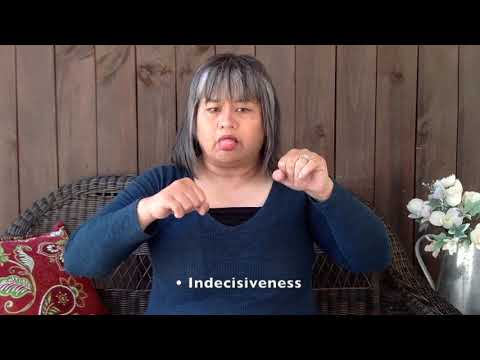
The sign for “Napoleon” in Auslan is often used to refer to the historical figure, Napoleon Bonaparte, or in discussions about history, leadership, or French culture. This sign captures both the essence of his stature and his significance in history. It can be used in educational settings or casual conversations when discussing historical topics.
Table of Contents
How to Sign “Napoleon”
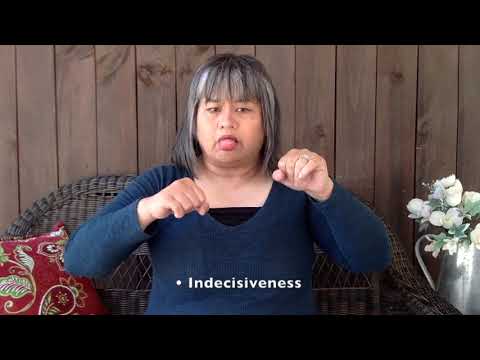
- Start with your dominant hand in a flat, open handshape, palm facing down.
- Position your hand at forehead height, with your fingers spread apart slightly.
- Move your hand forward in a small arc, while tilting your head slightly forward to show focus.
- As you complete the forward movement, maintain a serious or thoughtful facial expression to convey the historical significance.
Common Mistakes
- Not using the appropriate handshape; ensure your hand is flat and open.
- Moving the hand too far or too quickly, which can lose the meaning of the sign.
- Neglecting facial expressions; they are crucial for conveying the context and emotion behind the sign.
Related Signs
- 1 – The sign for the number one, often used in counting or indicating a singular item.
- 1 Dollar – This sign represents currency and can be used in discussions about money.
- 100 – A sign to indicate the number one hundred, useful in various numeric contexts.
- 10 – This sign is used for the number ten, important for counting.
- 11 – Representing the number eleven, often used in numerical contexts.
Using “Napoleon” in Everyday Conversations
In everyday conversations, the sign for “Napoleon” can come up in various contexts, especially when discussing history, leadership, or significant figures. Here are a few example sentences that illustrate how to use this sign naturally:
-
Example 1: “Napoleon was a great military leader.”
(Sign: “Napoleon” + “great” + “military” + “leader”)
-
Example 2: “I read a book about Napoleon’s strategies.”
(Sign: “I” + “read” + “book” + “about” + “Napoleon” + “strategies”)
-
Example 3: “Did you know Napoleon was crowned in 1804?”
(Sign: “Did” + “you” + “know” + “Napoleon” + “crowned” + “1804”)
These examples show how the sign can be incorporated into discussions about historical events or figures, making it a useful addition to your Auslan vocabulary.
Cultural Notes
The sign for “Napoleon” holds significance within the Australian Deaf community, particularly in discussions of history and cultural education. Napoleon Bonaparte is often referenced not only for his military conquests but also as a symbol of ambition and complex leadership. In informal settings, Deaf community members might use the sign when sharing stories or engaging in debates about historical figures, reflecting a shared cultural understanding of his impact on world history.
While Auslan is relatively uniform across Australia, some regional dialect variations may influence the signing of “Napoleon.” In the northern regions, there may be subtle differences in the sign’s execution or accompanying non-manual features. Being aware of these nuances can enhance comprehension and fluency in different contexts.
Tips for Learning This Sign
To effectively learn and remember the sign for “Napoleon,” try the following methods:
- Mirror Practice: Use a mirror to observe your handshape and movements as you practice the sign. This visual feedback can help you refine your technique.
- Focus on Non-Manual Features: Pay attention to facial expressions and body language that accompany the sign. Non-manual features can add important context and emotion to your signing.
- Incorporate in Short Sentences: Use the sign in simple sentences with other vocabulary you’re familiar with. This contextual practice reinforces memory and builds fluency.
By integrating these techniques into your practice routine, you’ll greatly enhance your ability to remember and use the sign for “Napoleon” effectively in conversation.
Frequently Asked Questions
How do I use “Napoleon” in a sentence?
You might say, “My favorite historical figure is Napoleon,” and then sign “Napoleon” after the word “is.”
Are there regional variations for this sign?
While “Napoleon” is generally consistent, some regions may have slight variations in movement or handshape. It’s good to learn from local signers.
Are there similar signs to “Napoleon”?
Other signs for historical figures might share similar hand movements, but each has unique characteristics. Always practice them to see the differences.
How does this sign compare to BSL?
The British Sign Language (BSL) sign for “Napoleon” might differ significantly. It’s beneficial to learn both Auslan and BSL if you’re communicating with a diverse audience.
What tips do you have for teaching this sign?
Encourage students to practice in pairs, focusing on facial expressions and movement. Watching native signers can also help improve accuracy.
Practice This Sign
Try signing Napoleon In Auslan with your camera and get AI coaching on your handshape, movement, and location.
Free · No signup required