
Nap in Australian Sign Language (Auslan)

The sign for “nap” in Auslan conveys the idea of taking a short sleep, often used when discussing rest or relaxation. It’s a common expression among both children and adults, particularly when talking about daily routines or moments of downtime. This sign can be used in various contexts, including at home, school, or during conversations about self-care.
Table of Contents
How to Sign “Nap”
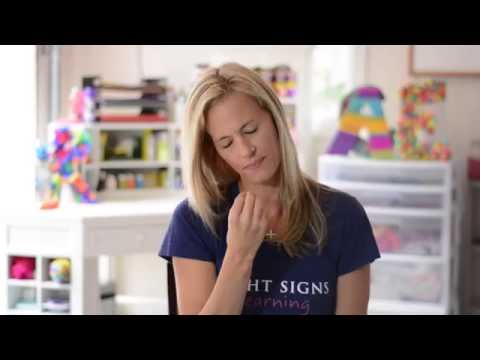
- Begin with your dominant hand in a flat handshape (like the letter ‘B’).
- Position your hand near your cheek, as if you’re resting your head on a pillow.
- Gently tilt your head to the side, as if you are actually sleeping.
- Maintain a relaxed facial expression to convey the peacefulness of napping.
Common Mistakes
- Some learners may confuse the sign for “nap” with the sign for “sleep,” using a different handshape or position.
- Forgetting to maintain a relaxed facial expression can make the sign appear less authentic.
- Using too much movement; the sign for “nap” should be gentle and still, reflecting the calmness of resting.
Related Signs
- Sleep – A sign indicating a longer period of rest.
- Rest – To take a break or pause, often used interchangeably with nap.
- Quiet – A sign indicating silence, often used when discussing a peaceful environment for napping.
Using “Nap” in Everyday Conversations
The sign “Nap” can be easily integrated into everyday conversations, especially when discussing routines, schedules, or personal preferences. Here are a few examples of how it can be used:
- Example 1: “After lunch, I like to take a nap.” (Lunch, I, Nap, Like)
- Example 2: “The baby is napping right now.” (Baby, Now, Nap)
- Example 3: “I need a nap before the party.” (I, Need, Nap, Before, Party)
These situations often arise in casual conversations among friends, family, or in contexts involving childcare. Using the sign “Nap” in these scenarios helps convey your message clearly and effectively.
Cultural Notes
In the Australian Deaf community, taking a nap is often seen as a natural part of daily life, particularly for those with hearing loss who may expend additional energy during social interactions. Napping is culturally accepted and not seen as a sign of laziness. It’s common to discuss napping openly, reflecting a shared understanding of the need to recharge.
When it comes to dialect variations, while the sign for “Nap” remains fairly consistent across Australia, some differences in facial expressions or speed may occur. For instance, in more northern regions, the sign might be produced with a slightly more relaxed demeanor compared to the southern areas, where it may appear a bit more pronounced. This reflects the diversity within the Deaf community in Australia.
Tips for Learning This Sign
Practicing the sign “Nap” can be fun and effective with a few simple techniques:
- Mirror Practice: Use a mirror to watch your own movements as you sign “Nap.” This helps ensure you are forming the sign correctly and can also assist in refining your facial expressions.
- Observe Non-Manual Features: Pay attention to the facial expressions and body language that accompany the sign. These features add nuance and meaning, enhancing your overall communication.
- Short Signed Sentences: Incorporate “Nap” into short sentences during practice. This will help reinforce your memory and make the sign feel more natural in conversation.
Consistent practice using these tips will not only help you remember the sign but also improve your overall Auslan skills.
Frequently Asked Questions
Can I use “nap” in a sentence?
Yes! For example, you can say, “I need a nap” by combining the sign for “I” followed by “need” and then “nap.”
Are there regional variations for this sign?
Yes, some regions may have slight variations in handshape or movement, so it’s helpful to observe local users.
What is the difference between “nap” and “sleep”?
“Nap” refers to a short sleep, while “sleep” is used for a longer duration of rest.
How does this sign compare to BSL?
In BSL (British Sign Language), the sign for “nap” may look different, emphasizing the importance of learning the specific sign for each language.
What are some teaching tips for this sign?
Practice in front of a mirror to ensure your facial expressions match the sign’s meaning, and encourage learners to use it in everyday conversations.
Practice This Sign
Try signing Nap In Auslan with your camera and get AI coaching on your handshape, movement, and location.
Free · No signup required