
Nationality in Australian Sign Language (Auslan)
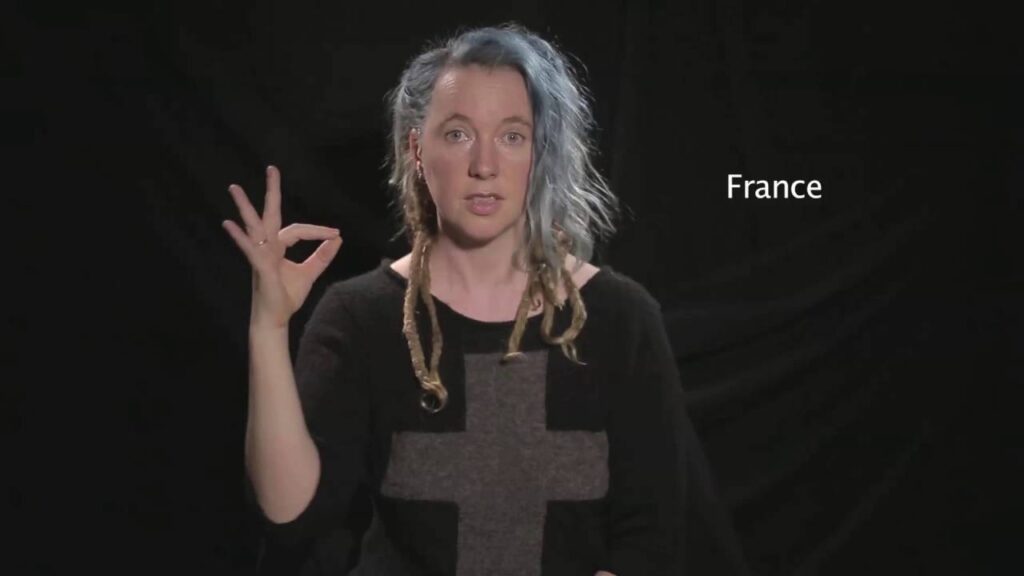
The sign for “nationality” in Auslan is used to indicate a person’s nationality or ethnic background. This sign is commonly used during introductions, conversations about cultural identity, or when discussing global events. Understanding how to express nationality fosters connections and promotes inclusivity within the Deaf community.
Table of Contents
How to Sign “Nationality”
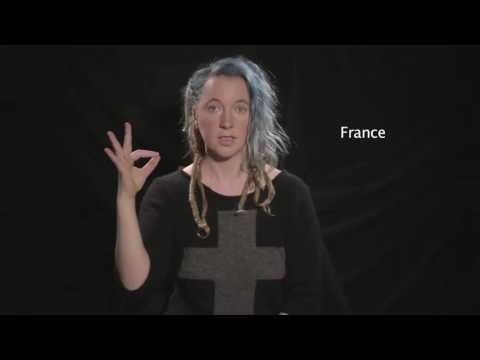
- Start with your dominant hand in a flat “B” handshape (the palm facing down).
- Position your hand near your chest, with your fingers pointing towards your body.
- Move your hand forward and slightly away from your body, maintaining the “B” shape.
- As you move your hand, keep a neutral facial expression or a slight smile to convey openness.
Common Mistakes
- Some learners may use the wrong handshape; ensure you use the flat “B” handshape instead of a fist.
- Another common error is not moving the hand forward enough, which can lead to confusion about the sign’s meaning.
- Facial expressions can be overlooked; remember to convey the appropriate emotion to enhance understanding.
Related Signs
- 1 – A basic sign for the number one.
- 1 Dollar – A sign indicating the amount of one dollar.
- 10 – The sign for the number ten.
- 100 – The sign representing one hundred.
- 11 – A sign for the number eleven.
Using “Nationality” in Everyday Conversations
Understanding how to use the sign for “nationality” can enhance your conversations in Auslan. Here are a few example sentences that illustrate natural contexts where this sign comes up:
- Question: “You Australian?” (sign: YOU NATIONALITY AUSTRALIAN?)
Context: Asking someone about their nationality in a casual setting, such as at a social gathering. - Statement: “I am British.” (sign: I NATIONALITY BRITISH.)
Context: Introducing yourself or sharing your background during a conversation. - Fact: “She is of Italian descent.” (sign: SHE NATIONALITY ITALIAN.)
Context: Discussing someone’s heritage when talking about family or cultural backgrounds.
Cultural Notes
The sign for “nationality” holds significant meaning within the Australian Deaf community, reflecting the diverse backgrounds of Deaf individuals. Many Deaf people may identify with their cultural roots while also embracing their Deaf identity. It’s common to see discussions around nationality in various cultural events, such as festivals or community gatherings.
In terms of dialects, Auslan can have variations based on regions. For instance, some aspects of the sign may differ slightly between northern and southern Australia, though the core meaning remains the same. Engaging with local Deaf communities can provide insight into these nuances and enrich your understanding of how nationality is expressed in different contexts.
Tips for Learning This Sign
Practicing the sign for “nationality” can be both fun and rewarding. Here are some effective methods:
- Mirror Practice: Stand in front of a mirror and practice the sign. This helps you observe your hand shapes and movements, ensuring accuracy.
- Watch for Non-Manual Features: Pay attention to facial expressions and body language when signing. These features can add emphasis and clarity to the sign.
- Use it in Sentences: Create short, simple sentences that include the sign for “nationality.” For example, you might practice with friends or classmates to reinforce your learning in a conversational context.
By incorporating these tips into your practice routine, you’ll find it easier to remember and use the sign for “nationality” effectively in your Auslan conversations.
Frequently Asked Questions
How can I use “nationality” in a sentence?
You can say, “I am American” by signing “I” (point to yourself), followed by “nationality” and then the sign for “America.”
Are there regional variations for this sign?
While the sign is generally consistent, some regions may have slight variations in movement or facial expressions. It’s best to observe local Deaf communities for nuances.
Are there similar signs to “nationality”?
Yes, signs for specific nationalities (like “American” or “Australian“) typically modify the base sign for nationality with additional movements or handshapes.
How does this sign compare to BSL?
In British Sign Language (BSL), the sign for nationality may differ significantly. It’s helpful to learn both if interacting with Deaf communities in different regions.
What teaching tips can help with this sign?
Practice in front of a mirror to ensure proper handshape and movement. Also, role-play conversations where you might need to use the sign to reinforce learning.
Practice This Sign
Try signing Nationality In Auslan with your camera and get AI coaching on your handshape, movement, and location.
Free · No signup required