
Machinery in Australian Sign Language (Auslan)
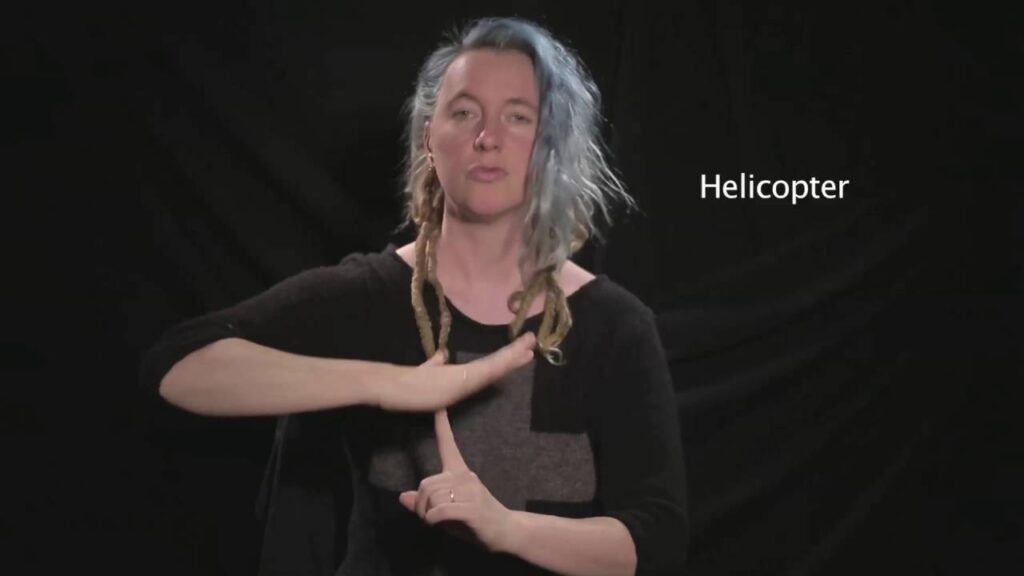
The sign for “machinery” in Auslan refers to various mechanical devices or systems used in industries. It’s commonly used in discussions about engineering, manufacturing, and technology. Understanding this sign is essential for effective communication in these fields.
Table of Contents
How to Sign “Machinery”
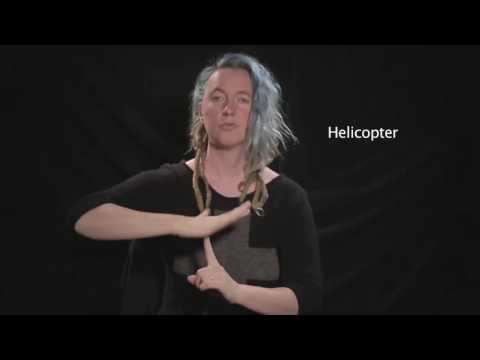
- Start with both hands in a flat shape, palms facing down.
- Position your hands in front of your body, about shoulder-width apart.
- Move your hands in a circular motion, mimicking the action of gears turning.
- Maintain a neutral facial expression, but you can add emphasis by raising your eyebrows slightly to show interest or importance.
Common Mistakes
- Using the wrong hand shape; remember to keep your hands flat.
- Not making enough movement; the sign should reflect the dynamic aspect of machinery.
- Over-exaggerating facial expressions, which can distract from the sign itself.
Related Signs
- 1 – The sign for the number one.
- 1 Dollar – Sign for one dollar in currency.
- 10 – The sign for the number ten.
- 100 – The sign for the number one hundred.
- 11 – The sign for the number eleven.
Using “Machinery” in Everyday Conversations
The sign for “Machinery” is often used in discussions related to work, construction, and technology. Here are a few example sentences that illustrate how it can be integrated into everyday conversations:
- Sentence 1: “MACHINERY at the site is very modern.” (This might come up in a construction meeting or when talking about upgrades.)
- Sentence 2: “I operate MACHINERY for my job.” (This could be used when discussing career paths or job responsibilities.)
- Sentence 3: “The MACHINERY broke down yesterday.” (This might be relevant in a casual chat about work challenges.)
By incorporating this sign into everyday conversations, you’ll not only enhance your Auslan skills but also connect more deeply with the Deaf community’s discussions about work and technology.
Cultural Notes
In the Australian Deaf community, the term “Machinery” encompasses more than just the physical equipment; it can also reflect the community’s appreciation for technology and its role in enhancing accessibility. The sign is used frequently in vocational contexts, underscoring the importance of skilled trades within the Deaf workforce. While Auslan is generally uniform across Australia, there may be slight variations in signing preferences between northern and southern regions. For instance, some Deaf individuals in the south may incorporate additional non-manual features to convey context, while northern signers might focus more on the clarity of the sign itself.
Tips for Learning This Sign
To effectively learn and remember the sign for “Machinery,” consider the following techniques:
- Mirror Practice: Stand in front of a mirror and practice the sign while observing your movements. This helps you see if your hand shape and movement are accurate.
- Watch for Non-Manual Features: Pay attention to facial expressions and body language that accompany the sign. These features can add depth and context to your signing.
- Use it in Short Signed Sentences: Create simple sentences using “Machinery” in various contexts. The more you use it, the more familiar it will become.
Regular practice and engagement with the Deaf community will reinforce your learning and build your confidence in using the sign effectively.
Frequently Asked Questions
How can I use “machinery” in a sentence?
You can say, “The machinery in the factory is very advanced,” by signing “machinery” followed by your sentence structure.
Are there regional variations for this sign?
Yes, some regions may have slight variations in the sign, so it’s good to learn from local Deaf communities.
What are some similar signs to “machinery”?
Signs like “engine” or “device” may have similar movements or hand shapes.
How does this sign compare to BSL?
While there are similarities, the sign for “machinery” in BSL may differ in hand shape and movement, reflecting the unique grammar of each language.
Any tips for teaching this sign to beginners?
Encourage students to practice the circular motion while maintaining a flat hand shape, and emphasize the importance of clear facial expressions.
Practice This Sign
Try signing Machinery In Auslan with your camera and get AI coaching on your handshape, movement, and location.
Free · No signup required