
Letters in Australian Sign Language (Auslan)
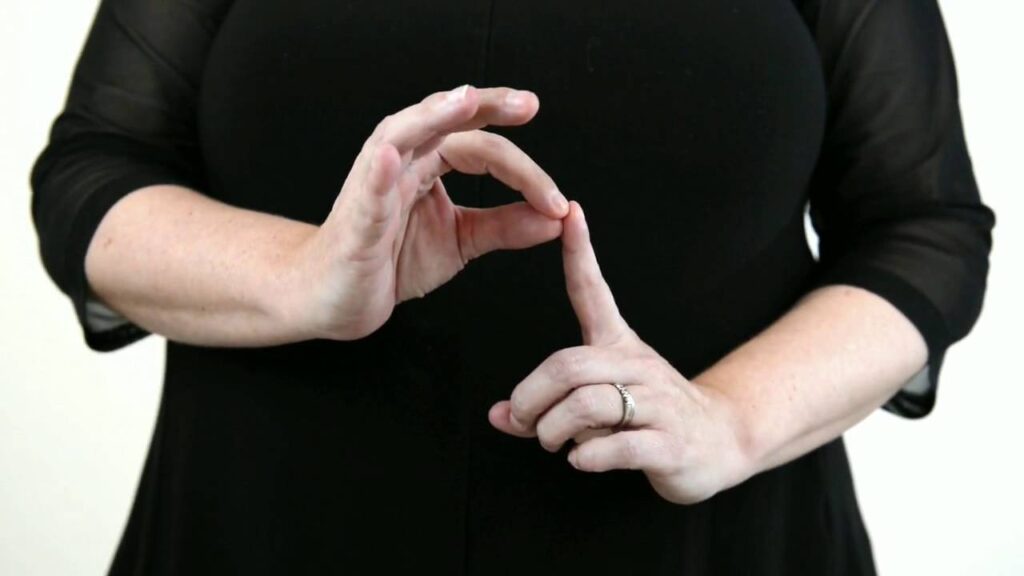
The sign for “Australian Sign Language letters” refers to the specific fingerspelling used in Auslan (Australian Sign Language). This sign is commonly used when spelling out names, places, or specific words in conversations, particularly when clarity is needed. It showcases the unique aspects of Auslan compared to other sign languages.
Table of Contents
How to Sign “Letters”
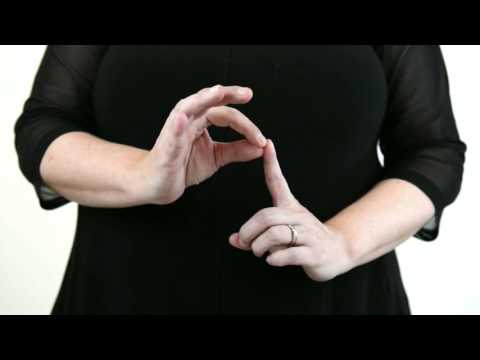
- Start with your dominant hand in a flat position, palm facing forward.
- Form your hand into a fist while keeping your thumb extended alongside the fingers.
- Position your hand slightly in front of your chest, at shoulder height.
- Maintain a neutral facial expression; however, you can add emphasis with your eyebrows while spelling.
- Move your hand in a slight circular motion to indicate the concept of “letters” as you spell out different words.
Common Mistakes
- Forgetting to use the correct handshape can lead to confusion with other signs.
- Not maintaining the right facial expressions, which can affect the clarity of the sign.
- Rushing through the spelling process, making it difficult for others to follow along.
Related Signs
- (Auslan) – The sign language used in Australia.
- 1 – The sign for the number one.
- 10 – The sign for the number ten.
- 100 – The sign for the number one hundred.
- 15 – The sign for the number fifteen.
Using “Letters” in Everyday Conversations
The sign “Letters” can be incorporated into various everyday conversations, particularly when discussing communication, education, or personal experiences. Here are a few example sentences that demonstrate how to use this sign naturally:
- MY FRIEND SEND ME LETTERS. (when talking about receiving letters from a friend)
- LETTERS GOOD FOR LEARNING. (when discussing the importance of letters in education)
- DO YOU LIKE TO WRITE LETTERS? (when asking someone about their writing habits)
These examples show how “Letters” fits into discussions about correspondence, education, and personal interests. Using the sign in these contexts can help reinforce its meaning and importance.
Cultural Notes
In the Australian Deaf community, the concept of “Letters” carries significance beyond mere written communication. It reflects the importance of literacy and education within the community, often highlighting the historical struggles for access to quality education for Deaf individuals. In addition, letters and written communication have played a vital role in connecting Deaf people across distances, particularly before digital communication became widespread.
Dialect variation can be observed in the use of “Letters” among Deaf communities in Australia. In some northern regions, signs may incorporate more regional influences, while southern areas might have subtle differences in how the sign is executed. These variations are a testament to the rich diversity within the Auslan language and the unique cultural experiences of Deaf Australians.
Tips for Learning This Sign
To effectively learn and remember the sign “Letters,” consider the following practical strategies:
- Mirror Practice: Stand in front of a mirror and practice the sign. This allows you to see your own movements and ensure they match the correct form.
- Watch for Non-Manual Features: Pay attention to facial expressions and body language when practicing. Non-manual features play a crucial role in Auslan and can enhance the meaning of the sign.
- Use It in Short Signed Sentences: Incorporate “Letters” into spontaneous conversations or practice dialogues. This aids in reinforcing your memory and helps you become comfortable using the sign in various contexts.
With consistent practice and engagement, you’ll find that using “Letters” in Auslan becomes second nature!
Frequently Asked Questions
How can I use “letters” in a sentence?
You can use the sign “letters” when you want to explain that you’re going to spell something out, such as, “I will sign the letters of my name.”
Are there regional variations of this sign?
Yes, variations exist based on the region in Australia. Some signs may differ slightly depending on local dialects within Auslan.
What are some similar signs in ASL?
Similar signs include fingerspelling in general and specific letters like “A” or “B,” which are used in various contexts.
How does Auslan compare to BSL?
Auslan and British Sign Language (BSL) have different signs and structure. While they share some similarities, they are distinct languages with unique characteristics.
What are some tips for teaching this sign?
Encourage learners to practice with real words and names to reinforce the concept. Pairing the sign with visual aids can also help solidify understanding.
Practice This Sign
Try signing Letters with your camera and get AI coaching on your handshape, movement, and location.
Free · No signup required