
Laps in Australian Sign Language (Auslan)

In Auslan, “laps” describes the idea of completing a circuit or round, typically linked to activities such as running, swimming, or racing. Frequently utilized in sports discussions, this term is relevant when talking about distance and progress. Its use can enhance communication in both casual and competitive settings.
Table of Contents
How to Sign “Laps”
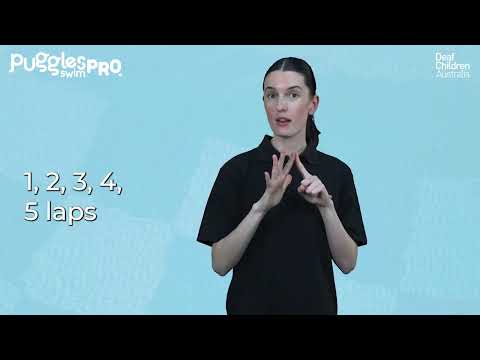
- Start with your dominant hand in a flat handshape (like a “B” handshape) facing down.
- Position your hand in front of your body at about waist level.
- Move your hand in a circular motion to the right, as if tracing the outline of a lap.
- Continue the circular motion for the number of laps you want to indicate, using facial expressions to emphasize the action.
Common Mistakes
- Not using enough motion; the circular path should be clear and pronounced.
- Using the wrong handshape; a flat handshape is essential to convey the sign accurately.
- Failing to incorporate facial expressions, which adds context and helps convey the meaning.
Related Signs
- 1 – Sign for the number one.
- 10 – Sign for the number ten.
- 100 – Sign for the number one hundred.
- 12 – Sign for the number twelve.
- 15 – Sign for the number fifteen.
Using “Laps” in Everyday Conversations
The sign “Laps” can be integrated into various everyday conversations, especially when discussing activities like swimming, running, or even in metaphorical contexts such as time management. Here are a few example sentences that demonstrate how to use “Laps” in Auslan:
- “I swam ten laps today.”
(Sign: I + swim + 10 + laps + today) - “How many laps did you run this morning?”
(Sign: You + how many + laps + run + this morning?) - “We need to do a few laps of the track before the race.”
(Sign: We + need + do + few + laps + track + before + race)
These examples typically arise in discussions about physical activities, fitness routines, or even in casual chats about weekend plans, showcasing the versatility of the sign in everyday dialogue.
Cultural Notes
In the Australian Deaf community, “Laps” is more than just a sign; it can denote a shared experience, particularly in sporting contexts such as swimming competitions. The significance of community events, like Deaf sports days, often highlights the role of physical activity in fostering connections and camaraderie among Deaf individuals.
While Auslan is relatively uniform across Australia, some regional variations may exist. For instance, in northern areas, you may encounter a slight difference in the fluidity of the sign, reflecting local signing styles. It’s essential to be aware of these nuances, as they can enrich your understanding of the language and its cultural context.
Tips for Learning This Sign
To effectively learn and remember the sign “Laps,” consider the following practical tips:
- Mirror Practice: Stand in front of a mirror while signing. This allows you to observe your hand shapes and movements, ensuring they match the correct sign.
- Focus on Non-Manual Features: Pay attention to facial expressions and body language that accompany the sign. These non-manual features can convey additional meaning and context.
- Use in Short Signed Sentences: Incorporate “Laps” into simple sentences related to your daily activities. Practicing in context will help reinforce your memory and understanding of the sign.
By consistently practicing these methods, you’ll become more fluent and comfortable with using “Laps” in your conversations, making it a natural part of your Auslan vocabulary.
Frequently Asked Questions
How can I use “laps” in a sentence?
You can say, “I completed five laps at the track,” by signing “I” + the sign for “five laps” + “at track.”
Are there regional variations for this sign?
Yes, some areas may have slight variations in handshape or movement, but the general concept remains the same.
What are some similar signs to “laps”?
Signs for “round,” “race,” or “track” are related as they all involve movement and distance in a similar context.
How does “laps” compare to BSL?
In BSL, the sign may differ in handshape and movement, but the basic concept of completing rounds is similar.
What are some teaching tips for this sign?
Encourage students to use large, clear movements and to practice with a partner to get feedback on their signing.
Practice This Sign
Try signing Laps In Auslan with your camera and get AI coaching on your handshape, movement, and location.
Free · No signup required