
Race in Australian Sign Language (Auslan)
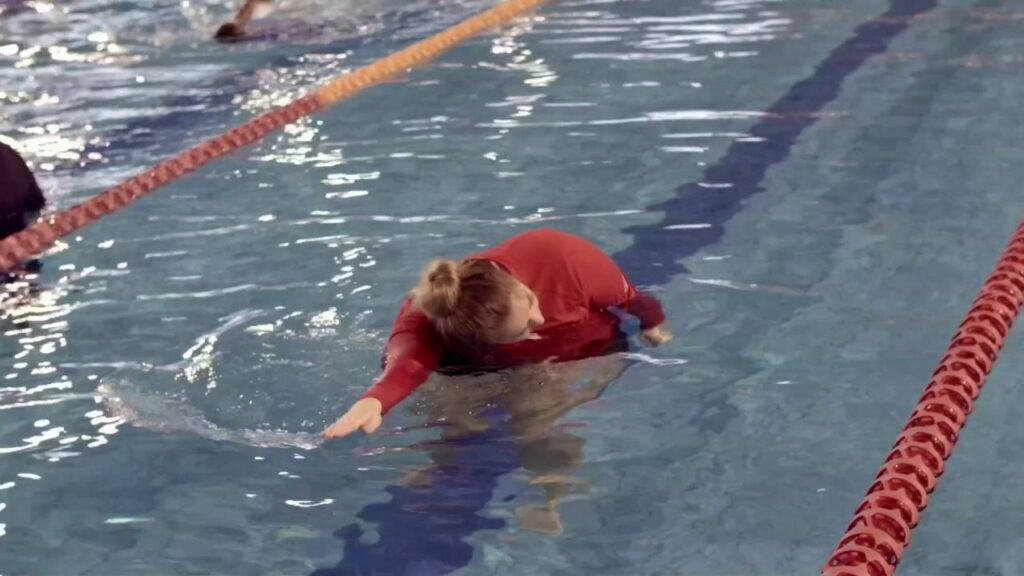
The sign for “race” in Auslan (Australian Sign Language) is used to describe a competition of speed, whether in running, driving, or any other context involving speed and competition. It’s commonly utilized in conversations about sports, events, or friendly challenges. This sign is an essential part of discussing various forms of competition in the Deaf community.
How to Sign “Race”
- Start with your dominant hand in a flat handshape (palm facing down).
- Position your hand at waist level, slightly in front of you.
- Using your dominant hand, make a quick forward motion, as if you are mimicking the action of speeding off in a race.
- Maintain an expressive facial expression that conveys excitement or urgency, as this enhances the meaning of the sign.
Common Mistakes
- Holding the hand too close to the body, which can make the sign unclear. Ensure it is extended forward.
- Not using enough movement; the sign should be dynamic to reflect the energy of a race.
- Neglecting facial expressions, which are crucial in Auslan to convey emotion and context.
Related Signs
- 1 – The sign for the number one, which can be used in various contexts.
- 10 – The sign for the number ten, useful in counting and competitions.
- 100 – Represents the number one hundred, often used in discussions about race distances.
- 15 – The sign for fifteen, which can be relevant in age or score contexts.
Frequently Asked Questions
How can I use “race” in a sentence?
You can say, “I want to race my friend,” by signing “I” + “WANT” + “RACE” + “FRIEND.”
Are there regional variations for this sign?
Yes, some regions may have slight variations in handshape or movement, so it’s good to learn from local Deaf community members.
What are similar signs to “race”?
Similar signs include “run” and “competition,” which focus more on the action rather than the event itself.
How does this compare to BSL?
In British Sign Language (BSL), the sign for “race” may differ significantly in both handshape and movement, reflecting the unique characteristics of each sign language.
Any tips for teaching this sign?
Encourage learners to practice with a partner to refine their movement and expressions, and offer feedback to improve clarity.
Is there a specific context where this sign is more commonly used?
This sign is often used in sports contexts, especially when discussing competitions like running events or car races.
Practice This Sign
Try signing Race In Auslan with your camera and get AI coaching on your handshape, movement, and location.
Free · No signup required