
Labor in Australian Sign Language (Auslan)
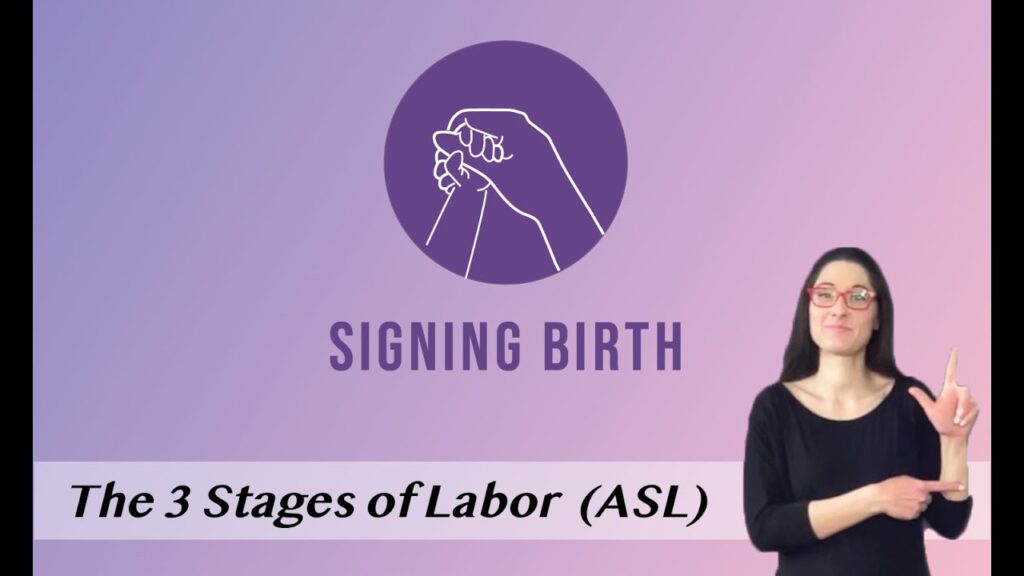
The sign for “labor” in Auslan refers to the process of giving birth or the act of labor during pregnancy. It is commonly used in discussions about childbirth, pregnancy, and related health topics. This sign can also be relevant in contexts involving healthcare providers, family discussions, or educational settings focused on maternal health.
Table of Contents
How to Sign “Labor”
- Start with your dominant hand in a flat shape, palm facing down.
- Position your dominant hand above your non-dominant hand, which is also flat and palm facing up, as if you are representing two layers.
- Gently move your dominant hand downwards toward your non-dominant hand, simulating the process of something descending or laboring.
- Maintain a neutral facial expression or a slightly concerned look to convey the seriousness of labor.
Common Mistakes
- Confusing the movement with signs that represent other medical processes, leading to incorrect interpretations.
- Neglecting facial expressions, which are crucial for conveying the emotional context of the sign.
- Using the wrong hand shape; ensure both hands are flat to accurately depict the concept of labor.
Related Signs
- 1 – The sign for the number one.
- 1 Dollar – The sign representing one dollar currency.
- 10 – The sign for the number ten.
- 100 – The sign for the number one hundred.
- 11 – The sign for the number eleven.
Using “Labor” in Everyday Conversations
The sign “Labor” can be integrated into various everyday conversations, particularly in contexts related to work, employment, or specific industries. Here are a few examples of how to use the sign naturally:
- “I have a labor meeting tomorrow.”
- Auslan sign order: “I TOMORROW LABOR MEETING HAVE.”
- “She works in labor relations.”
- Auslan sign order: “SHE LABOR RELATIONS WORKS.”
- “They are discussing labor laws.”
- Auslan sign order: “THEY LABOR LAWS DISCUSSING ARE.”
These examples illustrate how “Labor” can come up in professional settings, discussions about workplace issues, and legal matters concerning employment rights.
Cultural Notes
In the Australian Deaf community, the term “Labor” not only refers to work but also resonates with social justice themes. Many Deaf individuals advocate for fair labor practices and inclusivity in the workplace. The sign “Labor” is often used in discussions about workers’ rights, especially during community events or forums aimed at raising awareness about employment issues faced by Deaf and hard-of-hearing individuals.
It’s important to be aware that regional dialects may influence how “Labor” is signed across Australia. While the core sign remains consistent, some variations in movement or facial expressions might occur between northern and southern regions. Engaging with local Deaf communities can provide insights into these nuances.
Tips for Learning This Sign
Practicing the sign “Labor” effectively requires a blend of visual and experiential learning. Here are some tips to help you master it:
- Mirror Practice: Use a mirror to practice the sign while watching your own movements. This helps ensure you are forming the sign correctly and using appropriate facial expressions.
- Focus on Non-Manual Features: Pay attention to your facial expressions and body language while signing. These non-manual features can convey meaning and emotion, enhancing your communication.
- Incorporate into Short Sentences: Use “Labor” in simple sentences with other signs you know. For example, practice saying “I work in labor” or “Labor laws are important” to build confidence in your usage.
Consistent practice in varied contexts will help reinforce your understanding and ability to use the sign fluently.
Frequently Asked Questions
How can I use “labor” in a sentence?
You might say, “She is in labor,” which would be signed as “SHE LABOR.” This conveys that the individual is currently experiencing labor.
Are there regional variations for this sign?
Yes, while the basic sign remains consistent, some regions may have slight variations in movement or facial expressions. It’s best to observe local signers.
What signs are similar to “labor”?
Signs for “birth,” “pregnancy,” and “delivery” are related and often used in conjunction with “labor” during discussions about childbirth.
How does this sign compare to BSL?
In British Sign Language (BSL), the sign for “labor” might look different, reflecting unique grammar and structure. It’s beneficial to learn both ASL and BSL for broader communication.
Any tips for teaching this sign?
Encourage learners to practice with a partner to get feedback on hand shapes and expressions. Use role-playing scenarios to enhance understanding of the context where this sign is used.
Practice This Sign
Try signing Labor In Auslan with your camera and get AI coaching on your handshape, movement, and location.
Free · No signup required