
Jean in Australian Sign Language (Auslan)

The sign for “jean” in Auslan refers to denim trousers, commonly worn in casual settings. You might use this sign when discussing fashion, shopping, or describing what someone is wearing. It’s a useful sign for everyday conversations about clothing.
Table of Contents
How to Sign “Jean”
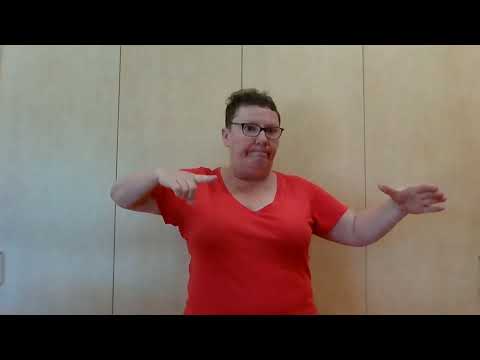
- Start with your dominant hand in a flat handshape (like a ‘B’ handshape) with your fingers together.
- Position your hand in front of your torso, palm facing towards you, at about waist height.
- Move your hand downwards slightly, mimicking the action of pulling up or adjusting jeans.
- Ensure your facial expression is neutral or slightly engaged, as this adds to the clarity of the sign.
Common Mistakes
- Forgetting to keep the fingers together in the flat handshape, which can change the meaning of the sign.
- Moving the hand too far away from the body, making the sign less recognizable.
- Neglecting facial expressions, which are vital in Auslan for conveying tone and context.
Related Signs
- Shirt – This sign represents a top garment, similar to jeans in clothing discussions.
- Pants – A broader term for lower garments, which includes jeans.
- Shoes – Often discussed alongside clothing like jeans.
- Style – Useful when talking about fashion choices and preferences.
- Store – Relevant when discussing where to buy jeans.
Using “Jean” in Everyday Conversations
Incorporating the sign for “Jean” into your everyday conversations can make interactions more engaging and personal. Here are a few example sentences where you might naturally use this sign:
- “I saw Jean yesterday at the café.” (Sign for “I” + “see” + “Jean” + “yesterday” + “café”)
- “Jean loves to play basketball.” (Sign for “Jean” + “love” + “play” + “basketball”)
- “Have you talked to Jean about the party?” (Sign for “you” + “talk” + “Jean” + “about” + “party”)
These examples can come up in casual conversations among friends or during group discussions. Using the sign for “Jean” helps to create connections and foster a sense of community.
Cultural Notes
The sign for “Jean” holds significance within the Australian Deaf community, where names often carry personal and social meaning. In many cases, Deaf individuals might choose signs that are unique to their experiences or relationships with others, reflecting their identity and cultural background. Additionally, there may be slight regional variations in how the sign is produced, particularly between northern and southern dialects in Australia. It’s beneficial to observe and learn from native signers in your area to gain insights into these subtle differences.
Tips for Learning This Sign
To effectively learn and remember the sign for “Jean,” consider these practical tips:
- Mirror Practice: Use a mirror to practice the sign. This allows you to see your handshape and movements, ensuring they match the correct formation.
- Watch for Non-Manual Features: Pay attention to facial expressions and body language that accompany the sign. These non-manual features can add emphasis and clarity to your signing.
- Use in Short Signed Sentences: Incorporate “Jean” into brief sentences during practice. This helps reinforce your understanding and builds confidence in using the sign in context.
Consistent practice and engagement with the Deaf community will enhance your skills and facilitate a deeper connection to Auslan.
Frequently Asked Questions
How would I use “jean” in a sentence?
You can sign, “I have a new pair of jeans,” by signing “I” + “have” + “new” + “jeans.”
Are there regional variations of this sign?
Yes, some regions may have slight variations in handshape or movement, so it’s beneficial to observe local signers.
What is a similar sign to “jean”?
The sign for “pants” is similar but is a broader term that includes jeans.
How does “jean” compare to British Sign Language (BSL)?
In BSL, the sign for jeans may differ, so it’s helpful to learn the specific signs for each language.
What tips do you have for teaching this sign?
Encourage students to practice in front of a mirror to ensure proper handshape and movement.
Can I use the sign for “jean” in formal settings?
Yes, you can use it in both casual and formal contexts when discussing clothing.
Is facial expression important when signing “jean”?
Absolutely! Facial expressions help convey the tone and context, making your signing more effective.
Practice This Sign
Try signing Jean In Auslan with your camera and get AI coaching on your handshape, movement, and location.
Free · No signup required