
Javelin in Australian Sign Language (Auslan)

The sign for “javelin” in Auslan is used to refer to the sport of javelin throwing or the javelin itself. This sign is commonly used during discussions about athletics, sports events, or when talking about various throwing events in track and field.
Table of Contents
How to Sign “Javelin”
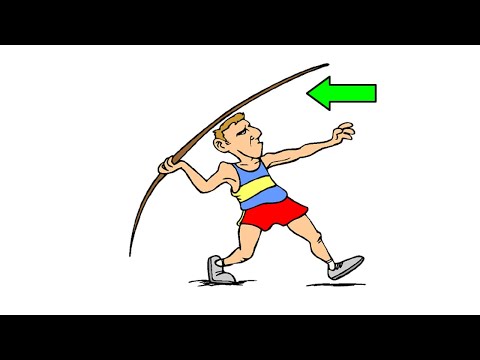
- Start with your dominant hand in a flat handshape (like a flat “B”).
- Hold your arm out in front of you at shoulder height, pointing forward.
- With your non-dominant hand, mimic holding the javelin by placing your hand at the end of your dominant hand, as if you are gripping the javelin.
- Perform a throwing motion by moving your dominant hand forward while slightly bending your elbow, as if you are throwing the javelin.
- Add facial expressions to convey excitement or competition, such as raising your eyebrows or smiling.
Common Mistakes
- Forgetting to mimic the grip of the javelin with the non-dominant hand.
- Using a too exaggerated throwing motion, which can look unnatural.
- Neglecting facial expressions, which are important in conveying the context of the sign.
Related Signs
- 1 – The sign for the number one.
- 1 Dollar – The sign for one dollar currency.
- 10 – The sign for the number ten.
- 100 – The sign for one hundred.
- 11 – The sign for the number eleven.
Using “Javelin” in Everyday Conversations
The sign for “Javelin” can be used in various everyday conversations, especially when discussing sports or athletic events. Here are a few example sentences that demonstrate how to incorporate the sign naturally:
- “I love to watch javelin at the Olympics.” (Javelin – Olympics – watch – love)
- “My friend is training for the javelin competition next week.” (Friend – training – javelin – competition – next week)
- “Have you ever tried throwing a javelin?” (You – tried – throwing – javelin?)
These examples can come up in conversations about sports, athletic training, or even casual discussions about upcoming events, highlighting the relevance of the sign in everyday life.
Cultural Notes
In the Australian Deaf community, sports play a vital role in fostering camaraderie and a sense of identity. The sign “Javelin” is not just a representation of the sport but also embodies the spirit of competition and achievement within the Deaf community. Many Deaf athletes participate in events like the Deaflympics, where javelin throwing is featured. This shared experience helps to strengthen community bonds and promote visibility of Deaf athletes.
While Auslan is primarily consistent across Australia, there may be slight variations in signs used in different regions. For instance, some northern regions may incorporate unique non-manual features or slight handshape variations that aren’t commonly seen in southern areas. Learning these nuances can enrich your understanding and appreciation of the language.
Tips for Learning This Sign
Practicing the sign for “Javelin” can be both fun and effective with a few techniques:
- Mirror Practice: Use a mirror to watch your handshape and movement closely. This helps to ensure accuracy and improve your confidence.
- Pay Attention to Non-Manual Features: Observe facial expressions and body language while signing. Incorporating these elements can add context and emotion to your signing.
- Use in Short Signed Sentences: Create simple sentences using “Javelin” in different contexts. Regularly using the sign in various scenarios will reinforce your memory and enhance your fluency.
Consistent practice in a relaxed environment will help solidify your understanding and use of the sign “Javelin” in Auslan.
Frequently Asked Questions
How can I use “javelin” in a sentence?
You can say, “I enjoy watching javelin competitions,” by signing “I” + “enjoy” + “watch” + “javelin” + “competitions.”
Are there regional variations for the sign?
Yes, some regions might have slight variations in the handshape or movement for “javelin.” It’s good to observe local signers.
Are there similar signs for other sports?
Yes, signs for sports like “discus” or “shot put” may share similar movements or handshapes.
How does this compare to British Sign Language (BSL)?
The sign for “javelin” in BSL is different; it’s important to learn from a BSL instructor for accurate signing.
What are some teaching tips for this sign?
Encourage students to practice the motion in pairs and to pay attention to facial expressions that convey excitement.
Practice This Sign
Try signing Javelin In Auslan with your camera and get AI coaching on your handshape, movement, and location.
Free · No signup required