
Hairdryer in Australian Sign Language (Auslan)
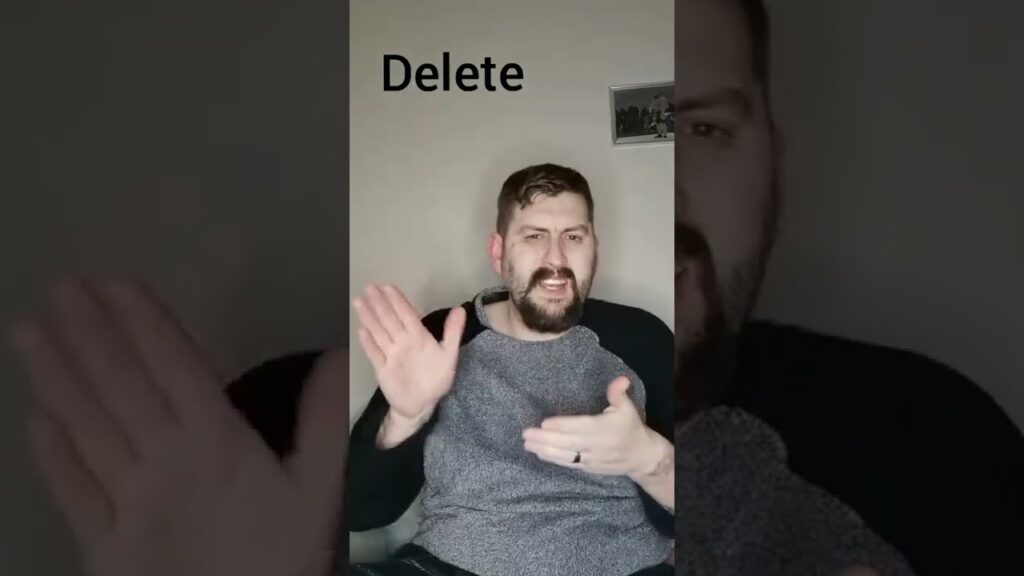
The sign for “hairdryer” in Auslan represents the common household appliance used for drying hair. This sign is often used in conversations about personal grooming, hair care routines, or during discussions about beauty products. It can be particularly helpful in salons or when chatting about hair styling.
Table of Contents
How to Sign “Hairdryer”
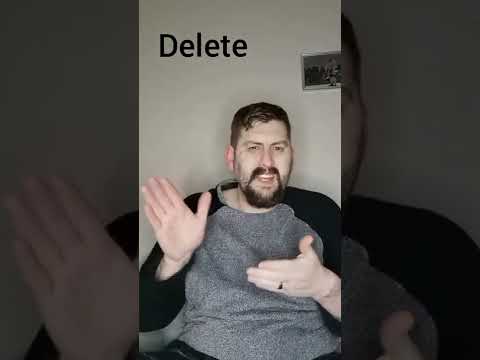
- Start with your dominant hand in a flat “B” handshape (palm facing down).
- Position your hand near your mouth to represent the nozzle of the hairdryer.
- Move your hand in a small, gentle back-and-forth motion, mimicking the action of blowing air.
- Facial expressions can enhance the sign; a focused expression can indicate you are demonstrating the use of a hairdryer.
Common Mistakes
- Using a fist instead of a flat “B” handshape, which may confuse the sign with other similar signs.
- Not moving the hand to show the action of blowing air, which makes the sign unclear.
- Neglecting facial expressions, which are important for conveying the context and meaning.
Related Signs
- 1 – The sign for the number one.
- 1 Dollar – A sign used to indicate currency.
- 10 – The sign for the number ten.
- 100 – Represents the number one hundred.
- 12 – The sign for the number twelve.
Using “Hairdryer” in Everyday Conversations
The sign for “hairdryer” is commonly used in conversations about personal grooming and beauty routines. Here are a few example sentences that demonstrate how to incorporate this sign into everyday dialogue:
- “I bought a new hairdryer yesterday.” (I NEW HAIRDRYER BUY YESTERDAY)
- “Can you help me find my hairdryer?” (YOU HELP ME FIND MY HAIRDRYER?)
- “I love my hairdryer; it dries my hair quickly.” (I LOVE HAIRDRYER, MY HAIR DRY QUICKLY)
You might encounter these phrases in casual discussions with friends or family, especially when sharing tips about hair care products or when getting ready for an event.
Cultural Notes
The sign for “hairdryer” holds specific relevance within the Australian Deaf community, particularly in conversations about beauty and self-care. The Deaf community often shares tips and tricks on effective grooming methods, and hairdryers play a significant role in these discussions. Furthermore, while Auslan is relatively consistent across Australia, there can be slight regional variations in signs, including “hairdryer.” In some northern areas, the sign may be more fluid or use different facial expressions compared to southern regions, where a more standardized movement may be observed. It’s beneficial to engage with local Deaf communities to understand these nuances better.
Tips for Learning This Sign
Practicing the sign for “hairdryer” can be made enjoyable with a few simple techniques:
- Mirror Practice: Stand in front of a mirror to practice the sign. This allows you to see your hand movements and facial expressions, helping you refine your technique.
- Watch for Non-Manual Features: Pay attention to your facial expressions when signing “hairdryer.” Non-manual features, like eyebrow movement, can convey additional meaning and emotion.
- Use in Short Signed Sentences: Incorporate the sign into short phrases or sentences during daily conversations. This practice will help solidify your memory of the sign and its context.
Regular practice in a supportive environment will boost your confidence in using this sign naturally.
Frequently Asked Questions
Can you use “hairdryer” in a sentence?
Yes! You can say, “I need to use the hairdryer after my shower,” signed as “I need (sign for need) hairdryer (hairdryer sign) after (sign for after) shower (sign for shower).”
Are there regional variations for this sign?
While the basic sign for hairdryer is widely understood, some regions may have slight variations in movement or handshape. It’s best to learn from locals.
Are there similar signs for other appliances?
Yes, there are many signs for appliances like “toaster” or “microwave.” Each has its own unique sign that represents its function.
How does this compare to BSL?
While BSL (British Sign Language) has its own sign for “hairdryer,” it may differ in handshape and movement from Auslan. Learning both can be beneficial!
What are some teaching tips for this sign?
Practice in front of a mirror to ensure your handshape and movement are clear. Use facial expressions to convey meaning, and practice with a partner for feedback.
Practice This Sign
Try signing Hairdryer In Auslan with your camera and get AI coaching on your handshape, movement, and location.
Free · No signup required