
Hair Care in Australian Sign Language (Auslan)

The sign for “hair care” in Auslan is a practical and essential term used in conversations about grooming and personal care. This sign is commonly used in discussions about beauty routines, hair treatments, and hairdressing services. It reflects the importance of self-expression and personal appearance in the Deaf community.
Table of Contents
How to Sign “Hair Care”
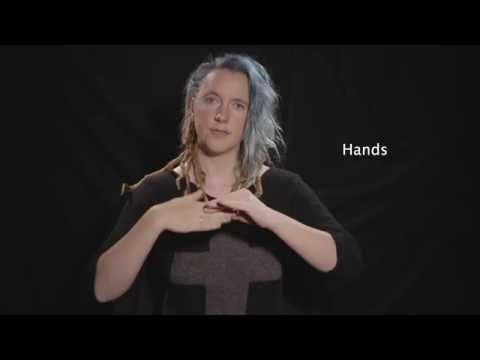
- Start with your dominant hand in a flat open hand shape, fingers extended and together.
- Position your hand near the top of your head, just above your forehead.
- Gently brush your hand downwards through your hair, mimicking the motion of applying hair products or combing.
- As you perform the motion, maintain a relaxed facial expression to convey the soothing nature of hair care.
Common Mistakes
- Forgetting to use a relaxed facial expression, which is essential for conveying the meaning.
- Using a fist instead of an open hand, which can change the sign’s meaning.
- Not brushing downwards in a smooth motion, making the sign appear abrupt or unclear.
Related Signs
- 1 – The number one sign, often used in counting.
- 1 Dollar – A sign for currency, useful in shopping contexts.
- 10 – The number ten sign, frequently used in various counting scenarios.
- 100 – The sign for one hundred, often seen in larger numbers.
- 12 – A number sign that can be used in various contexts, including time.
Using “Hair Care” in Everyday Conversations
The sign for “Hair Care” can be seamlessly integrated into everyday conversations, particularly when discussing personal grooming or sharing beauty tips. Here are a few example sentences to illustrate how it might be used:
- “I went to the salon for hair care.” (Sign: I + SALON + HAIR CARE)
- “Do you know any good hair care products?” (Sign: YOU + KNOW + GOOD + HAIR CARE + PRODUCTS?)
- “Her hair care routine is quite detailed.” (Sign: HER + HAIR CARE + ROUTINE + DETAILED)
These examples might come up in casual chats among friends, while discussing grooming habits, or during beauty-related workshops within the Deaf community.
Cultural Notes
The concept of “Hair Care” holds significant cultural relevance within the Australian Deaf community, where personal appearance and grooming can often serve as expressions of identity and pride. Hair care practices can vary widely, reflecting individual preferences and cultural backgrounds. Additionally, there are some regional variations in Auslan signs, including potential differences in how “Hair Care” is articulated between northern and southern communities. While the core sign remains largely consistent, some nuances or additional facial expressions may differ, influenced by local dialects and cultural influences.
Tips for Learning This Sign
To effectively learn and remember the sign for “Hair Care,” consider the following strategies:
- Mirror Practice: Stand in front of a mirror and practice the sign. This allows you to see your hand movements and facial expressions from an external perspective.
- Watch for Non-Manual Features: Pay attention to the facial expressions that accompany the sign. Non-manual features can add meaning and emphasis to your signing.
- Use in Short Sentences: Incorporate “Hair Care” into brief signed sentences during practice sessions. This will help you become more comfortable with the sign in context.
Regular practice, especially in social settings or with peers, can reinforce your understanding and usage of “Hair Care” in Auslan.
Frequently Asked Questions
How can I use “hair care” in a sentence?
You can say, “I need to do my hair care routine,” by signing “I” + “NEED” + “HAIR CARE.”
Are there regional variations of this sign?
While the sign is generally consistent, some regions may have slight variations in hand shape or movement, so it’s good to observe local signers.
What are some similar signs to “hair care”?
Similar signs include “haircut” and “styling,” which involve different hand movements but relate to hair.
How does this sign compare to BSL?
BSL uses different signs for hair care, so it’s important to learn the Auslan version specifically for effective communication.
What tips do you have for teaching this sign?
Encourage learners to practice in front of a mirror to refine their hand movements and facial expressions for clarity.
Can I use this sign in a group setting?
Yes, “hair care” is a useful sign in group discussions, especially when talking about beauty and grooming among friends.
Practice This Sign
Try signing Hair Care In Auslan with your camera and get AI coaching on your handshape, movement, and location.
Free · No signup required