
Hairbrush in Australian Sign Language (Auslan)
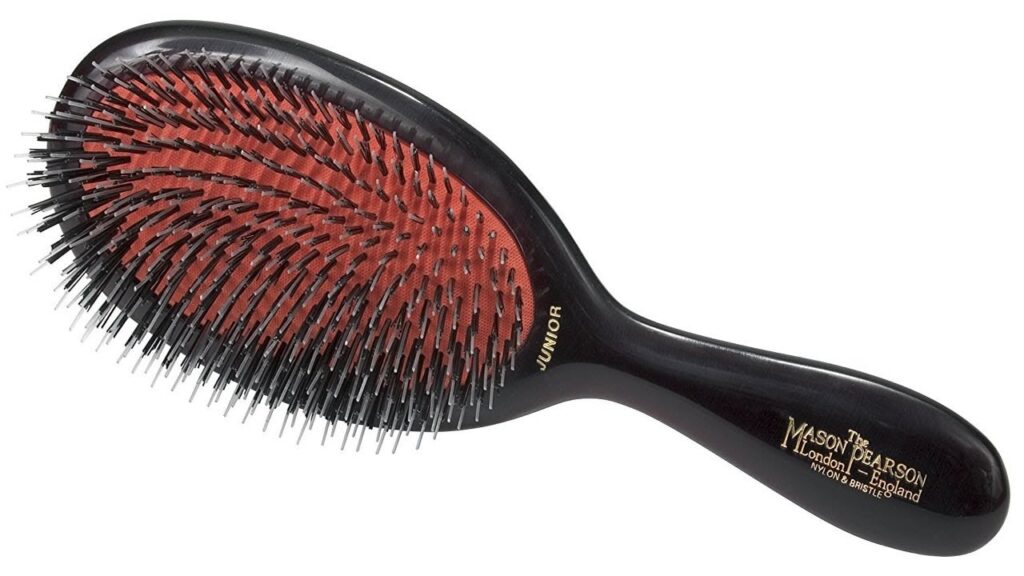
The sign for “hairbrush” in Auslan refers to the tool used for grooming hair. It’s commonly used in conversations about personal care, beauty routines, or discussing hairstyles. This sign can be quite handy in everyday discussions, especially when talking about hair care or styling preferences.
Table of Contents
How to Sign “Hairbrush”
- Start with your dominant hand in a flat handshape (like a “B” handshape). Your fingers should be together and your palm facing down.
- Position your hand near the top of your head, as if you are about to brush your hair.
- With a smooth motion, move your hand down along the length of your hair, mimicking the action of brushing.
- As you perform the motion, keep a relaxed facial expression. You can add a slight smile to convey positivity about hair grooming.
Common Mistakes
- Some learners might forget to use the flat handshape, which can confuse the sign with other actions.
- Not mimicking the brushing motion sufficiently; this can make the sign unclear.
- Using an overly tense facial expression, which can convey the wrong emotions related to the action.
Related Signs
- 1 – The number sign for “one.”
- 10 – The number sign for “ten.”
- 100 – The number sign for “one hundred.”
- 12 – The number sign for “twelve.”
- 14 – The number sign for “fourteen.”
Using “Hairbrush” in Everyday Conversations
The sign for “Hairbrush” can easily fit into various everyday conversations, especially when discussing personal grooming or sharing tips about hair care. Here are some example sentences that illustrate how to incorporate this sign naturally:
- MY HAIR LONG, NEED HAIRBRUSH. (I have long hair, I need a hairbrush.)
- YESTERDAY, FRIEND LOAN ME HAIRBRUSH. (Yesterday, my friend loaned me their hairbrush.)
- AFTER SHOWER, ALWAYS USE HAIRBRUSH. (After a shower, I always use a hairbrush.)
These sentences can come up in casual conversations with friends or family, during hair care discussions, or while sharing personal grooming routines.
Cultural Notes
The sign for “Hairbrush” holds significance within the Australian Deaf community, where personal grooming habits often reflect broader cultural practices. Haircare can be a communal experience, with Deaf individuals frequently sharing tips and products. This sign can also be a point of connection, as discussions about hair can lead to sharing personal stories or experiences.
In terms of dialect variations, there may be slight differences in how the sign is produced in different regions of Australia. However, the core sign remains widely understood across the Deaf community. Engaging with local Deaf individuals can enhance your understanding of these nuances.
Tips for Learning This Sign
To effectively learn and remember the sign for “Hairbrush,” consider these practical tips:
- Mirror Practice: Stand in front of a mirror to practice the sign. This helps you observe your hand shape, movement, and placement, ensuring accuracy.
- Watch for Non-Manual Features: Pay attention to facial expressions and body language when signing. These non-manual features can add meaning and context to your sign.
- Use in Short Signed Sentences: Incorporate “Hairbrush” into short sentences during practice sessions. This reinforces memory and helps you become more comfortable with its usage in conversation.
Regular practice and immersion in the language will build confidence and fluency over time.
Frequently Asked Questions
How can I use “hairbrush” in a sentence?
You can say, “I need to brush my hair,” which in sign would incorporate the sign for “hairbrush” along with signs for “need” and “my hair.”
Are there regional variations for this sign?
While “hairbrush” is generally consistent, some regions may have slight variations in the motion or handshape.
Are there similar signs I should know?
Yes, signs like “comb” and “hair” are related and important for discussions about hair care.
How does this sign compare to BSL?
In British Sign Language (BSL), the sign for “hairbrush” may differ, so it’s useful to learn both if you’re communicating with a diverse audience.
What teaching tips do you have for this sign?
Practice in front of a mirror to ensure your handshape and motion are clear. Watching fluent signers can also help refine your technique.
Practice This Sign
Try signing Hairbrush In Auslan with your camera and get AI coaching on your handshape, movement, and location.
Free · No signup required