
Hair Dryer in Australian Sign Language (Auslan)
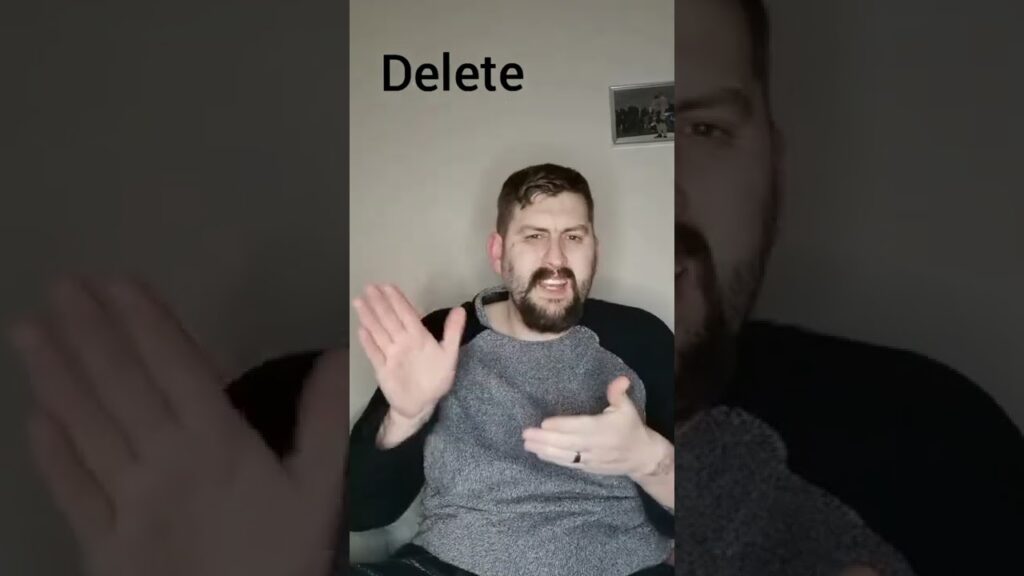
The sign for “hair dryer” in Auslan represents the common household tool used for drying and styling hair. This sign is often used in conversations about personal grooming, beauty routines, or discussing hair care products.
Table of Contents
How to Sign “Hair Dryer”
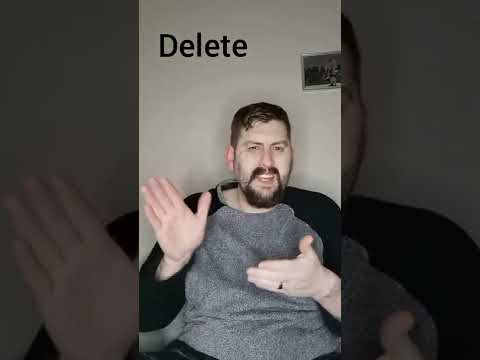
- Start with your dominant hand in a flat handshape (similar to the letter “B”).
- Position your hand in front of your mouth, with your palm facing inward.
- Move your hand slightly away from your mouth, as if blowing air, and wiggle your fingers to mimic the motion of air coming out of a hair dryer.
- Maintain a facial expression that suggests blowing air, like puffing your cheeks or squinting your eyes slightly.
Common Mistakes
- Forgetting to wiggle the fingers while moving the hand, which can make the sign look less dynamic.
- Holding the hand too far from the face, losing the connection to the action of drying hair.
- Using a closed fist instead of a flat handshape, which can confuse the sign with other meanings.
Related Signs
- 1 – Represents the number one.
- 1 Dollar – Sign for a single dollar amount.
- 10 – Represents the number ten.
- 100 – Sign for one hundred.
- 11 – Represents the number eleven.
Using “Hair Dryer” in Everyday Conversations
The sign for “Hair Dryer” is commonly used in conversations about personal grooming, beauty routines, or when discussing hair care products. Here are a few example sentences demonstrating how to incorporate this sign naturally:
- ME USE HAIR DRYER EVERY MORNING.
- MY FRIEND HAS NEW HAIR DRYER, IT VERY GOOD.
- CAN YOU PASS ME HAIR DRYER, PLEASE?
These scenarios might arise during casual chats at home, in salons, or even while shopping for hair care products. Incorporating the sign in context helps reinforce its meaning and usage.
Cultural Notes
In the Australian Deaf community, the sign for “Hair Dryer” holds significance beyond its practical use; it reflects the importance of personal grooming and self-expression. Many Deaf Australians use signs related to beauty and fashion as a means of cultural identity and social interaction. While the sign for “Hair Dryer” is generally consistent across the country, there may be slight variations in execution between northern and southern regions, influenced by local signing styles and dialects. Embracing these variations enhances communication and fosters a sense of community.
Tips for Learning This Sign
Practicing the sign for “Hair Dryer” can be both fun and effective. Here are some strategies to help you remember and use it confidently:
- Mirror Practice: Stand in front of a mirror and practice the sign. This will help you observe your hand shapes and movements, ensuring they are clear and accurate.
- Watch for Non-Manual Features: Pay attention to facial expressions and body language while signing. These non-manual features can convey additional meaning and enhance your overall signing.
- Use it in Short Signed Sentences: Create simple sentences incorporating “Hair Dryer” in everyday scenarios. The more you use it in context, the more natural it will feel.
By engaging with the sign in these ways, you will strengthen your memory and comfort level, making it easier to incorporate into conversations.
Frequently Asked Questions
How do I use “hair dryer” in a sentence?
You can say, “I need a hair dryer to dry my hair,” using the sign for hair dryer while mentioning hair.
Are there regional variations for this sign?
While the sign is generally consistent, some regions may have slight variations in movement or handshape.
What is a similar sign to “hair dryer”?
The sign for “fan” can be similar in motion but involves a different handshape and context.
How does this sign compare to BSL?
The British Sign Language sign for “hair dryer” may differ, reflecting unique signs in each language.
What are some teaching tips for this sign?
Practice with a mirror to ensure the handshape and movement are clear, and watch videos for visual examples.
Practice This Sign
Try signing Hair Dryer In Auslan with your camera and get AI coaching on your handshape, movement, and location.
Free · No signup required