
Field in Australian Sign Language (Auslan)
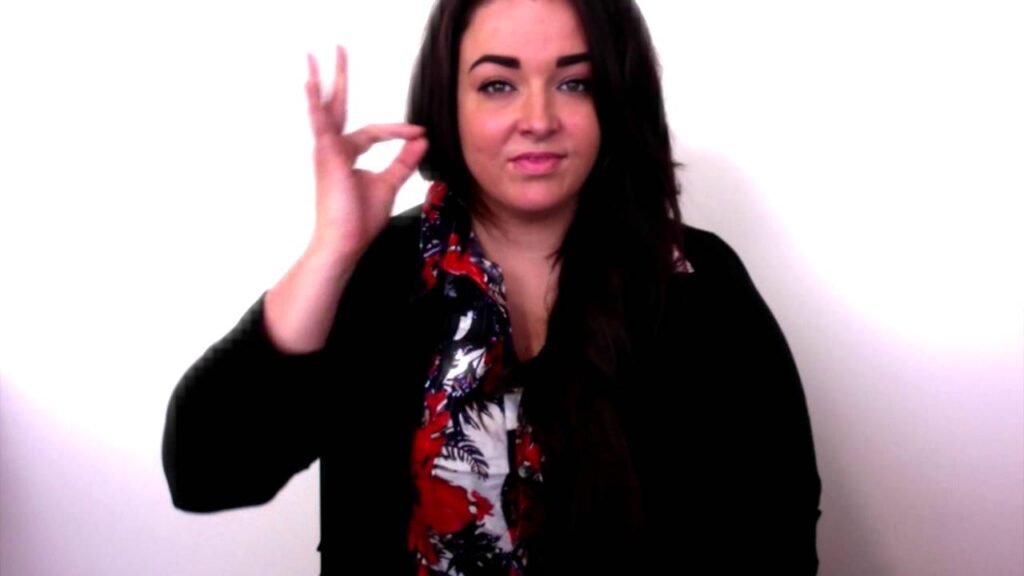
The sign for “field” in Auslan refers to an open area or expanse, often associated with agriculture, sports, or natural landscapes. This sign can be useful in conversations about nature, outdoor activities, or any context that involves a large, open space.
Table of Contents
How to Sign “Field”
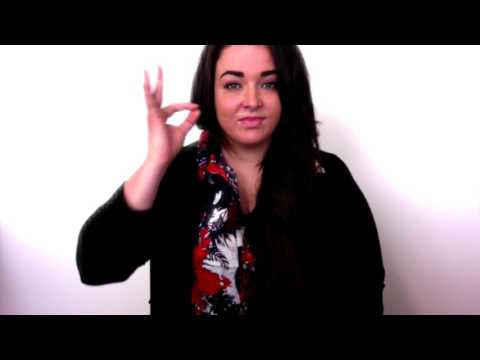
- Start with your dominant hand in a flat open hand shape (like a ‘B’ handshape).
- Position your hand in front of your chest, palm facing down.
- Extend your arm outwards and slightly forward as if you are showing the vastness of a field.
- As you move your hand outward, maintain a relaxed facial expression to convey the openness of the field.
Common Mistakes
- Forgetting to keep the hand flat, which can lead to confusion with other signs.
- Using too much movement; the sign should be fluid and gentle.
- Not maintaining an appropriate facial expression, which is crucial for conveying meaning in ASL.
Related Signs
- Nature – refers to the natural world, including landscapes and wildlife.
- Garden – signifies a cultivated area for plants, often smaller than a field.
- Sports – relates to physical games often played in large fields.
- Farm – denotes an area of land used for agriculture, commonly associated with fields.
Using “Field” in Everyday Conversations
The sign for “Field” can be used in various everyday contexts, particularly when discussing areas of study, work, or interest. Here are a few example sentences to illustrate its use:
- Field study: “I love my field of study, science.” (SIGN: “I” + “LOVE” + “FIELD” + “STUDY” + “SCIENCE”) – This might come up in a conversation among students or professionals in an educational setting.
- Career field: “He works in the field of engineering.” (SIGN: “HE” + “WORK” + “FIELD” + “ENGINEERING”) – This could arise during a networking event or casual chat about job experiences.
- Sports field: “They played on the football field.” (SIGN: “THEY” + “PLAY” + “ON” + “FOOTBALL” + “FIELD”) – This is relevant during discussions about sports or local events.
Cultural Notes
In the Australian Deaf community, the term “Field” often encompasses more than just a physical area; it can also refer to areas of expertise and professional pursuits. This reflects the community’s emphasis on education and advocacy within specific domains, such as Deaf studies, interpreting, and community services. Awareness of the nuances in how “Field” is used can enhance communication and connection within the community.
Additionally, while Auslan is relatively consistent across Australia, there can be slight variations in signs, including “Field,” between northern and southern regions. For instance, the sign may incorporate different facial expressions or regional influences, which can be a point of interest and learning for those studying Auslan.
Tips for Learning This Sign
Practicing the sign for “Field” can be enjoyable and effective with a few practical tips:
- Mirror practice: Use a mirror to check your handshape and movement. This helps ensure accuracy and confidence in your signing.
- Watch for non-manual features: Pay attention to facial expressions and body language while signing “Field.” These features add meaning and context to your signs.
- Incorporate it into sentences: Try using “Field” in short, meaningful sentences with friends or classmates. This builds familiarity and helps solidify your understanding of the sign in context.
Regular practice and engagement with the Deaf community can also provide valuable feedback and support as you learn.
Frequently Asked Questions
How can I use “field” in a sentence?
You can say “I love playing soccer in the field,” which would be signed as “I LOVE SOCCER FIELD.”
Are there regional variations for this sign?
Yes, some regions may have slight variations in handshape or movement, so it’s good to observe local signing.
What are some similar signs to “field”?
Signs like “park” or “playground” may share similar movements but will have distinct handshapes or placements.
How does this sign compare to BSL?
There are differences in signs between Auslan and BSL, including handshapes and movements, so it’s best to learn from native signers.
Any tips for teaching this sign?
Encourage learners to visualize an actual field while signing to help reinforce the meaning and movement.
Practice This Sign
Try signing Field In Auslan with your camera and get AI coaching on your handshape, movement, and location.
Free · No signup required