
Nature in Australian Sign Language (Auslan)

The sign for “nature” in Auslan represents the concept of the natural world, including plants, animals, and landscapes. It is often used in discussions about the environment, outdoor activities, and conservation efforts. This sign can help express an appreciation for the beauty and importance of nature.
Table of Contents
How to Sign “Nature”
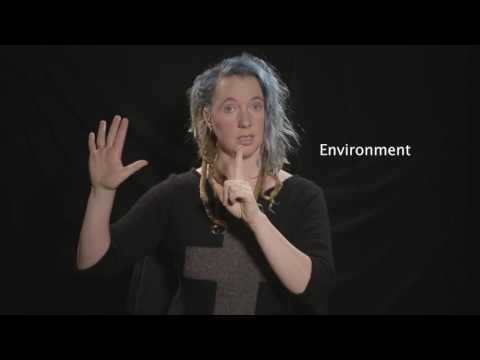
- Start with your dominant hand in a flat, open shape (like a “B” handshape).
- Position your hand at about chest height, with your palm facing away from you.
- Move your hand in a circular motion, keeping the shape steady, as if you are mimicking the flow of natural elements.
- As you sign, maintain a gentle facial expression that conveys a sense of calm and appreciation for nature.
Common Mistakes
- Forgetting to keep the handshape consistent throughout the motion, which can make the sign unclear.
- Using a jerky motion instead of a smooth circular movement, which affects the flow of the sign.
- Neglecting facial expressions, which play an important role in conveying the meaning and emotion behind the sign.
Related Signs
- 1 – The sign for the number one, commonly used in various contexts.
- 1 Dollar – The sign for one dollar, often used in discussions about money.
- 10 – The sign for the number ten, useful in counting.
- 100 – The sign for one hundred, frequently used in financial contexts.
- 11 – The sign for eleven, which is helpful when discussing numbers.
Using “Nature” in Everyday Conversations
The sign for “Nature” is commonly used in various contexts, especially when discussing environmental topics, outdoor activities, or personal experiences with the natural world. Here are a few example sentences that illustrate how to incorporate this sign into conversations:
- “I love to hike in nature.” (I LOVE NATURE HIKE) – This might come up during a casual chat about weekend plans or hobbies.
- “Nature is beautiful.” (NATURE BEAUTIFUL) – You could use this when discussing a recent trip to a national park or a picturesque landscape.
- “We need to protect nature.” (WE NEED PROTECT NATURE) – This sentence might arise in conversations about environmental issues or sustainability efforts.
Cultural Notes
In the Australian Deaf community, the concept of “Nature” holds significant cultural importance, often reflecting a deep respect for the environment and wildlife. Many Deaf Australians share a strong connection to land and nature, influenced by Aboriginal culture and the belief in caring for the earth. This connection is evident in community events, such as group outings to national parks or clean-up projects, which promote environmental awareness and appreciation.
When it comes to dialect variations, while the sign for “Nature” remains relatively consistent across Australia, some regional differences in expressions and associated signs may be observed—especially in more remote or rural areas. Engaging with local Deaf individuals can provide insight into these variations and enhance your understanding.
Tips for Learning This Sign
Practicing the sign for “Nature” can be made easier and more enjoyable with these tips:
- Mirror Practice: Use a mirror to observe your handshape and movements. This can help you identify any adjustments needed for accuracy.
- Watch for Non-Manual Features: Pay attention to your facial expressions and body language while signing. These non-manual features add depth and meaning to your signing.
- Use it in Short Signed Sentences: Create simple sentences using “Nature” in various contexts. Regularly incorporating it into your practice will help reinforce your memory and fluency.
Incorporating these strategies into your learning routine will not only help you remember the sign for “Nature” but also enhance your overall Auslan skills.
Frequently Asked Questions
How can I use “nature” in a sentence?
You can say, “I love nature,” by signing “I” followed by the sign for “love” and then “nature.”
Are there regional variations of this sign?
Some regions may have slightly different signs for “nature,” so it’s good to observe local usage.
Are there similar signs for “environment”?
Yes, the sign for “environment” is often similar but may involve different handshapes or movements.
How does this sign compare to BSL?
The sign for “nature” in BSL may look different; it’s always interesting to learn about variations across sign languages.
What are some teaching tips for this sign?
Encourage learners to practice in a natural setting and to incorporate facial expressions for better communication.
Can I use this sign for specific elements of nature?
Yes, you can combine this sign with others to specify elements like “trees,” “animals,” or “water.”
Practice This Sign
Try signing Nature In Auslan with your camera and get AI coaching on your handshape, movement, and location.
Free · No signup required