
Faith in Australian Sign Language (Auslan)

The sign for “faith” in Auslan represents a sense of trust, belief, or confidence in something or someone. It is commonly used in conversations about personal beliefs, religion, or when discussing assurance in various contexts. This sign can convey deep feelings and is often accompanied by appropriate facial expressions to enhance its meaning.
Table of Contents
How to Sign “Faith”
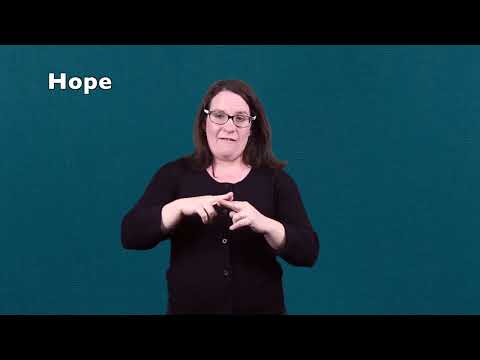
- Start with your non-dominant hand in a flat position, palm facing up, as if you are holding something steady.
- With your dominant hand, form a fist with your thumb pointing up.
- Place the fist of your dominant hand lightly on the palm of your non-dominant hand.
- Gently move your dominant hand upward while maintaining contact with the palm, conveying a sense of lifting or elevating faith.
- Use a facial expression that reflects belief or confidence, such as a slight smile or a focused look.
Common Mistakes
- Forgetting to use facial expressions, which are crucial in conveying the emotion associated with “faith.”
- Using the wrong hand shapes; ensure that the dominant hand is in a fist and the non-dominant hand is flat.
- Not maintaining contact between the hands during the movement, which can lead to misunderstanding the sign’s intent.
Related Signs
- 1 – The sign for the number one, useful in various contexts.
- 1 Dollar – Represents the currency value of one dollar.
- 10 – The sign for the number ten, frequently used in counting.
- 100 – Represents the number one hundred, useful in financial discussions.
- 12 – The sign for the number twelve, often used in educational settings.
Using “Faith” in Everyday Conversations
The sign for “Faith” can enrich everyday conversations, especially when discussing beliefs, hope, or personal values. Here are a few example sentences that demonstrate how to use this sign naturally:
- Example 1: “I have faith in my friends.”
Auslan sign order: “I FRIEND FAITH HAVE.” - Example 2: “Faith helps me through tough times.”
Auslan sign order: “TOUGH TIMES FAITH HELP ME.” - Example 3: “She speaks about her faith often.”
Auslan sign order: “SHE OFTEN FAITH TALK.”
These examples can arise in discussions about personal experiences, community values, or during supportive conversations where one might express encouragement or belief in another person’s journey.
Cultural Notes
In the Australian Deaf community, the concept of “Faith” transcends religious connotations; it often embodies trust, hope, and resilience. Many Deaf Australians incorporate various cultural and spiritual beliefs into their understanding of faith. Whether through community gatherings, storytelling, or shared experiences, faith is a vital component of the Deaf culture, fostering a sense of belonging and support.
While there are some regional dialect variations in Auslan, the sign for “Faith” is generally consistent across the country. However, it’s essential to be aware that individual signing styles may differ slightly based on personal experiences and backgrounds. Engaging with the local Deaf community can enhance your understanding of these nuances.
Tips for Learning This Sign
To effectively learn and remember the sign for “Faith,” here are some practical strategies:
- Mirror Practice: Stand in front of a mirror while practicing the sign. This helps you to see your own movements and ensure they match what you’ve learned.
- Watch for Non-Manual Features: Pay attention to facial expressions and body language that often accompany the sign. These non-manual features can add depth and clarity to your signing.
- Use in Short Signed Sentences: Incorporate “Faith” into simple sentences regularly. For instance, after signing, “I have faith,” try expanding by sharing why or what you believe in.
Regular practice and engagement with the Deaf community will further reinforce your learning and understanding of the sign.
Frequently Asked Questions
How can I use “faith” in a sentence?
You can say, “I have faith in my friends,” by signing “FAITH” followed by the sign for “FRIENDS.”
Are there regional variations for this sign?
While the sign for “faith” is generally consistent, some regions may have slight variations in speed or facial expressions.
Are there similar signs in Auslan?
Yes, signs like “trust” and “belief” convey related concepts and may have similar hand shapes.
How does this compare to BSL?
The sign for “faith” in BSL is different and may involve distinct hand movements and placements.
What are some teaching tips for this sign?
Practice with a partner to ensure correct hand shapes and movements, and always emphasize the importance of facial expressions.
Practice This Sign
Try signing Faith In Auslan with your camera and get AI coaching on your handshape, movement, and location.
Free · No signup required