
Fairy in Australian Sign Language (Auslan)
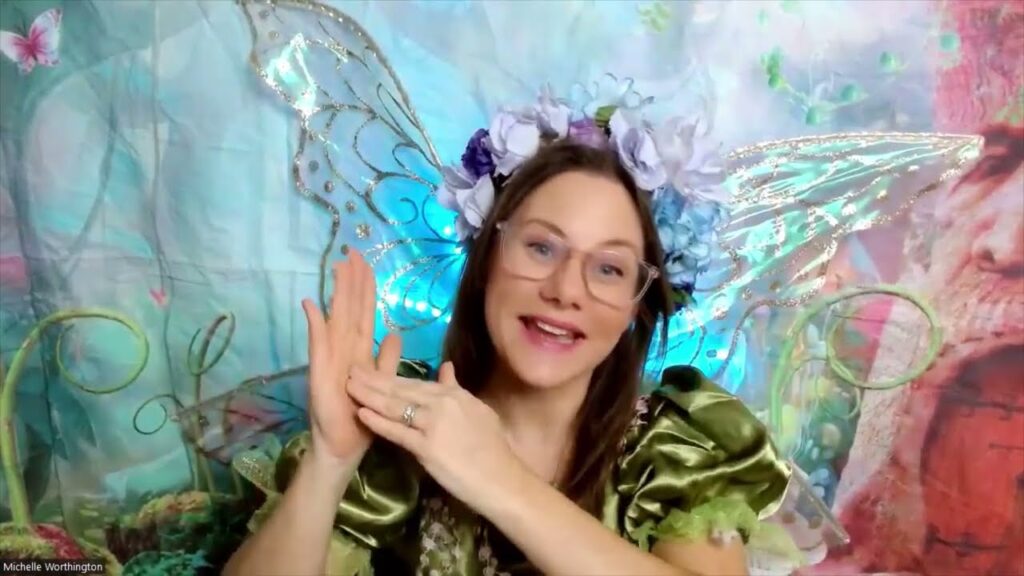
The sign for “fairy” in Auslan represents a mythical creature often depicted with wings and magical powers. This sign is commonly used in storytelling, children’s literature, and discussions about folklore or fantasy themes. It’s a delightful sign that can bring a sense of whimsy to conversations.
Table of Contents
How to Sign “Fairy”
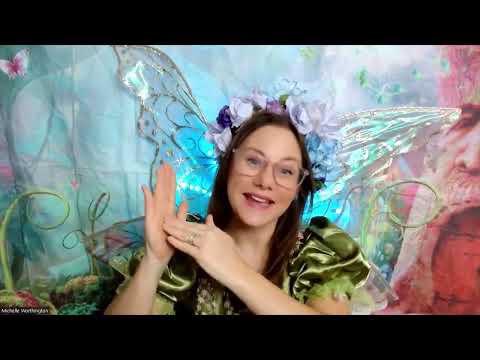
- Start with both hands in a flat shape, fingers extended and together, resembling wings.
- Position your hands in front of your chest, with palms facing outward.
- Gently flutter your hands up and down to mimic the movement of wings.
- As you perform the fluttering motion, add a light, playful facial expression to convey the magic and joy associated with fairies.
Common Mistakes
- Forgetting to use both hands; using one hand can make the sign less effective.
- Not incorporating facial expressions, which are crucial for conveying emotions in Auslan.
- Making the wing movement too stiff; the sign should be light and airy to capture the essence of a fairy.
Related Signs
- 1 – The sign for the number one.
- 1 Dollar – Sign representing a single dollar bill.
- 10 – The sign for the number ten.
- 100 – The sign for the number one hundred.
- 11 – The sign for the number eleven.
Using “Fairy” in Everyday Conversations
The sign for “Fairy” can be used in various everyday conversations, especially in contexts related to storytelling, fantasy, or discussions about children’s literature. Here are a couple of example sentences:
- Storytelling Context: “I read a story about a fairy who helps children.” (I STORY READ FAIRY HELP CHILDREN)
- Discussion About Movies: “Do you like the movie with the fairy in it?” (YOU LIKE MOVIE WITH FAIRY?)
These situations often arise in conversations about books, movies, or even when discussing childhood experiences, making the sign for “Fairy” quite relevant and engaging.
Cultural Notes
Within the Australian Deaf community, the concept of a “Fairy” can hold a special place, especially in storytelling traditions and children’s culture. Fairies are often featured in folklore and fairy tales that are passed down through generations, creating a sense of magic and wonder. In some cases, the sign may also evoke cultural references from popular Australian children’s literature and media.
Dialectal variation in Auslan can influence how “Fairy” is signed. While most regions will recognize the standard sign, you may notice slight variations in handshape or movement between northern and southern communities. Engaging with local Deaf groups can provide insights into these subtle differences and enrich your understanding of the sign in context.
Tips for Learning This Sign
To effectively learn and remember the sign for “Fairy,” consider the following practical strategies:
- Mirror Practice: Stand in front of a mirror and practice signing “Fairy.” This allows you to observe your form and make adjustments as needed.
- Focus on Non-Manual Features: Pay attention to facial expressions and body language that accompany the sign. These non-manual features can add depth and clarity to your signing.
- Use in Short Sentences: Incorporate “Fairy” into simple phrases or sentences during practice. This helps reinforce the sign in a meaningful context and improves fluency.
Regular practice in varied contexts will enhance your comfort and ability to use the sign naturally in conversation.
Frequently Asked Questions
How can I use “fairy” in a sentence?
You can say, “I saw a fairy in my dream,” by signing “I see fairy dream.”
Are there regional variations of the sign?
Yes, some regions may have slight variations in the movement or hand shape, but the general concept remains the same.
What are some similar signs to “fairy”?
Signs like “angel” or “sprite” may have similar movements but differ in hand shape or position.
How does “fairy” compare in BSL?
In British Sign Language, the sign for “fairy” may look different, often using different hand shapes to represent the concept.
Any tips for teaching this sign to children?
Use storytelling and imaginative play to engage children, encouraging them to act out fairy tales while signing.
Can I use this sign in formal settings?
While the sign is playful, it can be used in formal discussions about literature or art, depending on the context.
Practice This Sign
Try signing Fairy In Auslan with your camera and get AI coaching on your handshape, movement, and location.
Free · No signup required