
Fajr in Australian Sign Language (Auslan)

The sign “fajr” refers to the early morning prayer in Islamic tradition, marking the beginning of the day for many Muslims. It’s commonly used in conversations about prayer times or religious practices. This sign is significant in both religious and cultural contexts within the Deaf community.
Table of Contents
How to Sign “Fajr In Auslan“
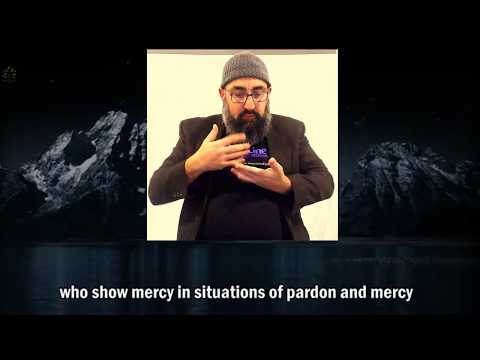
- Start with your dominant hand in a flat “B” handshape (palm facing down).
- Position your hand at the center of your chest, with your fingers slightly spread apart.
- Move your hand upwards and slightly outward, creating a gentle arc as you raise it to about chin level.
- As you perform the movement, maintain a calm and focused facial expression, reflecting the significance of the prayer.
Common Mistakes
- Forgetting to use the proper handshape, which can alter the meaning of the sign.
- Not maintaining the correct facial expressions, which are essential for conveying the context of the sign.
- Moving the hand too quickly or erratically, which can make the sign unclear.
Related Signs
- 1 – The sign for the number one.
- 10 – The sign for the number ten.
- 100 – The sign for the number one hundred.
- 12 – The sign for the number twelve.
- 15 – The sign for the number fifteen.
Using “Fajr” in Everyday Conversations
The sign “Fajr” can be integrated into daily conversations, especially among the Deaf community during discussions about time, prayer, or cultural practices. Here are some example sentences:
- “I wake up for Fajr every day.” (Fajr I WAKE-UP EVERYDAY)
- “The mosque starts the Fajr prayer at 5 AM.” (MOSQUE Fajr PRAY 5AM START)
- “Do you want to join me for Fajr tomorrow?” (YOU JOIN ME Fajr TOMORROW?)
These examples might arise in casual chats, planning with friends, or discussions about religious observances. Using “Fajr” in context helps reinforce its meaning and relevance in daily life.
Cultural Notes
In the Australian Deaf community, the term “Fajr” holds significance, particularly among Deaf Muslims who observe Islamic practices. This sign not only denotes the time for the early morning prayer but also represents a broader cultural identity. Understanding and using “Fajr” can foster connections within the community and promote inclusivity.
While Auslan is largely uniform across Australia, there may be slight regional variations in how “Fajr” is signed. In some northern areas, the sign might incorporate more facial expressions to convey emphasis or respect, whereas southern regions may focus on the sign’s clarity and precision. Being aware of these subtle differences can enhance communication and mutual understanding.
Tips for Learning This Sign
To effectively learn and remember the sign “Fajr,” consider the following methods:
- Mirror Practice: Stand in front of a mirror and practice the sign while observing your movements. This helps ensure your handshape and positioning are accurate.
- Observe Non-manual Features: Pay attention to facial expressions and body language while signing. Non-manual features can provide context and enhance the meaning of “Fajr.”
- Incorporate into Short Sentences: Use “Fajr” in simple signed sentences. This reinforces your memory and builds your confidence in using the sign in conversations.
By incorporating these practices into your learning routine, you’ll not only master the sign “Fajr” but also deepen your understanding of its cultural significance.
Frequently Asked Questions
How can I use “fajr” in a sentence?
You can say, “I wake up for fajr every morning,” and sign “fajr” after indicating the action of waking up.
Are there regional variations of this sign?
Some regions may have slight variations in the movement or handshape, but the core concept remains the same.
Is there a sign similar to “fajr” in BSL?
BSL has its own signs for religious practices, which may differ in execution and expression compared to Auslan.
What are some teaching tips for this sign?
Practice in front of a mirror to monitor your handshape and facial expressions. Watching native signers can also be helpful.
Can this sign be used in a group setting?
Yes, it’s appropriate to use “fajr” in group discussions about prayer times, especially in contexts related to the Islamic community.
What other signs relate to religious practices?
Signs for “prayer,” “community,” or “faith” are often used in conjunction with “fajr” to enrich conversations about spirituality.
Practice This Sign
Try signing Fajr In Auslan with your camera and get AI coaching on your handshape, movement, and location.
Free · No signup required