
Fabric in Australian Sign Language (Auslan)

The sign for “fabric” in Auslan refers to textile materials used in clothing, upholstery, and various crafts. It is commonly used in conversations about fashion, sewing, or any context where fabric is relevant. Understanding this sign can enhance discussions about style and design within the Deaf community.
Table of Contents
How to Sign “Fabric”
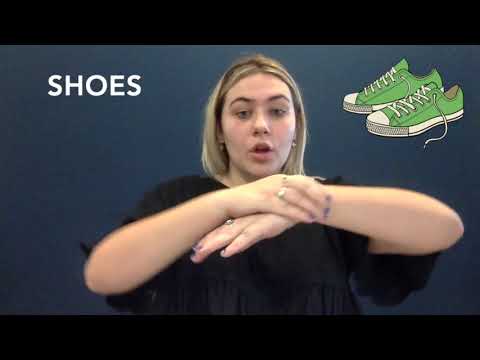
- Start with your dominant hand open, fingers spread apart.
- Position your hand palm down in front of your chest.
- Move your hand slightly downward while keeping your fingers splayed, as if you are showing the texture or layers of fabric.
- Maintain a neutral facial expression, but you can add a smile to convey enthusiasm about the fabric.
Common Mistakes
- Using a closed fist instead of an open hand can change the meaning or make the sign unclear.
- Moving the hand too fast may confuse the sign with other similar signs.
- Neglecting facial expressions can make the sign feel less engaging or expressive.
Related Signs
- 1 – Sign for the number one.
- 1 Dollar – Sign used for one dollar currency.
- 10 – Sign for the number ten.
- 100 – Sign for the number one hundred.
- 11 – Sign for the number eleven.
Using “Fabric” in Everyday Conversations
In Auslan, the sign for “Fabric” can be integrated into everyday conversations, especially when discussing clothing, crafts, or home decor. Here are a few example sentences where the sign naturally fits:
- Example 1: “I love this fabric for my dress.” (SIGN: I LOVE THIS FABRIC DRESS)
- Example 2: “Where did you buy that fabric?” (SIGN: WHERE YOU BUY THAT FABRIC?)
- Example 3: “This fabric feels soft.” (SIGN: THIS FABRIC FEEL SOFT)
These sentences may come up in fabric shops, during crafting workshops, or while discussing clothing styles with friends, allowing the sign to be used in relevant, everyday contexts.
Cultural Notes
The sign for “Fabric” holds cultural significance within the Australian Deaf community, as it often connects to shared experiences in fashion and craftsmanship. Many Deaf Australians engage in textile arts, be it sewing, quilting, or making costumes for performances. This sign is not just a practical term; it reflects a communal appreciation for creativity and self-expression through fabric.
Dialect variation can occasionally influence how this sign is expressed. While the core sign remains consistent, some regions may have slight differences in speed or handshape. Overall, these variations contribute to the rich tapestry of Auslan and highlight local Deaf culture.
Tips for Learning This Sign
To effectively learn and remember the sign for “Fabric,” consider these practical strategies:
- Mirror Practice: Stand in front of a mirror to practice the sign. This helps you refine your handshape and movement while observing your facial expressions.
- Watch for Non-manual Features: Pay attention to your facial expressions and body language. Non-manual features can add emphasis and context to your signing.
- Use in Short Signed Sentences: Incorporate the sign into simple sentences during practice. Repetition in context helps solidify your understanding and recall of the sign.
By using these strategies, you’ll enhance your ability to sign “Fabric” confidently and naturally in conversation.
Frequently Asked Questions
How would you use “fabric” in a sentence?
You can say, “I like this fabric” by signing “I” followed by the sign for “like,” and then the sign for “fabric.”
Are there regional variations for this sign?
While the basic sign remains consistent, you may notice slight variations in handshape or movement depending on the region.
What are some signs similar to “fabric”?
Signs for “clothing” or “textile” can be similar, but they have distinct movements and handshapes that differentiate them.
How does this compare to BSL?
In BSL, the sign for “fabric” may look different. It’s always good to learn both for better communication across communities.
Any teaching tips for learning this sign?
Practice in front of a mirror to ensure your handshape and movement are correct. Also, try using the sign in context to reinforce memory.
Practice This Sign
Try signing Fabric In Auslan with your camera and get AI coaching on your handshape, movement, and location.
Free · No signup required