
Echo in Australian Sign Language (Auslan)

The sign for “echo” in Auslan represents the concept of sound reflecting back, often used in contexts involving sound, repetition, or feedback. It can be employed when discussing acoustics, music, or even metaphorically to describe thoughts or ideas that resonate. This sign is visually expressive and can convey various meanings based on context.
Table of Contents
How to Sign “Echo”
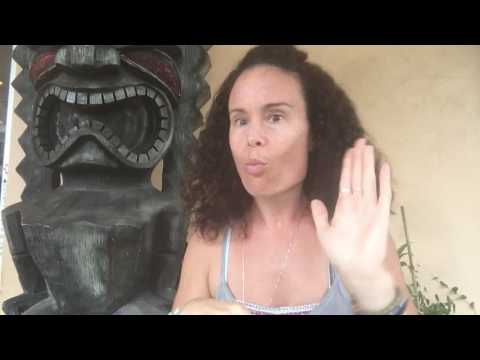
- Start with your dominant hand in the shape of a flat ‘O’ or a loose fist.
- Position your hand near your mouth, palm facing inward.
- Gently move your hand outward away from your mouth while maintaining the ‘O’ shape, simulating the action of sound traveling.
- As you move your hand, add a facial expression that conveys the idea of sound reflecting or bouncing back, such as raising your eyebrows.
Common Mistakes
One common mistake is not using the correct handshape, which can lead to confusion. Another error is not incorporating facial expressions, as they are essential in Auslan for conveying tone and emotion. Finally, some learners may rush the movement, making it difficult to see the sign clearly.
Related Signs
- 1 – Represents the number one, often used in counting.
- 1 Dollar – Signifying one dollar, used in financial contexts.
- 10 – Represents the number ten in counting or enumeration.
- 100 – Signifying one hundred, often used in discussions of large quantities.
- 11 – Represents the number eleven, useful in various counting scenarios.
Using “Echo” in Everyday Conversations
The sign “Echo” can be used in various everyday situations, especially when discussing sounds or experiences that resonate or repeat. Here are some example sentences demonstrating its use:
- “I heard a loud echo in the canyon.” (I HEAR CANYON ECHO LOUD)
- “Her laugh is an echo of her mother’s.” (HER LAUGH MOTHER ECHO)
- “We could hear the echo from the concert hall.” (WE HEAR CONCERT HALL ECHO)
These sentences can arise naturally in conversations about nature, family traits, or experiences in entertainment settings. Using “Echo” in these contexts helps convey the idea of sound reverberation or similarity effectively.
Cultural Notes
In the Australian Deaf community, the concept of “echo” is not just about sound. It often reflects the deeper connections and shared experiences among Deaf individuals. For instance, when Deaf people gather, the energy and laughter can create a vibrant atmosphere that feels like an echo of their shared culture and history.
Dialect variations can exist within Auslan, particularly between northern and southern regions of Australia. In some areas, the sign for “echo” may incorporate slight differences in movement or facial expressions, reflecting local signing styles. Being aware of these dialectical nuances can enhance communication and connection with others in the community.
Tips for Learning This Sign
To effectively learn and remember the sign for “Echo,” consider these practical tips:
- Mirror Practice: Practice in front of a mirror to ensure your handshape and movement are accurate. This will help you visualize and correct your signing.
- Focus on Non-Manual Features: Pay attention to your facial expressions and body language while signing “Echo.” These non-manual features add meaning and context to the sign.
- Use in Short Signed Sentences: Incorporate “Echo” into simple sentences during practice. This reinforces your understanding and helps you remember the sign in context.
Consistent practice and engagement with the Deaf community will further solidify your skills and understanding of the sign “Echo.”
Frequently Asked Questions
How can I use “echo” in a sentence?
You might say, “The sound echo in the mountains is beautiful,” using the sign to emphasize the concept of sound reflecting off surfaces.
Are there regional variations for this sign?
What signs are similar to “echo”?
Signs like “sound” and “repeat” share thematic elements with “echo.” Each captures aspects of sound and its characteristics.
How does this sign compare to BSL?
In British Sign Language (BSL), the sign for “echo” may differ, reflecting the unique structure and vocabulary of BSL. Exploring both can enhance your understanding of signed languages.
What tips do you have for teaching this sign?
Encourage learners to focus on the hand movement and facial expressions. Using visual aids like videos can also help reinforce the sign’s meaning and execution.
Practice This Sign
Try signing Echo In Auslan with your camera and get AI coaching on your handshape, movement, and location.
Free · No signup required