
Ear in Australian Sign Language (Auslan)
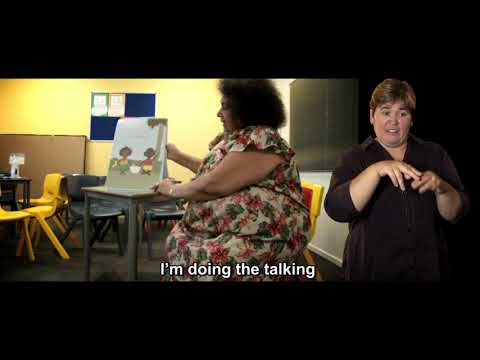
The sign for “ear” in Auslan represents the anatomical part of the ear and is commonly used in conversations about hearing, sound, and anatomy. It can be used in various contexts, such as discussing health, sensory experiences, or even in storytelling.
Table of Contents
How to Sign “Ear”
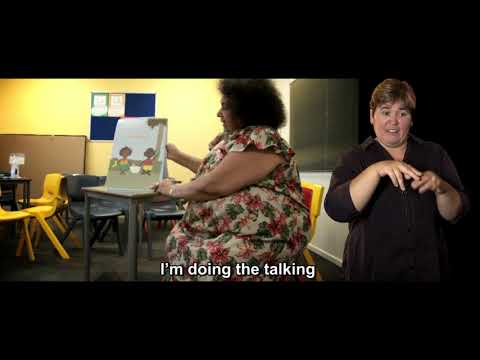
- Start with your dominant hand in a loose ‘C’ shape.
- Position your hand near the side of your head, approximately at ear level.
- Gently move your hand away from your head, in a slight outward arc, as if indicating the shape of the ear.
- Maintain a relaxed facial expression, conveying openness and clarity.
Common Mistakes
- Using a flat hand instead of a ‘C’ shape—this can make the sign unclear.
- Placing the hand too far from the head; the sign should be at ear level for accuracy.
- Not using facial expressions that match the context of the conversation, which can affect understanding.
Related Signs
- 1 – Represents the number one.
- 1 Dollar – Signifying one dollar currency.
- 10 – Represents the number ten.
- 100 – Signifying one hundred.
- 11 – Represents the number eleven.
Using “Ear” in Everyday Conversations
The sign for “Ear” can be seamlessly integrated into everyday conversations, especially when discussing topics related to hearing, listening, or even personal anecdotes. Here are a few example sentences:
- My ear hurts. (MY EAR HURT) – This might come up when talking about health issues or during a check-up with a friend.
- She has big ears. (SHE BIG EAR) – A light-hearted comment that might be made among friends during casual conversations.
- Can you hear me? I am talking to you! (YOU HEAR ME? I TALK YOU) – This can be used when trying to get someone’s attention, ensuring they are listening.
In these situations, using the sign for “Ear” helps convey the message clearly and adds a personal touch to the conversation.
Cultural Notes
In the Australian Deaf community, the sign for “Ear” is not just a lexical item; it carries cultural significance. The concept of hearing is often discussed in relation to identity and access to communication. The Deaf community values clear communication, and references to the ears may arise in discussions about audiology, accessibility, and the importance of visual communication methods.
While the sign for “Ear” remains relatively consistent across Australia, there can be subtle variations in signing style between northern and southern regions. These differences may be influenced by local Deaf culture and social interactions, making it essential to be aware of and respectful toward these variations.
Tips for Learning This Sign
Practicing the sign for “Ear” effectively can enhance your Auslan skills. Here are some concrete ways to help you remember and use it:
- Mirror Practice: Stand in front of a mirror and practice the sign while observing your movements. This will help you refine your technique and ensure clarity.
- Focus on Non-Manual Features: Pay attention to facial expressions and body language while signing. These non-manual features are crucial in Auslan and can convey additional meaning.
- Use in Short Sentences: Incorporate the sign into short, meaningful sentences. For example, practice saying “MY EAR HURT” while signing, reinforcing the connection between the sign and its context.
Consistent practice and integration of the sign into your daily conversations will help solidify your understanding and ability to use “Ear” effectively in Auslan.
Frequently Asked Questions
How do I use “ear” in a sentence?
You can say, “My ear hurts,” by signing ‘ear’ and then the sign for ‘hurt.’
Are there regional variations for this sign?
While the basic sign remains consistent, some regions may have slight variations in movement or handshape.
What similar signs should I know?
Signs like “hearing” and “listen” are closely related and can be useful in conversations about auditory topics.
How does this sign compare to BSL?
In BSL, the sign for “ear” may look different, reflecting the unique aspects of each sign language.
What tips do you have for teaching this sign?
Encourage learners to practice in front of a mirror to develop their handshape and facial expressions.
Practice This Sign
Try signing Ear In Auslan with your camera and get AI coaching on your handshape, movement, and location.
Free · No signup required