
Auslan Letters in Australian Sign Language (Auslan)

The sign for “Auslan Letters” refers to the letters of the Australian Sign Language alphabet and is used when teaching or discussing Auslan. This sign is commonly used in educational settings, workshops, or conversations aimed at introducing the Auslan alphabet to new learners.
Table of Contents
How to Sign “Auslan Letters”
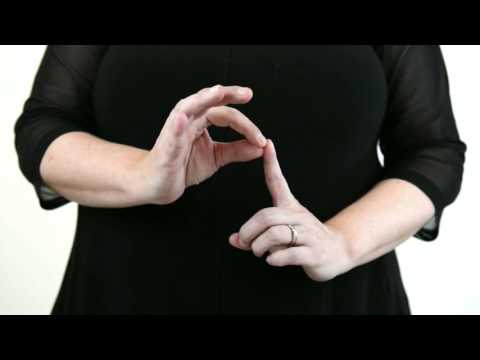
- Start by positioning your dominant hand in a flat handshape.
- Place your hand in front of your chest, palm facing towards you.
- Move your hand outward slightly, away from your body, while maintaining the flat handshape.
- While doing this, keep a neutral facial expression, indicating that you are presenting something important.
- End the movement with your hand a little further from your body, showing the concept of letters being distinct and separate.
Common Mistakes
- Some learners may confuse the sign for “Auslan Letters” with other signs that use a similar handshape but have different meanings.
- Omitting the outward movement can lead to misunderstanding, as it is essential for conveying the concept of letters.
- Using an incorrect facial expression, such as looking confused or distracted, might detract from the clarity of the sign.
Related Signs
- #Auslan Latest – Discusses the latest updates in Auslan.
- – Hello How Are You – A common greeting in Auslan.
- 0 In Auslan – The sign for the number zero.
- 1 – The sign representing the number one.
- 10 – The sign for the number ten.
Using “Auslan Letters” in Everyday Conversations
The sign “Auslan Letters” is often used in everyday conversations, particularly when discussing names, acronyms, or specific terms that require spelling out. Here are a few example sentences that demonstrate its use:
- When introducing yourself: MY NAME (Auslan Letters) to spell out your name.
- When talking about a location: WHERE IS (Auslan Letters) MELBOURNE? to clarify the spelling of the city.
- When discussing an organization: JOIN (Auslan Letters) NGO NAME. to refer to a specific non-governmental organization.
These situations naturally arise in casual conversations, during introductions, or when sharing information that requires clarity. It helps ensure everyone understands, especially when communicating with individuals who may not be familiar with certain names or terms.
Cultural Notes
In the Australian Deaf community, the use of “Auslan Letters” carries significant cultural weight. It is a bridge that connects the visual language of Auslan with the written forms of English, allowing for seamless communication across different contexts. The emphasis on fingerspelling reflects the community’s resilience and adaptability in a predominantly hearing world.
While Auslan is generally consistent across the country, some regional variations exist. For instance, Northern and Southern dialects may have slight differences in the speed and style of fingerspelling. However, “Auslan Letters” remains a fundamental aspect understood universally, promoting inclusivity and understanding among Deaf Australians.
Tips for Learning This Sign
Practicing and mastering the sign “Auslan Letters” can be both fun and rewarding. Here are some effective strategies to help you learn:
- Mirror Practice: Use a mirror to observe your hand shapes and movements. This will help you ensure that your fingerspelling is clear and accurate.
- Focus on Non-Manual Features: Pay attention to facial expressions and body language while signing. These non-manual features can enhance the meaning of your communication and make it more engaging.
- Incorporate into Sentences: Create short sentences that require you to use “Auslan Letters.” For example, practice spelling out your friends’ names or favorite places as you sign about them.
By integrating these practices into your learning routine, you’ll become more comfortable with “Auslan Letters” and improve your overall Auslan skills.
Frequently Asked Questions
How can I use “Auslan Letters” in a sentence?
You might say, “I am learning Auslan letters to improve my communication with the Deaf community.”
Are there regional variations for this sign?
While the sign is generally consistent, some regions may have slight variations in handshape or movement.
What are some signs similar to “Auslan Letters”?
Signs related to the alphabet, such as “A,” “B,” and “C,” share similar movements and handshapes.
How does “Auslan Letters” compare to BSL?
While BSL (British Sign Language) has its own alphabet, the concept of signing letters is similar, though the signs themselves differ.
What are some teaching tips for “Auslan Letters”?
Practice with visual aids and repetition can help reinforce the signs. Encourage learners to use their hands and facial expressions for clarity.
Practice ASL Signs
Use your camera to practice signs and get real-time AI feedback on your technique.
Free · No signup required