
Auslan Interpreter Tasmania in Australian Sign Language (Auslan)
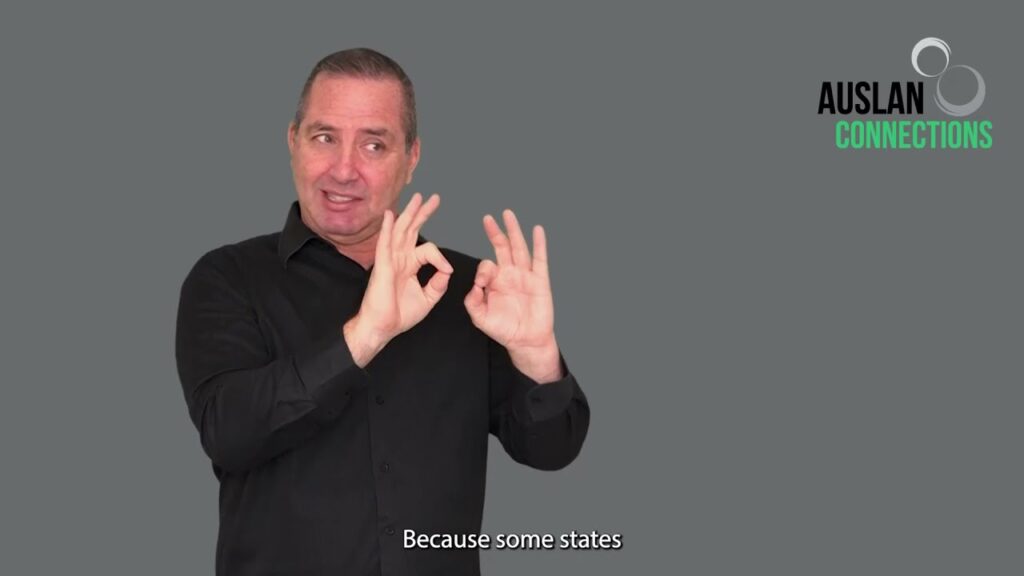
The sign for “Auslan Interpreter Tasmania” refers to a person who translates spoken language into Auslan (Australian Sign Language) in the region of Tasmania. This sign is commonly used in contexts where communication access is needed for Deaf individuals, such as in educational settings, community events, or public services. Understanding this sign is vital for fostering inclusive environments.
Table of Contents
How to Sign “Auslan Interpreter Tasmania”
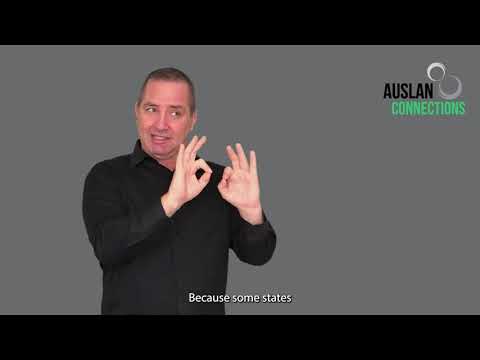
- Start with your dominant hand in the shape of the letter “A”. Position it near your chin.
- Move your hand slightly away from your face and then bring it back towards your chin, as if indicating a person speaking.
- Next, use your non-dominant hand to form the letter “T” by placing your thumb across your fingers.
- Hold the “T” handshape up in front of you, maintaining a neutral facial expression.
- Finally, shift your dominant “A” hand to the side while keeping the “T” in place to indicate the region of Tasmania.
Common Mistakes
- Forgetting to maintain a neutral facial expression, which is crucial for conveying the meaning of the sign.
- Incorrectly forming the handshapes, particularly the “A” and “T”, which can lead to confusion.
- Omitting the movement that indicates speaking, making the sign less clear.
Related Signs
- (Auslan): The sign for Australian Sign Language.
- 1: The sign for the number one.
- 10: The sign for the number ten.
- 100: The sign for the number one hundred.
- 12: The sign for the number twelve.
Using “Auslan Interpreter Tasmania” in Everyday Conversations
In everyday conversations, using the sign “Auslan Interpreter Tasmania” can help clarify communication needs or highlight the importance of access to interpreting services. Here are a few example sentences where this sign fits naturally:
- “I need an Auslan Interpreter Tasmania for my doctor’s appointment.”
- “Can you book an Auslan Interpreter Tasmania for the meeting next week?”
- “Auslan Interpreter Tasmania will help us understand the presentation better.”
These situations often arise in settings like medical appointments, work meetings, or community events where effective communication is crucial. By using this sign, you can ensure that everyone understands the need for interpreting services.
Cultural Notes
The sign “Auslan Interpreter Tasmania” is significant within the Australian Deaf community, representing not just the act of interpretation but also the importance of access and inclusion. In Tasmania, where Deaf community members may face unique challenges due to the island’s geography, having qualified interpreters is vital for effective communication in both personal and professional contexts.
Additionally, while Auslan is a national language, there can be slight variations in signs or dialects between northern and southern regions of Australia. It’s beneficial to be aware of these differences when interacting with Deaf individuals from various locations, as they may have their own preferences for certain signs or expressions.
Tips for Learning This Sign
Practicing the sign “Auslan Interpreter Tasmania” can be both fun and effective with some targeted strategies:
- Mirror Practice: Use a mirror to watch your signing. This helps you see your own hand shapes and movements clearly, ensuring accuracy.
- Watch for Non-Manual Features: Pay attention to facial expressions and body language when signing. These non-manual features convey important meanings and emotions that complement the sign.
- Incorporate in Short Signed Sentences: Create simple phrases using the sign in context. For example, practice saying, “I need an Auslan Interpreter Tasmania” while signing. This reinforces your memory and helps you feel more comfortable using it in real conversations.
Regular practice and engagement with the Deaf community will also enhance your confidence and understanding of the sign and its cultural significance.
Frequently Asked Questions
How can I use this sign in a sentence?
You might say, “I need an Auslan interpreter Tasmania for the event.” This helps clarify your need for communication support.
Are there regional variations of this sign?
Yes, signs can vary by region. It’s helpful to learn local variations, especially within Australia.
What are some similar signs?
Similar signs include those for “interpreter” and “Auslan”, which can help in understanding the context.
How does this compare to BSL?
BSL (British Sign Language) has distinct signs and grammar, so while the concept is similar, the signs may differ significantly.
What tips do you have for teaching this sign?
Practice with visual aids and encourage students to use the sign in context, such as role-playing scenarios.
Practice This Sign
Try signing Auslan Interpreter Tasmania with your camera and get AI coaching on your handshape, movement, and location.
Free · No signup required