
Steam in Sign Language (ASL)
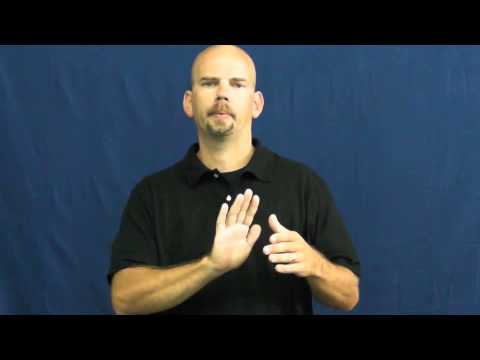
The sign for Steam represents the vapor that rises from hot substances, commonly associated with boiling water or cooking. It can be used in various contexts, from discussing cooking methods to describing weather conditions. The sign is visually dynamic, resembling the movement of steam rising into the air.
[VIDEO_PLACEHOLDER]
Table of Contents
Forming the sign
- Handshape: Use an open hand with fingers extended, commonly referred to as a “flat hand” or “5-hand.” Keep your fingers together and slightly spread apart.
- Location: Position your hand in front of your face or chest level. This location symbolizes the area where the steam is released.
- Movement: Move your hand upward and slightly away from your body, simulating the upward motion of steam escaping. Make sure to maintain the flat handshape throughout the movement.
- Non-manual signals: Use facial expressions to enhance the concept. A look of warmth or contentment can indicate the pleasantness of steam, while a frown could suggest discomfort from hot steam.
When performing the sign, keep your movements smooth and fluid, as this mimics the natural rise of steam. Practicing in front of a mirror can help refine both handshape and movement, ensuring clarity in communication.
Using “Steam” in sentences
In everyday conversation, “Steam” can be integrated into various sentences to convey different meanings. For example:
- “I like to cook vegetables with steam.”
- “The steam from the hot soup filled the kitchen.”
- “Be careful of the steam; it’s very hot!”
These examples illustrate how “Steam” can be used to describe cooking methods, sensory experiences, or safety warnings. The versatility of the sign makes it applicable in numerous scenarios.
Signs related to “Steam”
There are several signs that are related to “Steam” and can enhance your vocabulary:
- Heat – The sensation or temperature that steam can produce.
- Cook – The act of preparing food, often involving steam.
- Water – The liquid that, when heated, creates steam.
- Boil – The process that produces steam from water.
- Cloud – A related concept that involves the condensation of steam into visible forms.
Common confusion with a similar sign
Some learners may confuse the sign for “Steam” with the sign for “Fog.” While both involve the concept of vapor, “Fog” is typically signed with a more spread-out handshape and a downward motion to suggest the thick, low-lying nature of fog. Understanding the distinct movements and handshapes can help prevent misunderstandings in conversation.
FAQ
What is the significance of using facial expressions with the sign?
Facial expressions add emotional context to the sign, helping convey feelings associated with steam, such as warmth or caution.
Can “Steam” be used in non-cooking contexts?
Yes, “Steam” can refer to steam in various situations, such as expressing humidity or even metaphorically in discussions about pressure and stress.
Is there a specific regional variation of the sign?
While the sign for “Steam” is generally consistent, some regions may have slight variations in the movement or handshape. It’s always good to learn from local Deaf communities.
How do I practice the sign to improve clarity?
Practicing in front of a mirror, recording yourself, and asking for feedback from fluent signers can greatly improve your clarity and confidence.
Practice ASL Signs
Use your camera to practice signs and get real-time AI feedback on your technique.
Free · No signup required