
Boil in Sign Language (ASL)
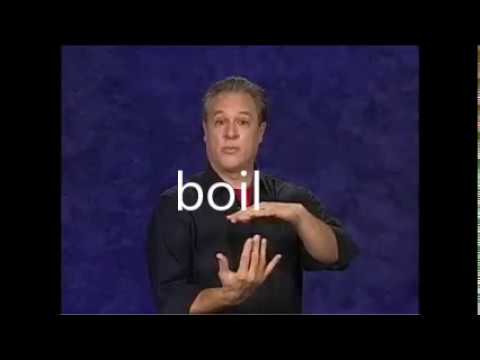
Boil is a commonly used sign that describes the action of heating a liquid until it reaches its boiling point, producing bubbles and steam. It’s often used in cooking contexts or when discussing various processes involving liquids. Understanding how to sign boil can enhance conversations about food preparation and cooking techniques.
[VIDEO_PLACEHOLDER]
Table of Contents
Forming the sign
- Handshape: The sign for boil uses the dominant hand in the “B” handshape. This handshape is made by holding the fingers together and extending the thumb outward, resembling a flat surface.
- Location: The sign is typically made near the torso, around the chest level, to indicate the area where the boiling pot or container would be.
- Movement: To perform the sign, start with the “B” handshape and then move your hand in a circular motion as if stirring the liquid. This movement creates the visual effect of boiling water.
- Non-manual signals: While performing the sign, your facial expressions can enhance the meaning. For instance, a slight grimace or a look of concentration can emphasize the intensity of boiling.
The combination of these elements effectively conveys the action of boiling, making it clear to your signing partner what you are referring to in the context of cooking or chemistry.
Showing tense, aspect & repetition
In ASL, the sign boil can be modified to convey different tenses or aspects. For example:
- Present tense: Use a steady circular movement to indicate something is currently boiling.
- Past tense: To show that something was boiled, perform the sign with a backward motion or a quick flick away from you, as if indicating the past.
- Future tense: To signify that something will boil, you can perform the sign and then move your hand away from the body, suggesting an action that is yet to occur.
- Repetition: To emphasize the boiling process, repeat the circular motion several times to indicate that it has been boiling for an extended period.
These modifications help clarify the timing of the action, enhancing communication about cooking processes.
“Boil” in everyday signing
In casual conversations, the sign boil can be used in various contexts. Here are some examples:
- When discussing dinner plans: “I’m going to boil pasta.”
- In cooking classes: “Make sure to watch the water as it starts to boil.”
- When sharing recipes: “After you chop the vegetables, boil them in water.”
Using boil in these contexts can help convey specific culinary actions clearly and effectively, making interactions more meaningful.
Common confusion with a similar sign
Sometimes learners confuse the sign for boil with the sign for cook. While both signs are related to food preparation, boiling specifically refers to heating a liquid to its boiling point, whereas cooking can encompass various methods, including frying, baking, and grilling. Being mindful of this distinction will help ensure clarity in conversations about food.
FAQ
What is the difference between boil and cook?
Boil specifically refers to heating a liquid until it bubbles and steams, while cook encompasses a variety of food preparation methods.
Can I use the sign for boil when discussing beverages?
Yes, you can use boil when talking about heating water for tea or coffee, as it accurately describes the process.
How do I indicate that something is boiling over?
You can modify the sign by using larger, more exaggerated movements and adding facial expressions to convey urgency.
Is there a sign for ‘boil’ in other contexts, like science?
Yes, the same sign can be used in scientific discussions, such as talking about boiling points in chemistry.
Practice ASL Signs
Use your camera to practice signs and get real-time AI feedback on your technique.
Free · No signup required