
Water in Sign Language (ASL)
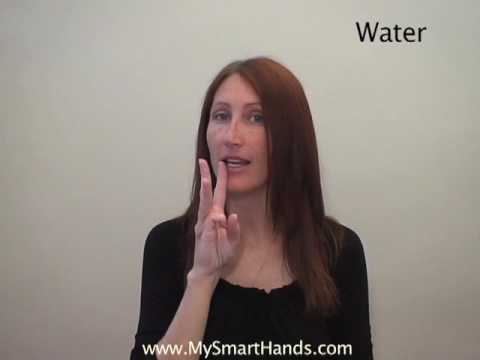
Water is an essential element in our daily lives, and in American Sign Language, it is represented by a specific sign that is widely recognized within the Deaf community. This sign is used not only to refer to the liquid itself but also in various contexts, such as discussing hydration, swimming, and enjoying beverages. Understanding how to properly sign “Water” can facilitate better communication in both casual and formal settings.
[VIDEO_PLACEHOLDER]
Table of Contents
Forming the sign
- Handshape: The dominant hand is shaped into a ‘W’ handshape, where the thumb and pinky are extended while the index and middle fingers are bent down towards the palm.
- Location: Position the ‘W’ handshape at chin level, close to the mouth.
- Movement: Make a fluid motion by bending the wrist slightly as you move the hand forward and down from the chin. This creates a gentle wave-like motion that mimics the flow of water.
- Non-manual signals: Incorporate facial expressions that convey hydration or thirst. For example, raising your eyebrows can add emphasis to the concept of water or indicate a question about availability.
The sign “Water” effectively combines both handshape and movement to visually represent the concept. By using the ‘W’ handshape and moving it from the chin, the sign can evoke a sense of both the source of water and the action of drinking, making it visually meaningful and contextually relevant.
Using “Water” in sentences
Incorporating “Water” into sentences can enhance both clarity and engagement in conversation. For example:
- “I need water.” – This can be signed by combining the sign for “I” (using your index finger to point to yourself) followed by “need” (which can be signed with both hands in a claw shape moving towards yourself) and finishing with “Water”.
- “Do you want water?” – This can involve signing “you” (pointing to the person) and then using the sign for “want” before finishing with “Water”.
- “The water is cold.” – You can sign “water” followed by the sign for “cold” (which is done by shivering your hands). This illustrates the temperature and adds context to the conversation.
Using “Water” in these sentences shows its versatility in different contexts and situations, making it a crucial sign for everyday conversations.
Signs related to “Water”
- Thirsty – This sign expresses the need or desire for water.
- Drink – This is used to refer to the action of consuming water or other liquids.
- Swim – This relates to water activities and can be used in discussions about swimming.
- River – This sign represents a body of water and can be used in geographical discussions.
Common confusion with a similar sign
One common mistake when learning the sign for “Water” is confusing it with the sign for “Wet.” While both signs have similar hand movements and locations, the handshape for “Wet” typically uses a flat hand with palm facing down. Understanding the context in which you are using each sign can help prevent this confusion. Practice distinguishing between the two by focusing on the different handshapes and the expressions associated with each sign.
FAQ
What is the importance of the sign “Water” in ASL?
The sign “Water” is vital in ASL as it allows for clear communication regarding hydration, which is a fundamental part of daily life. It can also facilitate discussions about activities related to water, like swimming, fishing, or cooking.
Can “Water” be used in idiomatic expressions?
Yes, “Water” can be incorporated into idiomatic expressions in ASL, such as “Water under the bridge,” which conveys the idea of letting go of past issues.
Is there a different sign for “Water” in other variations of sign language?
Yes, while “Water” has a specific sign in ASL, other sign languages might have different signs for the same concept, reflecting their unique linguistic structures.
How can I practice the sign “Water” effectively?
To practice the sign “Water,” try incorporating it into daily conversations, use it in sentences, and practice with a partner to enhance fluidity and confidence.
Practice ASL Signs
Use your camera to practice signs and get real-time AI feedback on your technique.
Free · No signup required