
Wish in Sign Language (ASL)
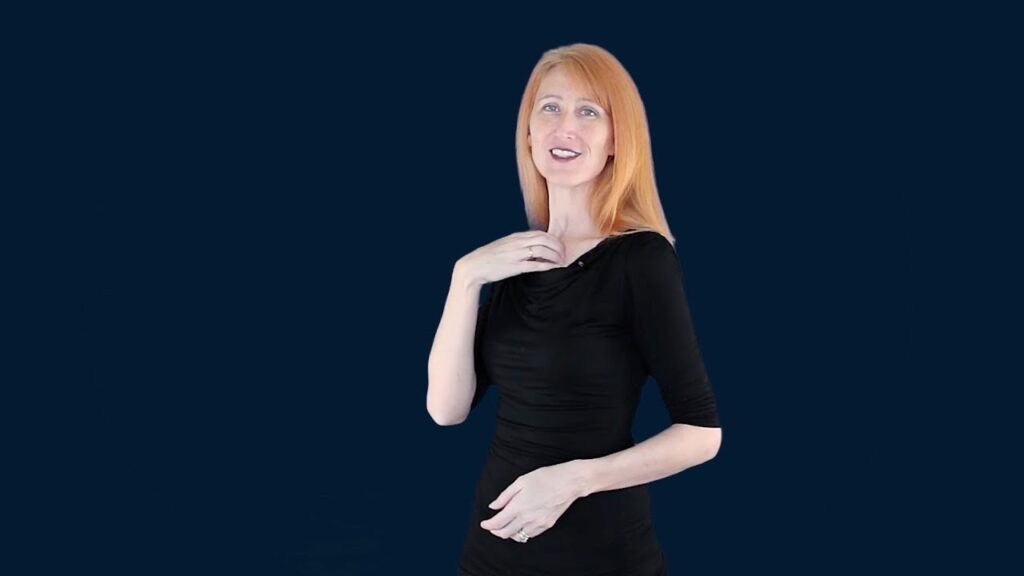
The sign “Wish” expresses a desire or hope for something that one wants to happen or achieve. It can convey longing for an event, object, or outcome, and is commonly used in conversations about dreams, aspirations, or things one regrets not having. Understanding how to sign “Wish” can enhance your communication about aspirations and desires.
[VIDEO_PLACEHOLDER]
Table of Contents
How to form the sign “Wish”
- Handshape: Start with your dominant hand in a flat “B” handshape, where your fingers are extended and together while your thumb is extended outward.
- Location: Place your hand near your chest, approximately at heart level.
- Movement: Gently move your hand outward away from your body, as if you are releasing your wish into the air.
- Non-manual signals: Accompany the sign with a facial expression that reflects your yearning or hopefulness. This could include raising your eyebrows slightly or adopting a wistful look.
To emphasize the emotion behind the wish, consider varying your facial expressions. A strong desire might warrant a more pronounced expression compared to a casual wish.
Using “Wish” in everyday signing
In everyday conversation, “Wish” can be integrated seamlessly into sentences. For example, you might say, “I wish I could travel more,” which can be signed as “I WISH I travel MORE.” This structure emphasizes the desire for more travel experiences. Another example could be, “She wishes for a new car,” which can be signed as “SHE WISH car NEW.” By placing the sign in the context of your sentence, you enhance clarity and convey the sentiment more effectively.
Signs related to “Wish”
There are several related signs that can further enrich your signing vocabulary:
- Dream – Refers to aspirations or visions one has while asleep.
- Hope – Conveys a sense of optimism or desire for a positive outcome.
- Desire – Expresses a strong feeling of wanting something.
- Longing – Reflects a deep yearning for something that is absent.
- Regret – Indicates a wish that something had happened differently.
Common mistakes to avoid
Many learners of ASL may confuse “Wish” with signs that indicate general desires or preferences. One common mistake is signing “Wish” without the appropriate facial expressions, which can lead to a lack of emotional clarity. Another error is neglecting to use the correct handshape and movement; using a fist instead of a flat hand can change the meaning significantly. Practice in front of a mirror or with a Deaf friend can help you get feedback on your signing.
Deaf cultural note
Wishes are not just personal aspirations; they can also reflect cultural hopes within the Deaf community. Signing “Wish” can be a way of expressing desires for greater awareness, accessibility, and equality for Deaf individuals. Many in the community passionately wish for the continued growth of ASL in educational settings and the recognition of Deaf culture in mainstream society. Understanding the depth of this sign can provide insight into these broader cultural aspirations.
FAQ
What is the difference between “Wish” and “Hope”?
While both signs express desires, “Wish” often implies a longing for something unlikely to happen, whereas “Hope” conveys a more optimistic perspective on future possibilities.
Can “Wish” be used in different contexts?
Yes, “Wish” can be adapted for various situations, from expressing personal aspirations to reflecting on things one regrets or desires for others.
How can I improve my signing of “Wish”?
Practice regularly with a partner or in front of a mirror, paying attention to your handshape and facial expressions to convey the right emotion.
Are there regional variations of the sign “Wish”?
Some regions might have slight variations in movement or emphasis, so it’s beneficial to learn from local Deaf communities and observe native signers.
Can “Wish” be used in storytelling?
Absolutely! “Wish” can be a powerful tool in storytelling to express characters’ desires, making narratives more engaging and relatable.
Practice ASL Signs
Use your camera to practice signs and get real-time AI feedback on your technique.
Free · No signup required