
Read in Sign Language (ASL)
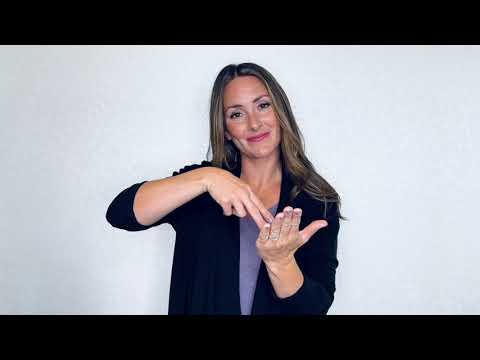
The sign “Read” represents the action of interpreting written text. It is commonly used when discussing reading books, articles, or any written material. This sign plays a significant role in conversations about literacy, education, and various forms of media.
[VIDEO_PLACEHOLDER]
Table of Contents
How to form the sign “Read”
- Handshape: Use your dominant hand in a flat ‘B’ handshape. The fingers are extended and together, while the palm faces downward.
- Location: Position your dominant hand in front of your face, at about eye level. This placement represents where you would typically hold a book or paper while reading.
- Movement: With your palm facing downward, move your hand slightly away from your face and then back toward your face, mimicking the action of turning the pages of a book or scanning text.
- Non-manual signals: You can enhance your sign by incorporating facial expressions that reflect concentration or engagement, such as raising your eyebrows slightly or maintaining a focused gaze.
When performing the sign “Read,” it is important to maintain a fluid motion to convey the act of reading. The sign mimics the dynamic and engaging nature of the activity itself.
Using “Read” in everyday signing
In everyday conversations, “Read” can be used in various contexts. For instance, you might say, “I read a great book last night,” or “Did you read the article in the newspaper?” The flexibility in usage allows for a wide range of discussions related to literature, information, and education.
Additionally, “Read” can combine with other signs to form more complex sentences, such as “I love to read,” or “She reads books every day.” This versatility strengthens communication among Deaf individuals and enriches their discussions about reading and literature.
Signs related to “Read”
To enhance your vocabulary around the concept of reading, here are some related signs:
- Book – Represents a physical book that one might read.
- Write – The action of creating text, often paired with reading.
- Study – Focuses on deeper learning, often involving reading materials.
- Learn – The broader concept of acquiring knowledge, which includes reading.
Common mistakes to avoid when signing “Read”
When signing “Read,” some common mistakes include using the wrong handshape or forgetting to incorporate movement. Ensure that your dominant hand remains in the ‘B’ shape and that you follow through with a clear motion that reflects the act of scanning text.
Another mistake to watch for is the facial expression. Your face should reflect engagement and focus, as this adds context to the action of reading. A flat or disengaged expression can lead to misunderstandings about whether you are discussing reading or simply mentioning the word itself.
Deaf cultural note
In Deaf culture, literacy is highly valued, and reading is often celebrated as a means of accessing information and storytelling. Many Deaf individuals advocate for accessible literature and resources to ensure that reading materials are available in various formats, including visual and signed representations. Being part of a community that champions literacy can enhance understanding and support for the importance of reading within Deaf culture.
Frequently Asked Questions
What is the sign for “Read” in ASL?
The sign for “Read” is made by using your dominant hand in a flat ‘B’ shape, moving it slightly away and then back toward your face.
Can “Read” be used for different types of reading?
Yes, “Read” can refer to various types of reading, such as reading a book, an article, or even captions on a video.
How can I practice the sign “Read”?
Practice the sign by incorporating it in sentences about what you or others have read recently, and focus on fluid movement and facial expressions.
What are some common phrases that include “Read”?
Phrases like “I want to read,” “Have you read this?” or “She reads every night” are great ways to use the sign in context.
Practice ASL Signs
Use your camera to practice signs and get real-time AI feedback on your technique.
Free · No signup required