
Book in Sign Language (ASL)
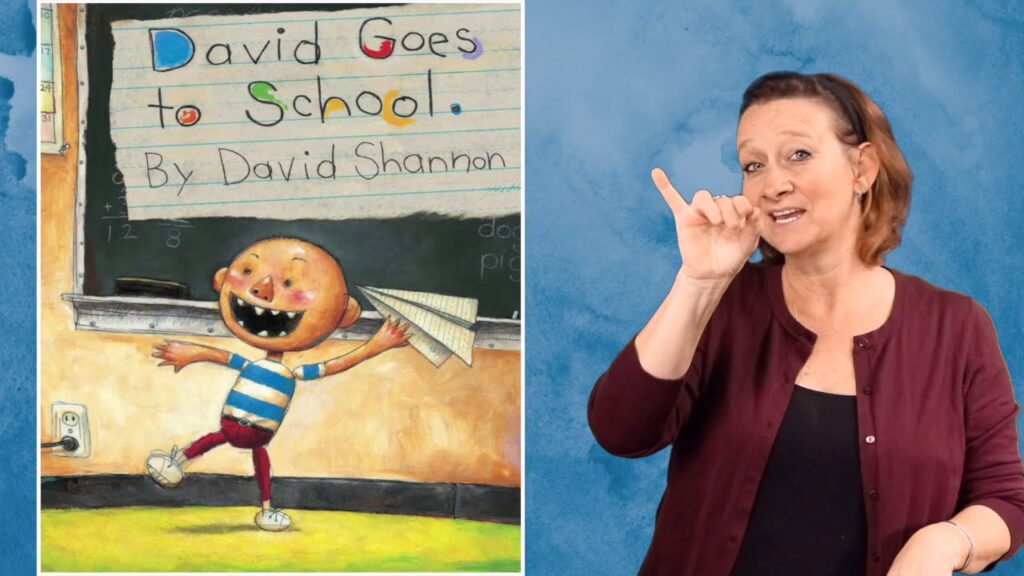
In American Sign Language, the sign “Book” represents the common noun for a collection of written pages bound together. It is used frequently when discussing reading materials, literature, or anything related to books in general. This sign is essential for engaging in conversations about education, hobbies, and storytelling.
[VIDEO_PLACEHOLDER]
Table of Contents
Forming the sign
- Handshape: Use both hands in a flat “B” shape, with fingers extended and together and the thumb resting against the side of the fingers.
- Location: Position your hands in front of your chest, approximately shoulder-width apart.
- Movement: Bring the hands together slightly, as if you are closing a book, then reopen them to return to the original position.
- Non-manual signals: You can accompany this sign with a slight nod or an inquisitive facial expression to emphasize interest in the book being discussed.
The “Book” sign is visually representative of the action of opening and closing a book, making it intuitive for learners. This iconic depiction can help in enhancing memory retention when practicing and using the sign in conversations.
Using “Book” in sentences
The sign “Book” can be integrated into various sentences in ASL. For example, you might sign, “I like to read a book,” which conveys a preference for reading. Another example could be “This book is interesting,” where you share your opinion about a specific book. By placing emphasis on the sign while maintaining eye contact, you can further engage your conversation partner and express enthusiasm about the topic.
Signs related to “Book”
Here are a few related signs that you might find useful:
- Read – The action of looking at and comprehending the content of a book.
- Library – A place where books are stored and available for borrowing.
- Story – A narrative that can be found in books or told orally.
- Bookstore – A retail establishment where books are sold.
- Page – A single sheet within a book that contains text or images.
Regional variation
Interestingly, the sign for “Book” may have slight regional variations in different areas. In some regions, the movement may be more pronounced or include additional gestures, while in others, the sign remains more subtle. It’s beneficial to interact with various Deaf communities to learn these differences and adapt your signing accordingly.
Common confusion with a similar sign
Many learners confuse “Book” with the sign for “Magazine.” While both involve similar handshapes, the movement differs slightly. When signing “Magazine,” the hands may be brought together with a more fluid motion, resembling a flipping action. Practicing these distinctions will help clarify your signing and reduce misunderstandings in conversations.
FAQ
What is the difference between “Book” and “Read”?
“Book” refers to the physical object, while “Read” describes the action of engaging with that object. Understanding this difference helps in forming clear sentences.
Can I use “Book” to refer to e-books?
Yes, “Book” can also refer to digital books. Context will clarify that you are discussing an electronic format rather than a physical one.
How can I remember the sign for “Book”?
Think of the action of opening and closing a book. Practice mimicking this action while saying the word “book” in your mind.
Is there a sign for “Book club”?
Yes, you can combine the signs for “Book” and “Group” together to indicate a book club. This shows that you are referring to a social gathering focused on reading.
What are some signs related to literature?
Related signs include “Author,” “Story,” and “Library.” Exploring these will enrich your vocabulary about books and reading.
Practice ASL Signs
Use your camera to practice signs and get real-time AI feedback on your technique.
Free · No signup required